Last updated November 18, 2026


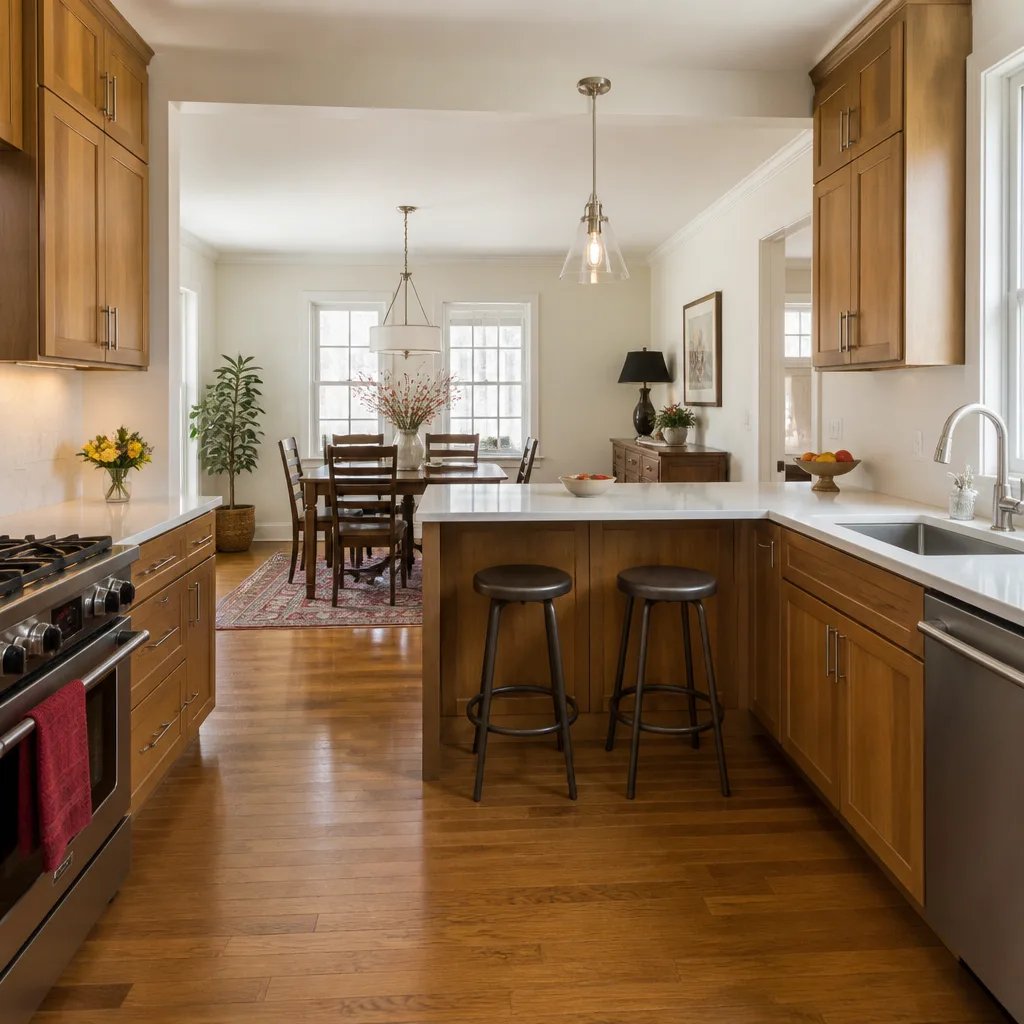

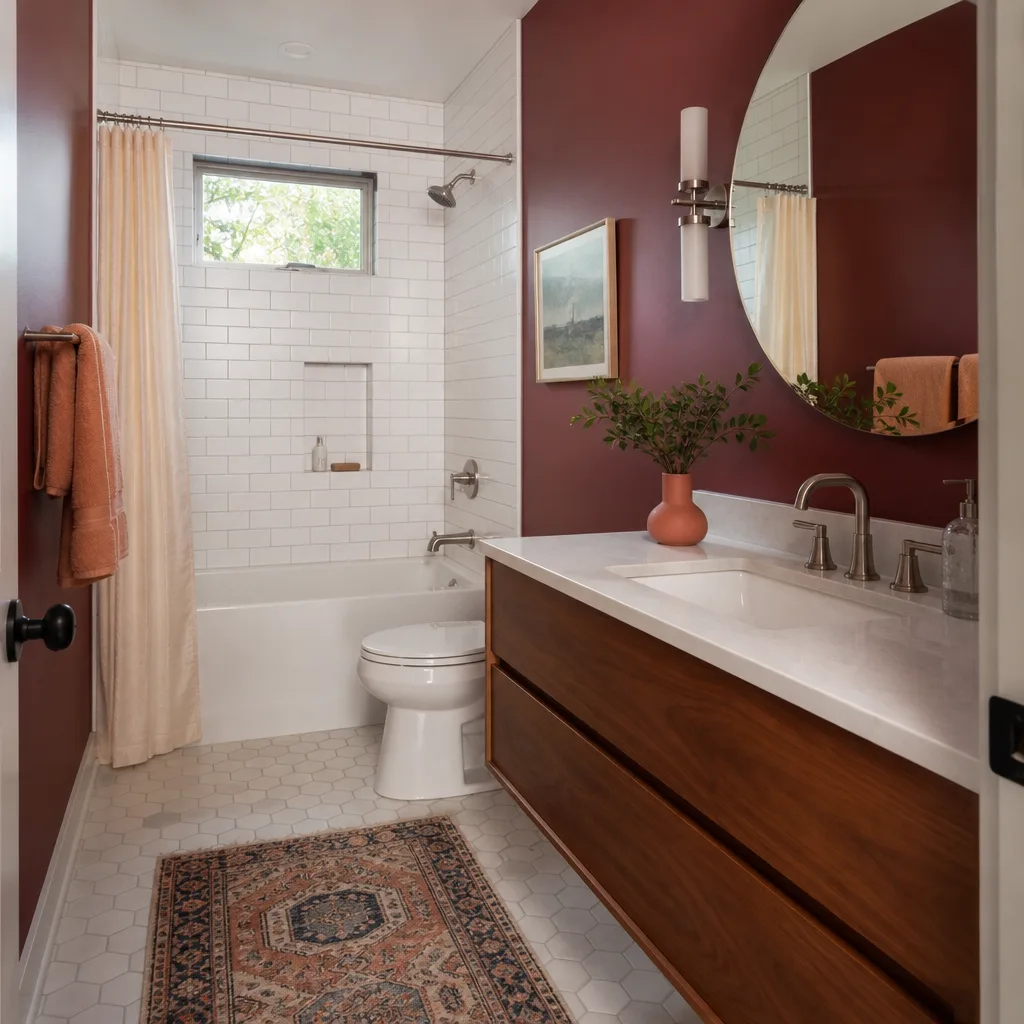

Free written scope consultation - allowances, timeline, and change-order rules on paper before a single trade is scheduled
DIY vs Professional Kitchen Remodeling: What’s Safe to Do Yourself
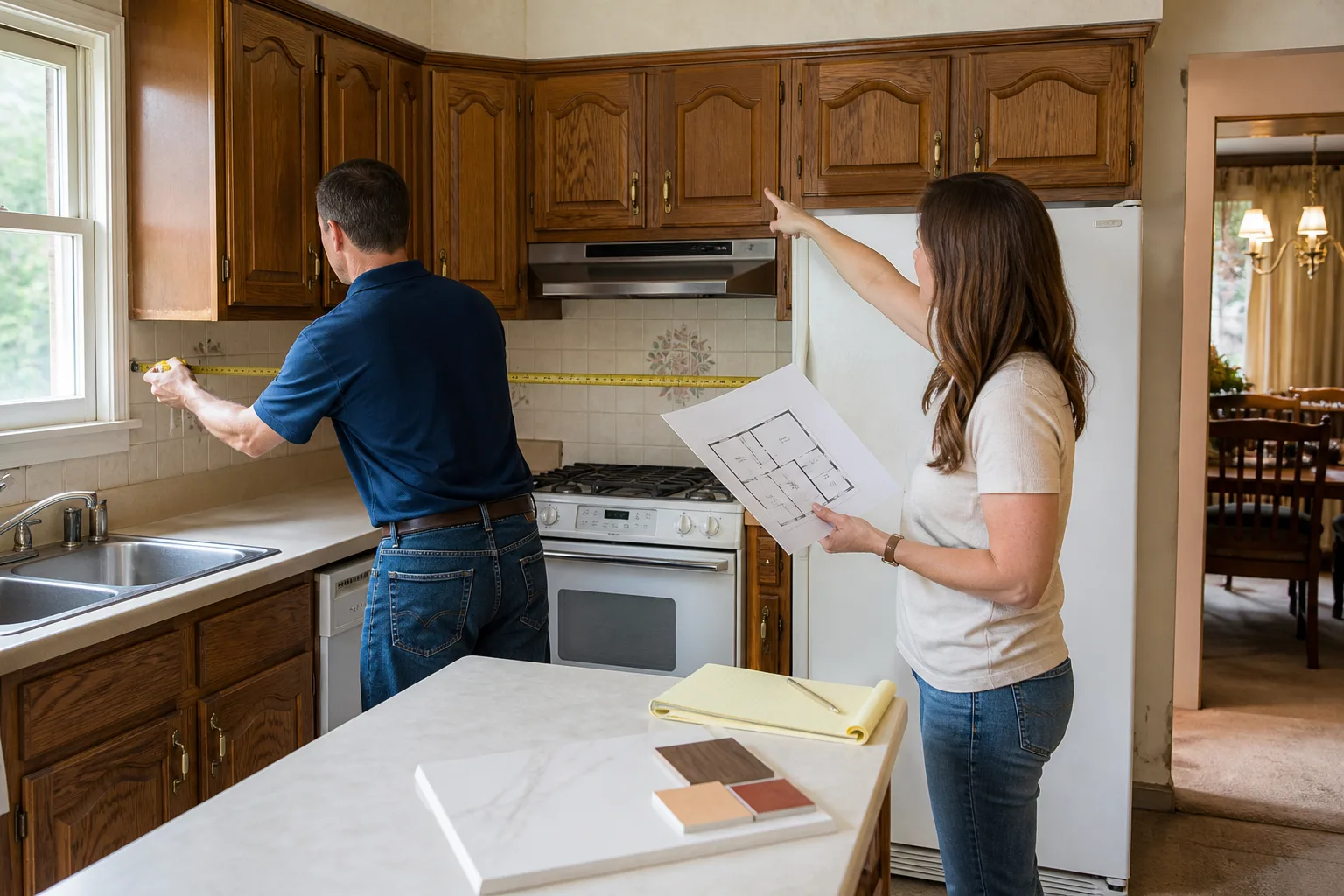
Painting your own cabinets won’t void your permit or fail an inspection. Rerouting a gas line to move your range will, legally, require a licensed plumber and a city inspection in Texas, and the homeowner who skips that step owns the liability personally, not the contractor they hired. That split is the whole conversation. Most DIY-versus-pro guides frame this as a question of skill or confidence. It isn’t. It’s about which tasks carry hidden downstream costs when they go wrong, and that list is shorter and more specific than most contractors want you to know. In a Frisco kitchen, the line runs through permits, plumbing, gas, and structural work. Everything on the other side of it is fair game for a careful homeowner with a weekend and a steady hand.
Quick Answer
Safe DIY kitchen work in Texas means anything that doesn’t require a permit and won’t damage the finished surfaces around it: painting, swapping a faucet, installing a new light fixture on existing wiring, cabinet hardware, backsplash tile, and demolition you’ve cleared with your contractor. Work that legally needs a licensed trade and a city inspection includes new or moved electrical circuits, gas line changes, plumbing rough-in or relocation, and any wall removal or structural change. Everything between those two poles is where the real judgment calls live.
Styles & brands we work with
- Kitchen remodeling
- Bathroom remodeling
- Home additions & ADU
- Roofing
- Windows & doors
- Driveway & pavers
- Fence
Table of Contents
- Where the Texas Permit Line Actually Falls
- What’s Genuinely Safe to Do Yourself
- The High-Regret DIY Tasks
- How DIY Work Affects a Contractor’s Scope and Guarantee
- The Honest Labor-Cost Math
- A Three-Question Decision Framework
- Frisco-Specific Conditions That Change the Answer
- Common Mistakes to Avoid
Where the Texas Permit Line Actually Falls
Texas doesn’t license general contractors statewide, but individual cities set their own permit and inspection rules, and Frisco enforces its building codes through the city’s permitting process. That means the answer to “can I do this myself” depends on whether the work triggers a permit. If it does, the work needs a licensed trade and an inspection, and a homeowner pulling a permit for gas or electrical work they aren’t licensed to perform is asking for trouble at resale and at insurance time.
Here’s the practical split we see on Frisco jobs:
- Permit and licensed trade required: moving or adding electrical circuits, relocating or extending gas lines, plumbing rough-in, moving a sink or range to a new wall, removing or adding a load-bearing wall, new window or door openings in an exterior wall.
- Usually no permit, homeowner-legal: painting cabinets and walls, replacing a faucet or a supply line at the existing location, swapping a light fixture on existing wiring (power off at the breaker), cabinet hardware, backsplash tile on prepared substrate, installing a new dishwasher in an existing slot for an existing circuit.
- Grey zone, ask the city: cosmetic changes to an existing non-load-bearing partition, relocation of a freestanding appliance within the same outlet and gas stub, adding an island in a large kitchen with a floor outlet already present.
The grey zone is where homeowners get burned most often, because the honest answer is “call the city and ask,” not “it’s probably fine.” If you want the work done through a contractor who plans the permit scope up front, our general contractor in Frisco page walks through how we sequence permits on a kitchen job.
What’s Genuinely Safe to Do Yourself
Painting cabinets is the highest-value homeowner task in a kitchen remodel, and it’s the one most people get wrong in ways that cost them more than they saved. Prep is 80% of the work. A proper cabinet paint job means degreasing every surface, sanding to a consistent scratch, and priming with a bonding primer that actually holds on the finish coat underneath, especially on the thermofoil and factory-finished cabinets common in Frisco homes built in the last fifteen years. Skipping that step is why you see peeling paint at the door edges eighteen months later.
Other tasks that belong in the homeowner column:
- Cabinet hardware. One jig, one drill, one afternoon. Line up your pulls with a paper template and you’re done.
- Faucet replacement. Same location, same supply lines, one basin wrench. A licensed plumber only enters the picture when you move the sink or add a line.
- Light fixture swaps. Kill the breaker, verify the wire is dead with a tester, match the box rating to the fixture weight. That’s the whole job.
- Backsplash tile on prepared substrate. If the wall is flat and the substrate is already in place, tile setting is a skill but not a licensed trade. We’d argue it’s the task where DIY quality most obviously shows.
- Demolition you’ve coordinated. Pulling cabinets and loading a dumpster is real work, and skipping the coordination step is how a homeowner accidentally punches through a finished half-wall.
- Painting walls and trim after the crew leaves. Always last, always by the homeowner if they want the savings.
Every one of these has a real ceiling. A careful homeowner can do all of them well. A homeowner who has never held a caulk gun will make a mess out of a faucet swap.
The High-Regret DIY Tasks
The tasks that look feasible but create bigger problems later are the ones worth naming specifically. What we’ve seen across Frisco kitchens is a consistent list.
Tile over an inadequate substrate. Ceramic and porcelain tile need a movement-accommodating layer underneath, usually cement board or an uncoupling membrane over a proper subfloor. Homes in Frisco sit on expansive clay soils that shift seasonally, so a tile floor without that layer will crack along grout lines within the first few years. Tearing out a failed floor costs more than installing it correctly the first time.
Hanging upper cabinet boxes on out-of-plumb walls. A Frisco wall that’s only a half-inch out of plumb over eight feet means doors that won’t stay closed and a cabinet line that looks crooked. Pros shim and plane the wall first, or they use a French cleat system that accounts for the gap. A homeowner who screws boxes straight to studs gets the crooked result no door adjustment can fix.
Self-installed backsplash with the wrong adhesive. Premixed mastic over drywall in a wet zone behind the range is a recipe for mold growth and tile failure within a couple of years. It’s not dangerous. It’s just expensive to fix.
Electrical in wet areas. GFCIs, under-cabinet lighting, and dishwasher circuits are not the place for your first junction box. A homeowner can legally replace a fixture. Adding a circuit is not a homeowner task, and the downstream insurance conversation if something goes wrong is where it gets ugly.
Moving a gas range stub. This one carries real safety weight. Natural gas and propane work requires a licensed plumber in Frisco and every other Texas city we’ve worked in, and it requires a city inspection. Gas leaks don’t announce themselves. Do not attempt gas line work yourself.
How DIY Work Affects a Contractor’s Scope and Guarantee
Here’s the honest version of what a contractor can and can’t warrant when you hand them a partially DIY’d kitchen.
We can warrant our own work and the materials we sourced. We can’t warrant the tile you installed last summer over the subfloor you also installed, because we don’t know what’s underneath. When a job involves finishing work someone else started, the fair arrangement is a written scope that names the line – we take responsibility from this point forward, and the work before that point is on the homeowner. That’s not a cop-out. It’s how a written guarantee can actually mean something when it’s called.
What this looks like practically:
- We’ll inspect the substrate. If you installed the backer board, we check it before we set a tile on it. If it fails our check, we tell you and give you the price to correct it before we start.
- We’ll write the scope boundary into the contract. Not verbal. Written. “Penhallow warrants work from the trim-out stage forward” is the kind of sentence you want in a document.
- We won’t quietly warrant someone else’s work. If a cabinet hangs crooked because it was anchored to a wall that wasn’t shimmed, that’s not our installation – and a contractor who pretends otherwise is a contractor who will argue with you in month eleven.
The 365-Day Done Right Promise under the Kingswell Guarantee applies to what we install. If a hinge fails, a door warps on a cabinet we hung, or a countertop edge chips from a defect in the material we sourced, we come back and fix it at no charge within the 365-day window. That coverage is real and it’s in writing. It doesn’t extend to the tile you set yourself, and any contractor who tells you it does is telling you the guarantee is just marketing copy.
The Honest Labor-Cost Math
Kitchen remodel pricing in Frisco typically lands between $18,000 and $55,000 for a mid-range full kitchen, and labor is roughly 30% to 45% of that depending on scope. Cabinet installation alone adds $2,000 to $6,000 in labor; countertop fabrication and install runs $800 to $2,500 depending on material and edge profile. Tile setting runs $10 to $22 per square foot installed.*
Here’s what those percentages don’t account for when a homeowner tries to DIY them:
- Tool rental. Tile saws, cabinet jacks, and a decent random orbital sander run $150 to $400 in rental for a single project weekend.
- Material waste. Homeowners typically buy 15% to 25% more material than they need because they’re learning as they go. Pros buy 10% and have crates of tile trim in the truck.
- Time. A homeowner with a full-time job takes three to five weekends per task. The kitchen is unusable during that time, and if you’re eating out for a month, subtract that food cost from your savings.
- The redo. When DIY tile fails within a year, the cost of tearing it out and redoing properly nearly always exceeds the original labor bill.
*Those numbers are typical ranges for the Frisco market and will vary with kitchen size, material tier, and layout complexity. If you want a real number on your own kitchen, our kitchen remodeling in Frisco page explains what drives the price up or down.
A Three-Question Decision Framework
When you’re staring at a kitchen task and can’t decide whether to take it on, ask three questions in order.
- Does this work require a permit? If yes, a licensed trade is doing it and that’s the end of the conversation. Gas lines, electrical rough-in, plumbing rough-in, structural changes. Don’t argue with this one.
- Does a mistake here damage adjacent finished work? Backsplash tile failing over a countertop means you now have to protect the countertop to fix the tile. Cabinet installation that goes wrong means the door won’t meet the frame cleanly, and the fix is re-hanging the whole line. If the answer is yes, the labor savings rarely justify the risk.
- Can I undo it cleanly if it goes wrong? Painting is reversible (you sand and repaint). Cabinet hardware is reversible (a $2 wood filler fixes a hole in the wrong spot). A failed tile floor is not reversible. A cut plumbing line is not reversible. This is the cleanest single filter, and if you only use one, use this one.
If a task passes all three, take the savings. If it fails any one of them, hand it to a professional. The math is usually closer than it feels.
Frisco-Specific Conditions That Change the Answer
Frisco’s soils and build-era housing stock matter more than most guides admit. Homes built before the mid-2000s, which is a meaningful share of the older neighborhoods on the west side, often have plumbing needing updates to make the kitchen safe for renovation – galvanized lines, older gas stubs, and cast iron drain lines feeding into a modern layout. That’s not a reason to avoid DIY painting, but it is a reason to bring a plumber in for an inspection before you start tearing out cabinets.
Frisco’s expansive clay soils move seasonally, and that movement shows up in kitchen tile and cabinet lines. A tile install with the wrong substrate will fail faster in Frisco than in a city with more stable ground. If you’re going to DIY tile, price the substrate in correctly the first time and don’t try to save $200 by skipping the cement board or uncoupling membrane.
Newer Frisco builds commonly use PEX plumbing and modern electrical with GFCI protection in the kitchen, which makes a faucet swap or a light fixture change much easier than in an older home. Cabinet finishes on those newer builds, though, are often factory thermofoil or a catalyzed polyurethane, and painting over them without the right primer is where the “I painted my own cabinets” story usually becomes “and then they peeled.”
If your scope has grown past a few DIY tasks and into a real remodel, the bathroom remodeling in Frisco side of the house will eventually need the same permit discipline you should be applying to the kitchen.
Common Mistakes to Avoid
- Starting demolition before the contractor has scoped the job. We’ve walked into Frisco kitchens where the homeowner pulled cabinets, then discovered the gas line was running through the wall they’d planned to remove. Now the whole schedule moves and the cost jumps. Get the scope written first.
- Painting cabinets without degreasing and priming. Kitchen grease sits on every door face, even ones that look clean, and paint will fail within months without a degrease and a bonding primer. This is the single most common DIY cabinet-paint failure we see.
- Hanging tile over drywall in a wet zone. Behind the range and the sink, that wall gets moisture. Cement board or an appropriate waterproofing layer is not optional, and it’s cheap.
- Cutting electricity off with a light switch. “I turned it off at the wall” is how people get shocked. Kill the breaker, verify with a tester, and don’t trust the switch.
- Moving a gas stub to save plumber money. A licensed plumber plus a city inspection for a gas stub move costs a few hundred dollars. A gas leak costs lives. There’s no version of this where DIY is the right call.
- Assuming a contractor will warrant work they didn’t do. Get the scope in writing before work starts. If a contractor won’t put the boundary in writing, that’s a contractor problem.
- Buying cheap cabinets and installing them yourselves to save the labor. We install KraftMaid and Wellborn cabinet lines, and both carry their own manufacturer warranty on materials alongside ours – but that warranty is tied to proper installation. A poorly hung box usually voids the door and hinge coverage.
When to Call a Professional
Call a licensed professional the moment your list includes gas work, electrical rough-in, plumbing relocation, or wall removal. Call when your DIY would land on finished surfaces that are expensive to redo (tile floors, countertops, cabinet layout). Call when you’re not sure whether a task needs a permit, because “I’m not sure” is the wrong answer to have in your head while you’re holding a saw. Call when the kitchen has been unusable for more than two weeks and you’re eating out every night – the food cost alone often eats the savings. Penhallow Remodeling Frisco offers free estimates in Frisco, and our technicians have up to 22 years of experience to help you draw the line clearly on your specific kitchen. Call (833) 954-5757 to schedule your free estimate.
See the difference
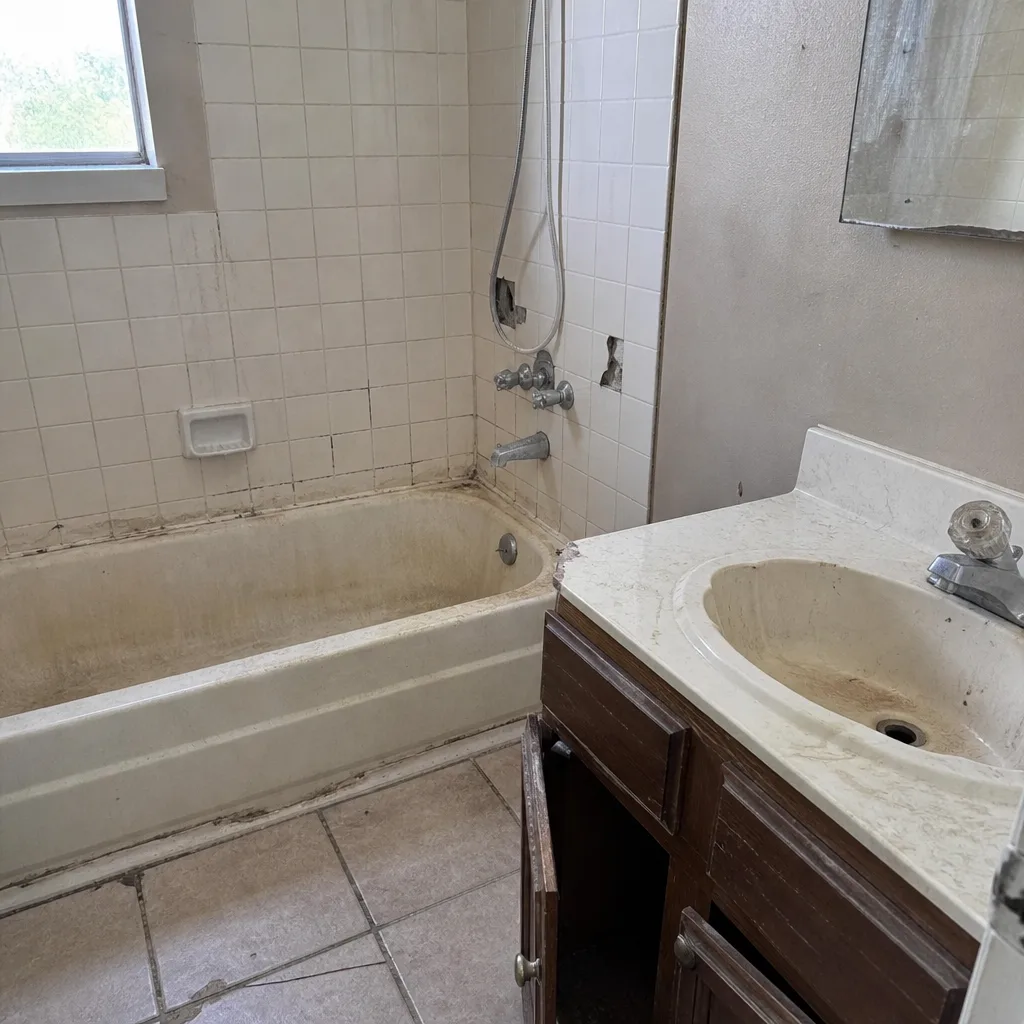 Before
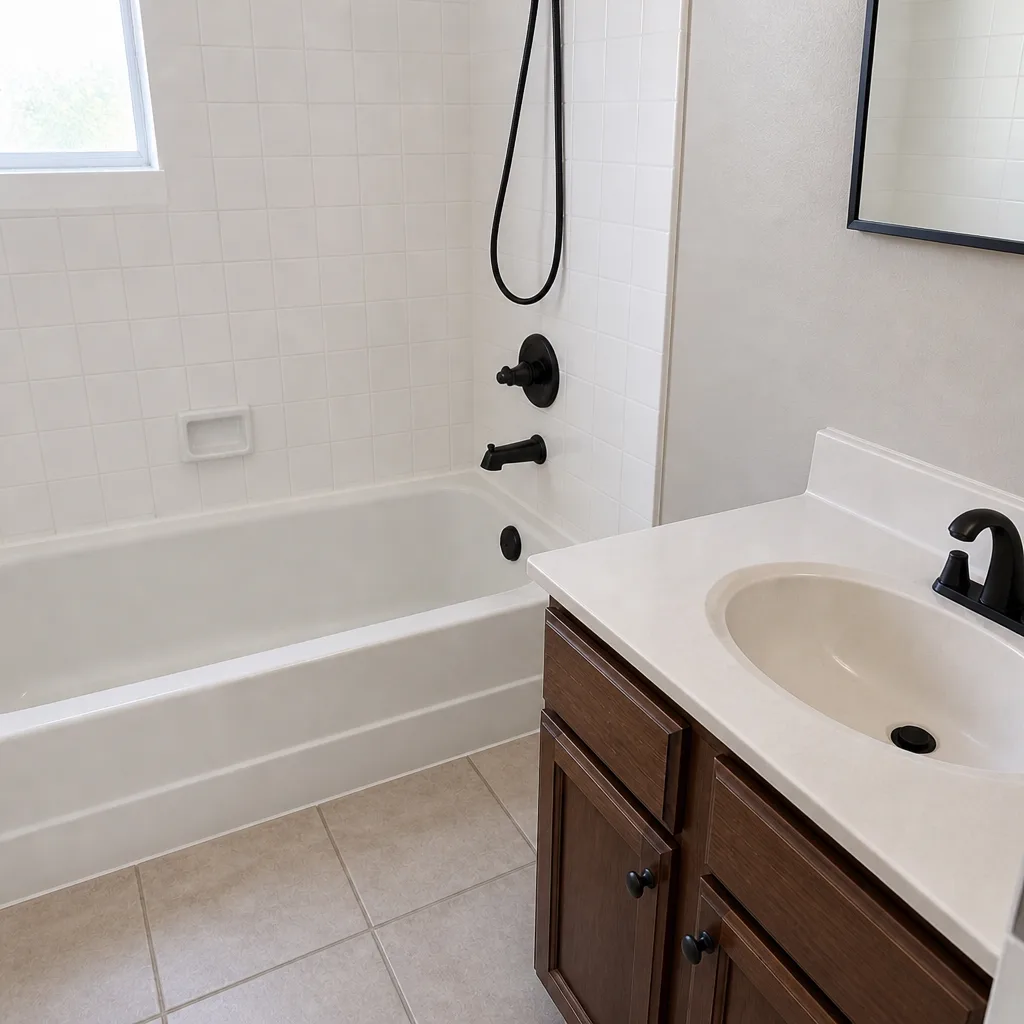 After
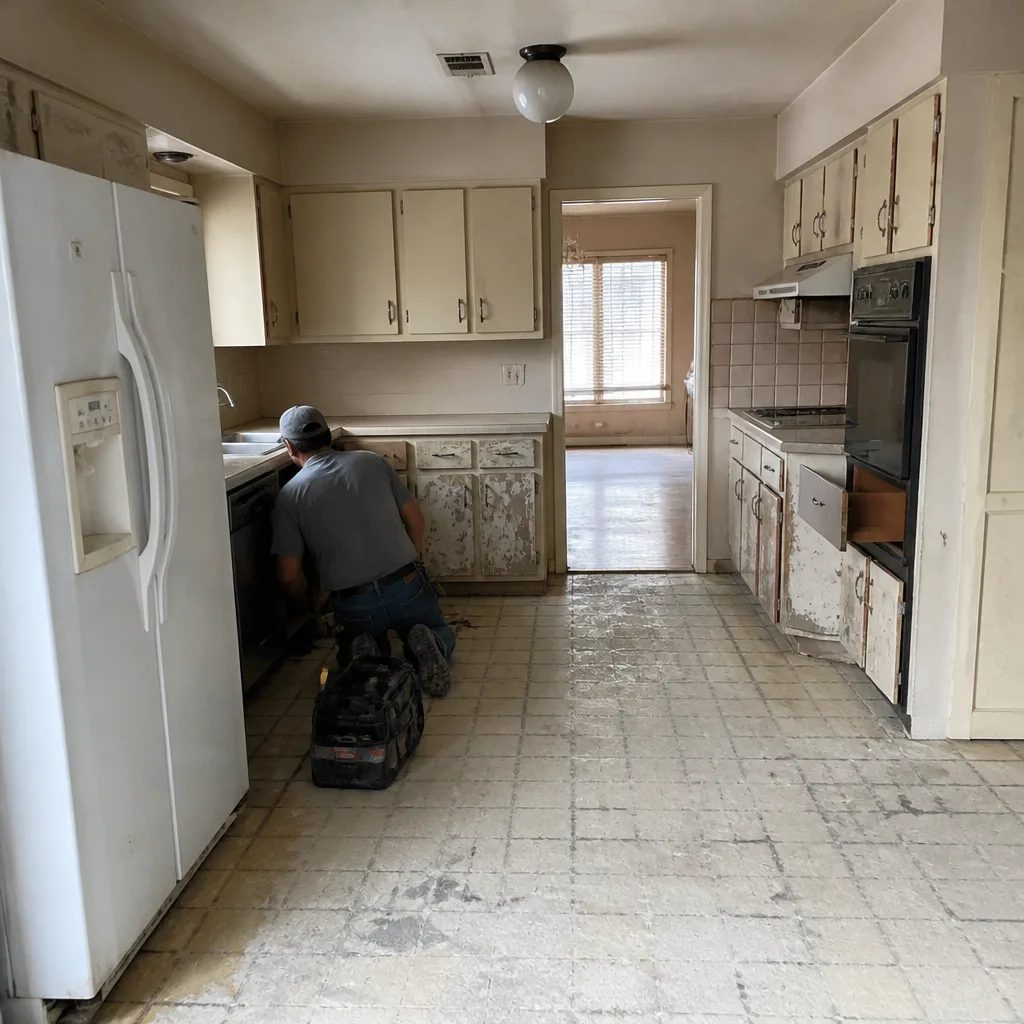 Before
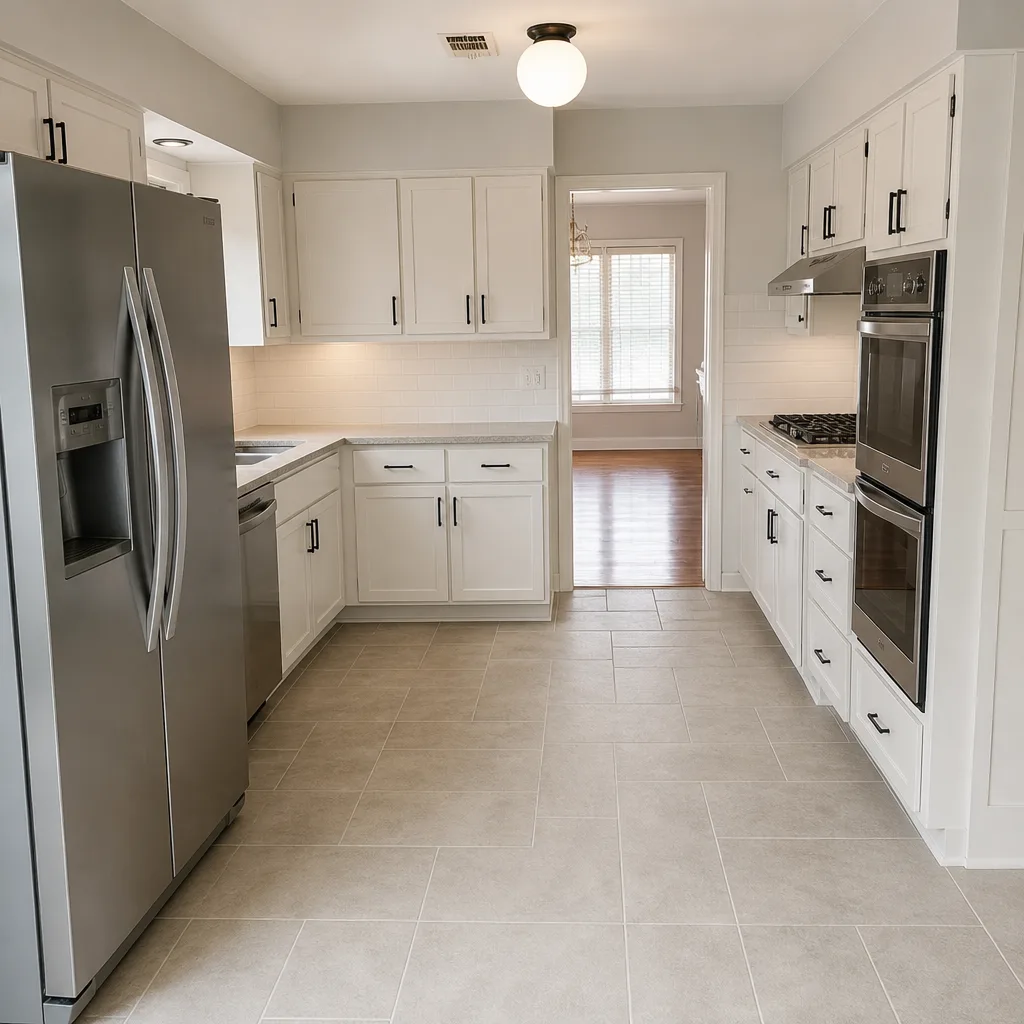 After
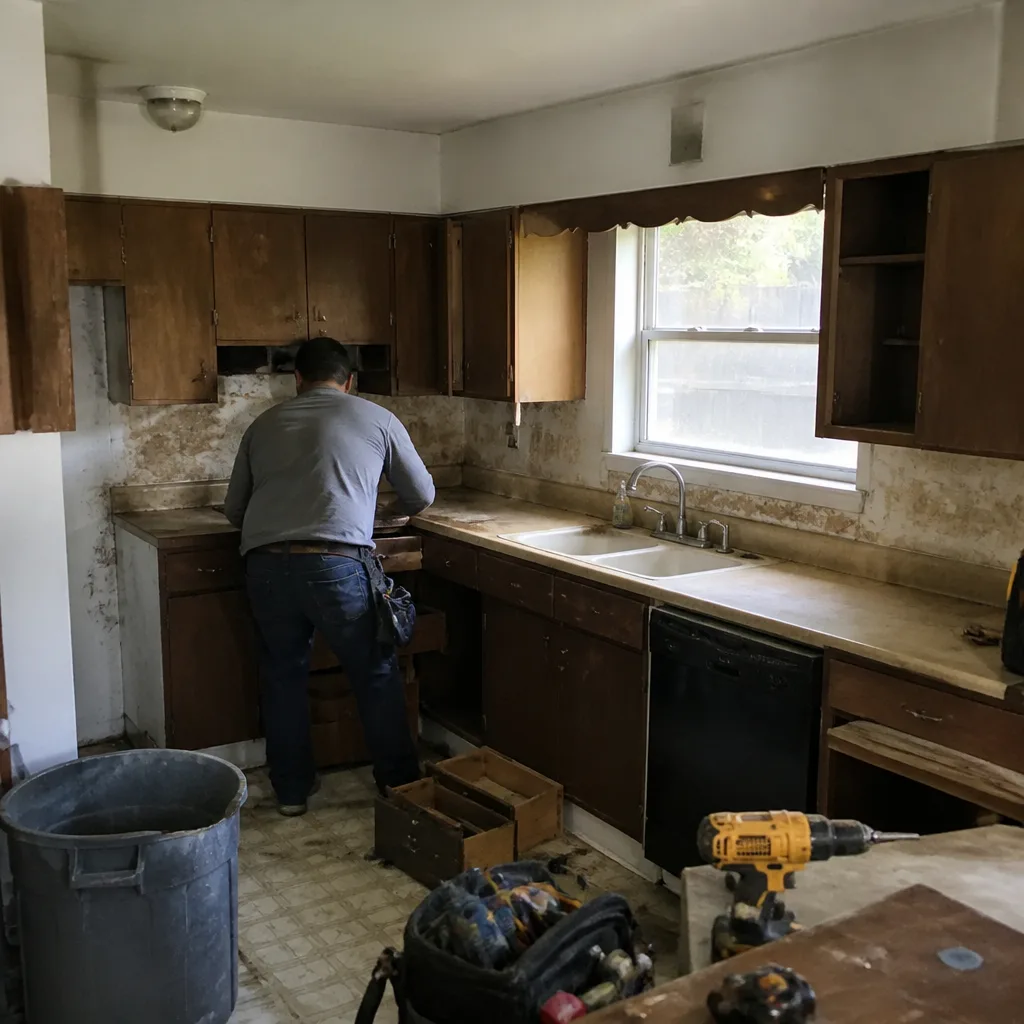 Before
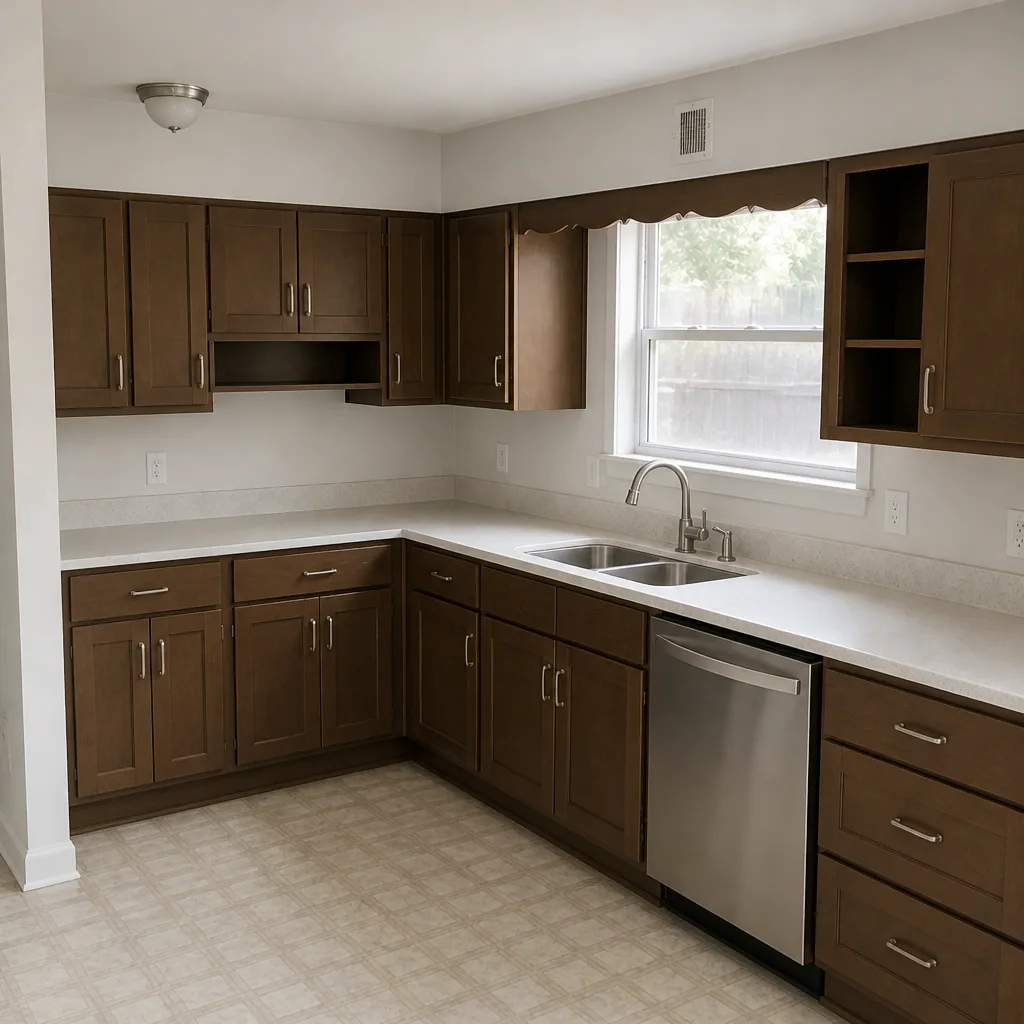 After
Frequently Asked Questions
Painting cabinets and walls, installing cabinet hardware, swapping a faucet at an existing location, replacing a light fixture on existing wiring, setting backsplash tile on prepared substrate, and demolition you’ve coordinated with your contractor are all safe homeowner tasks. Anything requiring a permit or a licensed trade (gas, electrical rough-in, plumbing relocation, structural work) is not.
Cosmetic work like painting, cabinet hardware, and fixture swaps generally doesn’t require a permit. Moving plumbing, adding or relocating electrical circuits, changing gas lines, and removing or adding walls do require permits and licensed trades in Frisco. When in doubt, call the city’s permitting office – the answer is usually clearer than homeowners expect.
No. Gas line work requires a licensed plumber in Frisco and a city inspection, and there is no DIY-safe version of this task. Gas leaks are silent and dangerous. Have the work done by a licensed plumber and inspected before the range goes back in.
Only for the scope they install. A reputable contractor will inspect the substrate, cabinets, or rough-in you did before starting their portion, name the boundary in writing, and warrant their own work from that point forward. Ask for the scope in writing before work starts – every Kingswell Guarantee project includes a written price up front.
It depends on the substrate. Surface tile over a correct substrate is a reasonable DIY project. If the substrate needs rebuilding or you’re installing over an old floor, the proper install runs $10 to $22 per square foot for labor alone, and a failed DIY install costs more to fix than the original labor bill. For Frisco’s clay soils, the substrate is where the money goes.
Self-installing tile over an inadequate substrate. It looks fine for months, then fails as a network of cracks along the grout lines that can’t be repaired cheaply. The second highest-regret is hanging cabinets against an out-of-plumb wall without shimming – the cabinet looks fine until a door won’t close. Call (833) 954-5757 if you want a professional opinion on whether your scope is worth the risk.
The Bottom Line
The DIY-versus-professional line in a kitchen remodel is shorter than the internet makes it seem. Painting, hardware, fixtures, and properly prepared tile belong to the homeowner. Gas, electrical rough-in, plumbing rough-in, and structural work belong to licensed trades with permits and inspections. In Frisco, the middle zone is defined by substrate preparation and cabinet alignment, and those are the tasks where DIY savings most often get eaten by a redo. If you’re unsure where your task falls, our Penhallow Remodeling Frisco home page lays out the scope of what we handle, and a free estimate is a reasonable way to know the real number before you commit your weekend to a job that might cost you more than it saves.
Ready to Get the Number in Writing?
Every Penhallow Remodeling Frisco project starts with a written price, a real arrival window, and the 365-Day Done Right Promise backing the work. Our technicians are background-checked, arrive in uniform, and have up to 22 years of experience between them. Materials come from brands we trust to stand behind their products – KraftMaid and Wellborn cabinetry, Cambria and Silestone countertops, Kohler and Moen fixtures – so the layers of protection behind a guarantee are as solid as the promise itself. A live person answers (833) 954-5757, day or night, to schedule your free estimate and walk through the scope of your Frisco kitchen.
Written by the team at Penhallow Remodeling Frisco.