
Last updated November 18, 2026








Free written scope consultation - allowances, timeline, and change-order rules on paper before a single trade is scheduled
General Contractor Maintenance Checklist for Frisco Homeowners
The number-one source of expensive contractor calls in Frisco isn’t a sudden disaster. It’s a $12 caulk failure or a hairline foundation crack that sat unnoticed for 18 months because the homeowner didn’t know what to look for or where to look. Frisco sits on Blackland Prairie clay that swells and shrinks with every wet and dry cycle, bakes under 100°F summers, and takes a hail beating most springs. This guide walks through the failure points those conditions actually create, room by room and season by season, so you know what’s a normal seasonal shift and what’s the beginning of a five-figure repair. We’ll also show you how to log your upkeep so it protects your warranties and your resale.
Quick Answer
A Frisco homeowner should inspect the exterior envelope (roof, flashing, fascia, window seals) every spring after hail season and every fall before the first freeze; check the foundation perimeter and interior drywall twice a year for new cracks; and reseal exterior caulk joints annually. The tasks that protect your warranties most are the ones people skip: documented annual inspections, prompt water-intrusion repair, and keeping gutters and drainage clear. Most of this is self-inspection. Structural cracks, roof damage, and anything involving gas, electrical panels, or high work needs a licensed professional.
Styles & brands we work with
- Kitchen remodeling
- Bathroom remodeling
- Home additions & ADU
- Roofing
- Windows & doors
- Driveway & pavers
- Fence
Table of Contents
- Why Frisco Homes Need a Different Checklist
- Reading Foundation Movement in Blackland Prairie Clay
- The Exterior Envelope: What Hail Season Degrades Fastest
- Heat Expansion: Doors, Windows, Cabinets, and Caulk
- Room-by-Room Inspection Checklist
- Which Maintenance Tasks Protect (or Void) Your Warranties
- Building an Annual Maintenance Log That Matters
- Common Mistakes to Avoid
Why Frisco Homes Need a Different Checklist
Generic seasonal checklists are written for a climate that doesn’t exist here. A guide built for Portland warns you about moss and constant damp. One built for Phoenix worries about cracking stucco in desert sun. Frisco deals with a specific combination: expansive clay soil that moves inches between a wet spring and a dry August, summer heat that pushes wood framing and cabinet joints through daily expansion cycles, and a hail corridor that dumps golf-ball ice on roofs and siding most springs.
In our experience working on Frisco homes, those three stressors explain the majority of the repair calls we get. Foundation movement shows up as stair-step cracks in brick veneer. Hail bruises shingles and dents fascia in ways a homeowner rarely spots from the ground. Heat cycles pull caulk away from window frames and open seams around exterior doors. None of these announce themselves loudly. They develop quietly until a small, cheap fix becomes a structural or water-damage problem.
Frisco also grows fast, and that matters for maintenance. Newer construction in neighborhoods like Starwood, Newman Village, and the corridors west of the Dallas North Tollway means homes settling into their first decade, when builder-grade caulk, window seals, and drainage start to show their limits. Homes closer to downtown Frisco have had more time for soil movement to do its work. The checklist that follows is calibrated to both.
Reading Foundation Movement in Blackland Prairie Clay
All foundations in Frisco move. The question isn’t whether your slab or pier-and-beam foundation shifts with the seasons, it’s whether the movement is normal and cyclical or progressive and structural. Learning to tell the difference is the single most valuable inspection skill a Frisco homeowner can build.
Normal seasonal shift looks like hairline cracks (under 1/16 inch wide) in drywall at corners, above door frames, or along the ceiling line, and small cracks in exterior brick mortar. These often open in late summer and partially close after fall rains. They’re the clay doing what clay does.
What warrants a call:
- Stair-step cracks in brick veneer wider than a credit card, especially where they follow the mortar joints diagonally.
- Doors and windows that suddenly stick in one part of the house while the rest is fine.
- Cracks wider than 1/4 inch in interior drywall, or cracks that grow noticeably between inspections.
- Uneven floors you can feel underfoot, or gaps where baseboards meet the floor.
- Water pooling along the foundation after rain, or soil that has pulled away from the slab.
Moisture management is the part homeowners can control. Keep gutters clear, extend downspouts at least 6 feet from the foundation, and make sure the soil grades away from the house. A contractor or foundation specialist can tell you whether to add a soaker-hose routine during dry spells or whether piers are needed. Don’t guess on the structural call. Call the professionals for a look. If you’re noticing movement while planning a remodel, our General Contractor in Frisco team can flag structural concerns before you commit to a project.
The Exterior Envelope: What Hail Season Degrades Fastest
Frisco’s spring hail season is hard on the parts of your home that seal out water, and the damage is easy to miss from ground level. The exterior envelope (roof, flashing, fascia, window seals) is where a small breach turns into a ceiling stain and a mold problem within a season or two.
After any hail event, check these checkpoints:
- Roof shingles: Look for granules washing into gutters, bruised or dented areas, and lifted or missing tabs. Hail damage often looks like a soft spot on a shingle rather than a hole.
- Roof flashing: The metal where the roof meets walls, chimneys, and vent pipes. Bent or lifted flashing lets water behind siding.
- Fascia and soffit: The boards along your roofline and the panels underneath. Dents, soft wood, and peeling paint signal water intrusion.
- Window and door seals: Cracked glazing putty, torn weatherstripping, and gaps where caulk has pulled away from the frame.
- Siding and trim: On James Hardie fiber cement siding, hail can chip the finish and open the paint envelope; on vinyl, look for cracked panels.
- Gutters and downspouts: Dented runs and loose hangers that no longer channel water away from the foundation.
Build a relationship with your roof by inspecting it after every significant hail event and photographing what you find. Insurance carriers respond best to documented, timely claims. For anything above a one-story reach, or any repair that involves flashing and the roof plane itself, call a licensed roofer. Roof work at height is not a homeowner job, and a bad patch costs more to fix than the original damage.
Heat Expansion: Doors, Windows, Cabinets, and Caulk
Frisco summers push exterior surfaces past 100°F, and the wood, caulk, and composite materials on your home expand and contract through that range every single day. Over a few years, that daily cycle loosens joints that were tight on day one.
The high-heat failure points:
- Exterior caulk joints around windows, doors, and penetrations. When the bead pulls away, water gets in. Reseal annually with a quality exterior-grade caulk. A $12 tube of sealant is the cheapest maintenance you’ll ever buy.
- Cabinet doors and drawers. Heat and humidity swings throw cabinet frames out of square enough that hinges need adjustment and drawers start to rub. This is especially true on the south and west walls of kitchens, which take the most afternoon sun.
- Door hinges and strikes. Interior doors that swelled tight in August often need striking-plate adjustment, not replacement.
- Weatherstripping and thresholds. Heat dries out and shrinks door seals, so your AC runs longer than it should to keep Frisco’s summer heat out.
Most of this is homeowner work. Cabinet hinge adjustment, caulk touch-ups, and weatherstripping are straightforward. What we’d flag is structural: if a cabinet run has pulled away from the wall, or if you see the same joint failing every year despite good caulk, the substrate behind it may be moisture-damaged. That’s a call for a professional eye. Our Kitchen Remodeling in Frisco team deals with that hidden water damage more often than homeowners expect.
Room-by-Room Inspection Checklist
Work through your home twice a year: once in spring after hail season, once in fall before the first freeze. Keep a notebook or phone log of what you find and when. Here’s the room-by-room route.
Kitchen
- Check under the sink for staining or soft cabinet bottoms (water intrusion).
- Look for loose caulk at the backsplash and around the sink rim.
- Test all cabinet hinges and drawer slides; note sagging doors.
- Check the range hood exhaust and dishwasher supply line for drips.
Bathrooms
- Inspect caulk and grout at every wet joint; recaulk when you see cracks or darkening.
- Check for soft spots around the toilet base and shower pan.
- Look for recurring mold at the ceiling corners (ventilation).
- Run the exhaust fan; if it’s weak, your moisture problem is a fan problem. For bigger moisture or tile failures, our Bathroom Remodeling in Frisco team can trace the source.
Living areas and bedrooms
- Photograph any new drywall cracks and note the date.
- Check window and door seals from the inside for drafts or water stains.
- Look at ceilings for fresh stains after rain.
Exterior and garage
- Walk the foundation perimeter checking for new cracks and soil gaps.
- Clear gutters and confirm downspouts run water away from the house.
- Inspect the roof and flashing from the ground (binoculars help).
- Check the garage door, its tracks, and the seal at the floor.
Which Maintenance Tasks Protect (or Void) Your Warranties
Most homeowner insurance and contractor warranties don’t fail because of a defect. They fail because the homeowner stopped maintaining the home and the damage was preventable or the paper trail was missing. That’s a hard truth, and it’s worth taking seriously.
The tasks most often tied to warranty conditions:
- Roof inspections and prompt water-intrusion repair. Carriers expect you to address leaks when you find them. A leak left running for months becomes a claim denial.
- Caulking and sealing exterior joints. Water damage that traces back to failed caulk is typically ruled the homeowner’s responsibility.
- Gutter and drainage maintenance. Foundation issues caused by water pooling against the slab are usually excluded.
- HVAC filter changes and service. A neglected system isn’t covered for the failure that neglect caused.
- Documented repair history. Brands like Cambria quartz carry their own lifetime warranty; keeping your installation and care records makes claims easier. Contractors like ours back their work with a 365-Day Done Right Promise and a written guarantee on every project, and keeping your maintenance log up to date is what keeps those guarantees intact.
Read your warranty documents once a year. Note what the terms require in writing, and put those tasks on a calendar. A written guarantee is only as good as the homeowner keeping the other side of the bargain.
Building an Annual Maintenance Log That Matters
A maintenance log is one of the least glamorous tools a homeowner has, and one of the most valuable at closing or at claim time. Buyers and adjusters both respond to a simple, consistent record of what was inspected, what was repaired, and when.
Keep it simple and use a method you’ll actually maintain:
- Start a physical notebook or a spreadsheet. Columns for date, area of home, what you inspected, what you found, and what you did about it.
- Photograph findings. A dated photo of a hairline crack is worth a hundred words when you’re arguing about when movement started.
- Note contractor visits and invoices. Who did what, when, and what the written guarantee covers. Keep those documents with the log.
- Record materials used. The brand and product line of sealants, caulks, and replacement parts helps any future contractor match them.
- Review the log twice a year. Use the spring and fall inspections as natural checkpoints. Update and date the entry.
When you sell a Frisco home, a clean log signals a maintained house and can support your asking price. When you file an insurance claim after a hail event, the log distinguishes a fresh, documented occurrence from one that’s been quietly leaking for a year. Take ten minutes twice a year and answer the five items above, and you’ll have a paper trail that matters.
Common Mistakes to Avoid
- Ignoring hairline cracks as “just clay.” Some cracks are the clay doing its seasonal thing; others are the start of structural movement. Promise yourself you’ll photograph and date every new crack rather than dismiss it outright.
- Letting caulk and grout run past their life. A dried, cracked bead around a Frisco window is the first domino in water intrusion. If you can’t remember the last time you recaulked, it’s been too long.
- Standing on your roof to “check it.” Roof and flashing work at height is genuinely dangerous and a slip costs far more than a roofer visit. Inspect from the ground or call a licensed roofer.
- DIY-ing anything involving electrical or gas. Electrical panels and gas lines are not homeowner territory. The safety risk isn’t worth the savings, and most insurance policies treat unpermitted work harshly.
- Never taking a photo. A repair you can’t prove you did is a repair an insurer or buyer won’t credit you for. The log is half the value of the maintenance.
- Doing a renovation without pulling the permits. Unpermitted work in Frisco can stall a sale or trigger fines. Any general contractor worth hiring will pull the permits and pass the inspections.
- Waiting for a small water stain to get bigger. A stain is a message that water got in. Fix the source; don’t repaint over a leak and call it done.
If you’d rather have someone walk the home with you, that’s a reasonable use of a professional visit. Our team at Penhallow Remodeling Frisco is glad to look.
See the difference
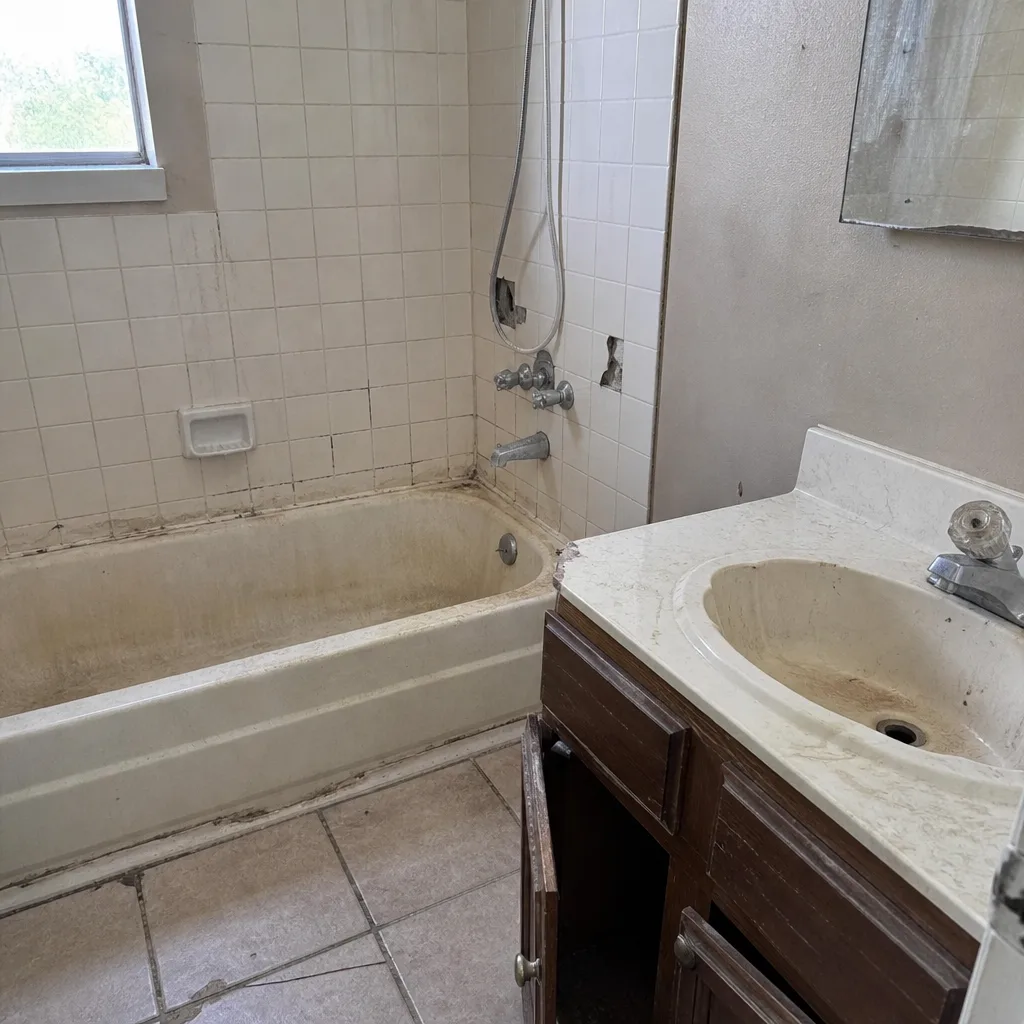 Before
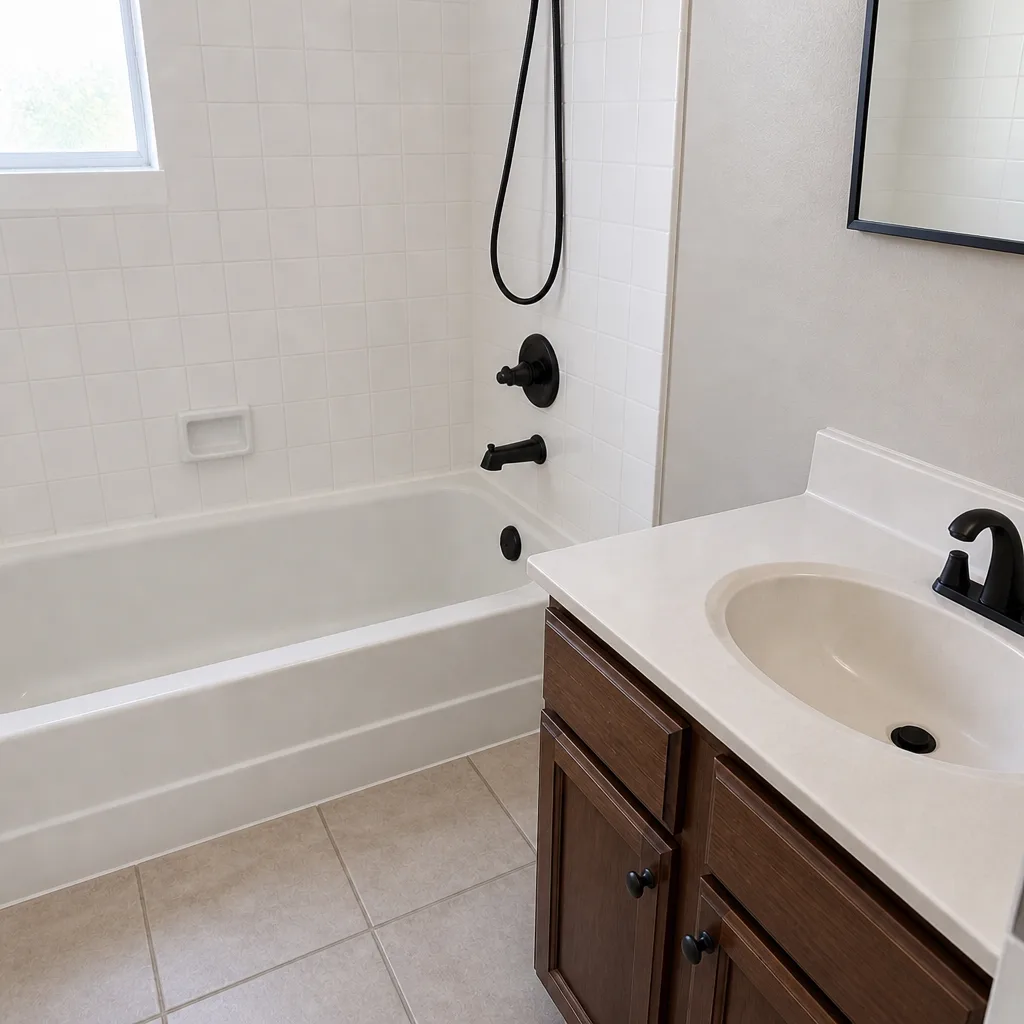 After
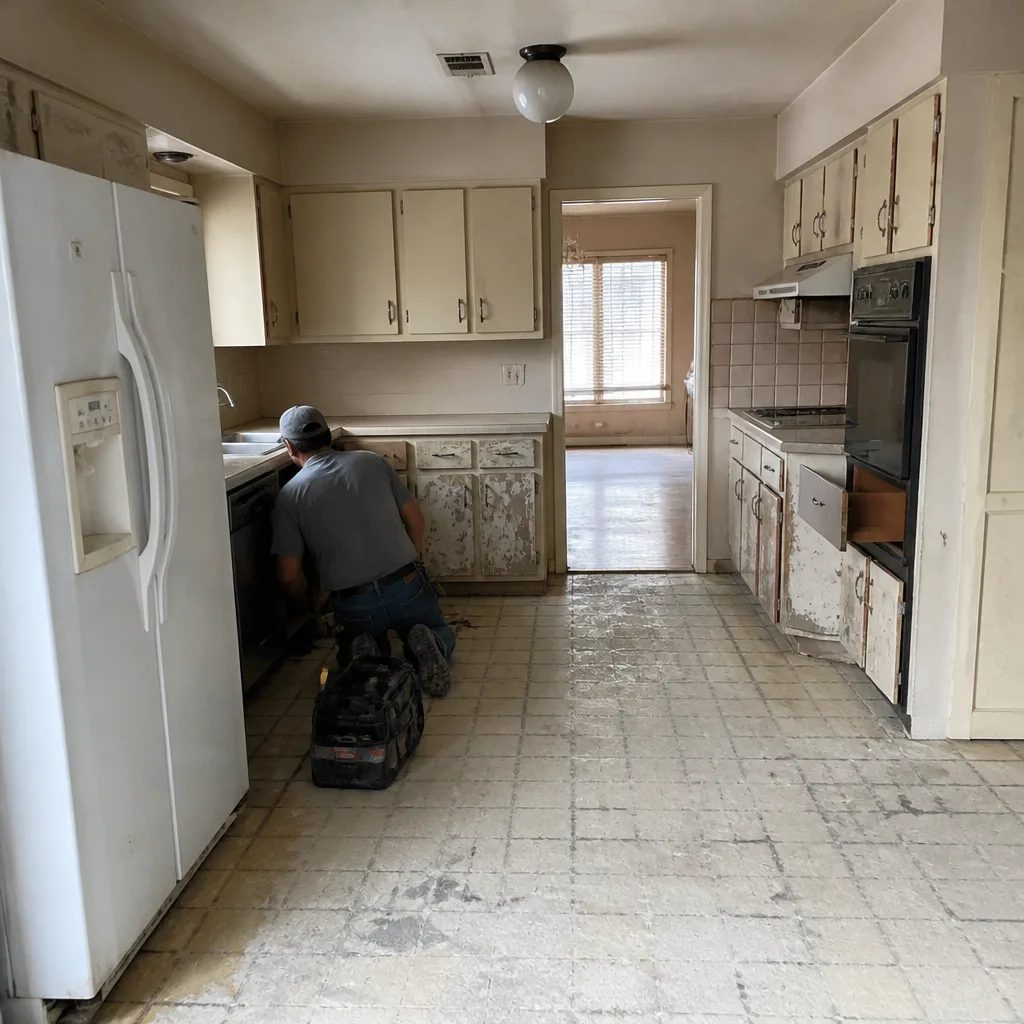 Before
 After
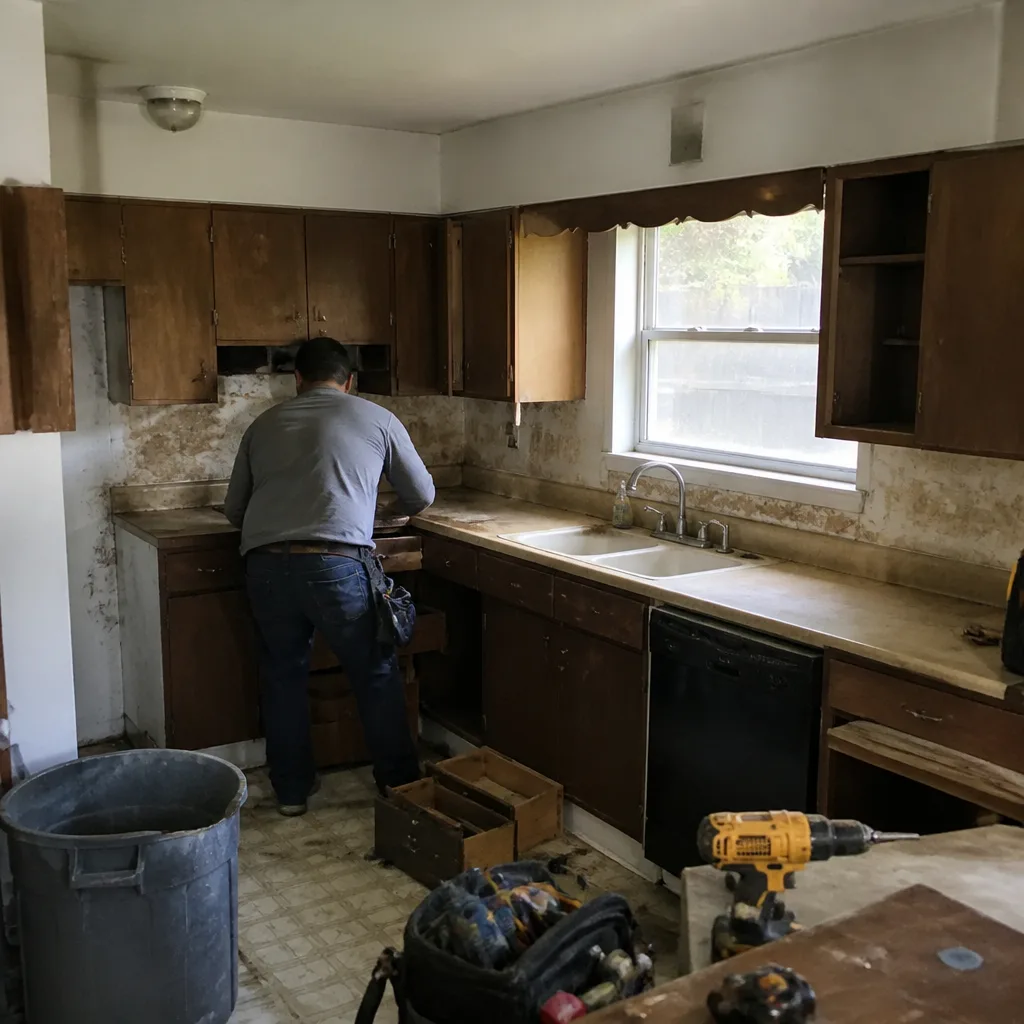 Before
 After
When to Call a Professional
Some tasks are homeowner territory, and some carry real risk or warranty consequences. Call a licensed professional when you see any of these: structural cracks in brick veneer or interior drywall wider than a quarter inch; any roof or flashing damage, or anything that requires going onto the roof; fuel, gas, or electrical work of any kind; a foundation issue where doors and windows have suddenly begun to stick; or any water intrusion you can’t trace to a caulk or seal. A professional visit early saves most homeowners far more than it costs. And in Frisco, calling before the small problem becomes a large one is the whole point. We offer free estimates in Frisco. Call (833) 954-5757. Every project comes with a written price before any work starts, background-checked technicians in uniform, and a 365-Day Done Right Promise that we put in writing.
Frequently Asked Questions
Twice a year: once in spring after hail season and once in fall before the first freeze. Frisco’s climate puts specific strain on the exterior envelope in spring (hail) and on caulk and seals through the summer heat. Two thorough walkthroughs a year catch almost everything before it turns expensive.
Hairline cracks under 1/16 inch that open in dry weather and partially close after rain are usually normal Blackland Prairie clay movement. Cracks wider than 1/4 inch, stair-step cracks in brick veneer, and suddenly sticking doors point to structural movement that needs a professional look. When in doubt, photograph it, date it, and get a licensed opinion.
Skipping roof and water-intrusion repairs, neglecting exterior caulk, ignoring gutter and drainage maintenance, and failing to keep HVAC service records are the most common warranty-voiding hangs. Carriers and contractors both expect you to address damage you’ve found. Keep a written maintenance log so you can prove you did.
Most routine maintenance (caulking, painting, minor trim repairs) doesn’t require a permit. Structural, electrical, gas, and any work that changes your home’s footprint or systems usually does. Any reputable contractor on a renovation will pull the permits and pass the inspections. If a contractor offers to skip the permit to save you money, walk away.
Document it. Photograph the damage from the ground, note the date, and call a licensed roofer for an inspection. Don’t climb onto the roof yourself, and don’t sign anything from a door-knocking storm chaser. Your maintenance log and dated photos help the insurance process. If the damage requires repair work, get a written price and a written guarantee before anything starts.
Look for whether the issue is cyclical or progressive. Cracks that open in August and partially close after fall rain are typical clay behavior. Cracks that widen between inspections, doors that stick in one room while the rest is fine, and recurring water stains all point to a real problem. Consistency is the tell. Record each finding with a date so the pattern is clear.
The Bottom Line

Maintenance in Frisco comes down to understanding three stressors: clay soil that moves with every wet and dry cycle, summer heat that works joints and seals loose, and a hail corridor that stresses your roof and envelope each spring. Walk your home twice a year, use this checklist room by room, photograph and date everything, and keep a written log. Reseal your caulk, keep water away from your foundation, and know the difference between normal seasonal shift and something that needs a licensed eye. The small, cheap fixes done on schedule are what keep bigger, expensive repairs from happening. When you need a general contractor for the work that’s beyond a homeowner’s reach, we give you a written price before we pick up a tool, a real arrival window, and a written 365-Day Done Right Promise. Call (833) 954-5757 for a free estimate.
Written by the team at Penhallow Remodeling Frisco.