Last updated November 18, 2026




Free written scope consultation - allowances, timeline, and change-order rules on paper before a single trade is scheduled
DIY vs Professional General Contractor: What’s Safe to Do Yourself
A Texas homeowner’s insurance policy can deny a water damage claim if the source is traced to unpermitted work, including the innocent-looking bathroom fan you swapped out yourself last spring. That’s the part most DIY debates skip. The question isn’t whether you can hang drywall or set tile. It’s whether you can absorb the liability if something fails, if a buyer’s inspector flags the work at resale, or if your insurer traces the damage back to a project that never had a permit. This guide draws the line where a weekend project stops being a skill test and starts being a legal and financial exposure, with Frisco specifics you can actually use.
Quick Answer
In Frisco and across Texas, cosmetic work like painting, swapping light fixtures, patching drywall, installing a faucet, or laying floating flooring is generally safe to do yourself. Anything that touches structural framing, electrical circuits, gas lines, plumbing supply or drain lines, roofing, or adds or moves walls requires a permit pulled by a licensed professional. The dividing line isn’t your confidence level. It’s permit exposure, insurance liability, and how Texas treats unpermitted improvements when you sell or file a claim. When the project crosses that line, the liability transfer alone justifies hiring a general contractor.
Styles & brands we work with
- Kitchen remodeling
- Bathroom remodeling
- Home additions & ADU
- Roofing
- Windows & doors
- Driveway & pavers
- Fence
Table of Contents
- The Real Line: Where a Weekend Project Becomes a Legal Risk
- What Projects Require a Permit in Frisco, Texas
- How the Texas Homestead Exemption and Insurance Fine Print Interact
- What’s Genuinely Safe to DIY in Texas
- Why “My Neighbor Did It Himself” Is a Bad Benchmark in Frisco
- What a GC’s Liability Insurance Actually Covers
- The Cosmetic Trap: Projects That Look Small but Aren’t
- What Unpermitted Work Costs You at Resale
The Real Line: Where a Weekend Project Becomes a Legal Risk
Most DIY advice frames the decision as skill versus budget. We think that misses the two risks that actually cost Frisco homeowners real money: permit exposure and liability transfer. Skill you can build. A denied insurance claim you can’t undo.
Here’s the framing that matters. Every improvement to your home either stays inside the homeowner’s world, where you own the risk and the outcome, or it enters the regulated world of code and permits, where a licensed professional is legally on the hook. The moment you add a circuit, move a drain, cut into structural members, or change the building envelope, you’ve stepped into the second category. That doesn’t mean it will fail. It means if it does, the loss lands on you, not on a licensed contractor’s insurance policy.
In our experience across Frisco, the most expensive mistakes aren’t the ones that fail dramatically. They’re the ones that sit quietly for three or four years in a bathroom or a laundry room and only surface when an inspector, an appraiser, or an adjuster starts asking who did the work and when.
- Stays in your lane: painting, trim, floating floors, fixtures, hardware, patching drywall, landscaping inside the property line.
- Crosses the permit line: anything electrical beyond a fixture swap, any new or relocated plumbing supply or drain, gas lines, structural changes, roof sections, new walls, window and door substitutions in exterior walls.
- Crosses the liability line: anything that could cause water intrusion, fire, or structural failure if done wrong, because those are the failure modes insurers scrutinize hardest.
This is the entire thesis of this guide: the decision isn’t about whether you’re handy. It’s about whether you want to be the person the loss gets assigned to if the work fails.
What Projects Require a Permit in Frisco, Texas
In Frisco, a building permit is required for any project that changes the structure, systems, or footprint of the home, and for several projects homeowners routinely assume are purely cosmetic. The city’s permitting department treats the following as permit projects, not weekend jobs:
- Any new electrical circuit or panel work. Replacing a ceiling fan with a same-amperage unit doesn’t require a permit. Adding an outlet, installing a bathroom exhaust fan tied to a new circuit, or upgrading the panel does.
- Any relocation or addition of plumbing supply or drain lines. Replacing a faucet or toilet on existing connections is fine. Moving a sink, adding a shower, or running a new drain line is not a DIY project and requires a permit.
- Gas line work of any kind. New gas ranges, fireplaces, dryers, and outdoor connections all require a licensed gas fitter and inspection. A small gas leak in a Frisco home can empty the house for weeks.
- Structural changes. Removing or adding a wall, cutting a header, sistering a joist, cutting into the subfloor, and roof framing all require a permit and engineering where the load path changes.
- Roof replacement or large repairs. Roof section replacement over a certain size, and any change to the roof deck, falls under Frisco permit requirements.
- Bathroom and kitchen remodels. Any remodel that touches plumbing, electrical, or the exhaust system in these rooms is a permit project in Frisco. This is the category that surprises homeowners most, because a bathroom is small and feels manageable.
- Decks, patios, and covered structures. A new deck over the size threshold, an attached pergola, or a covered porch all require permits.
A practical way to think about it: if the project shows up in Frisco’s online permit portal as a checklist item, it’s a permit project, full stop. If it’s a fixture swap or finish work, it’s likely not. When you’re between the two, one phone call to the permit office answers the question in two minutes. That’s cheaper than finding out at resale.
How the Texas Homestead Exemption and Insurance Fine Print Interact
Two pieces of paperwork determine whether unpermitted work actually costs you money in Texas. The first is your homeowner’s insurance policy. The second is the state’s homestead exemption and how it interacts with the appraisal district.
Start with the insurance policy. Every standard Texas homeowner policy includes exclusions and conditions most people never read. Two of them matter here. First, insurers can deny or reduce a claim if the loss is traceable to work performed without a required permit or outside code compliance, particularly for water damage and fire. Second, insurers require disclosure of material improvements. A finished bathroom or new deck changes the replacement cost of the home. If an adjuster calculates a replacement cost that doesn’t match what’s in the file, that gap becomes a coverage dispute.
Now the homestead exemption. In Texas, improvements to your homestead are generally protected from forced sale in bankruptcy and from certain judgments, which makes homeowners feel insulated. But that protection doesn’t reach a claim denial. If your insurer denies the water damage because the source is an unpermitted shower valve installation, the homestead protection doesn’t put the money back in your pocket. It only protects the home from certain creditors.
- Disclose improvements to your insurer. A finished bathroom, a new deck, or a roof replacement should be reflected in your policy so the replacement cost is accurate.
- Keep every permit and inspection record. If a claim is ever challenged, the paper trail is your defense.
- Update your homestead appraisal. The appraisal district tracks improvements for tax purposes; unpermitted work that isn’t disclosed creates a mismatch that can surface at sale.
Penhallow Remodeling Frisco home projects include every permit pulled and every inspection passed as part of the written scope, so the paper trail exists before a claim ever gets filed.
What’s Genuinely Safe to DIY in Texas
Plenty of work is safe, legal, and genuinely worthwhile to do yourself. The line is cleaner than most people assume. If the project doesn’t alter electrical, plumbing, gas, structural, or the building envelope, you’re generally in safe territory under Texas law and Frisco’s permit rules.
- Interior painting. Walls, ceilings, trim, doors. No permit, no liability transfer.
- Floating floor installation. Luxury vinyl plank and floating laminate go over existing subfloors without modifying structure. Skip this if the subfloor is uneven or if you’re replacing glued-down flooring.
- Fixture swaps on existing connections. Faucets, showerheads, toilets, light fixtures, and outlet covers, as long as the connections exist and you aren’t adding a circuit or moving a drain.
- Trim, baseboards, and crown molding. Purely cosmetic and reversible.
- Patching drywall and small repairs. Hole patching, texture matching, and minor drywall work stay inside homeowner territory.
- Cabinetry hardware, hooks, shelving, and organization. Simple anchoring and hardware work is fine. Skip built-in shelving that requires structural anchors into studs in load-bearing contexts.
- Landscaping within your property line. Beds, plants, edging, and material delivery (bagged Quikrete or Sakrete for a small patio base) are DIY-friendly. Anything that touches drainage or an easement is not.
Our technicians have up to 22 years of experience, and the honest answer we give homeowners who ask about a specific project is usually the same: if it’s on this list, do it yourself and save the money. If it’s not, the labor you save isn’t worth the liability you take on.
Why “My Neighbor Did It Himself” Is a Bad Benchmark in Frisco
“My neighbor did it himself” is the most common reassurance we hear, and it’s the weakest evidence for a decision that carries this much risk. Neighbors are a good benchmark for the cost of a Halloween candy bag, not for permit exposure.
Two things have changed in Frisco. First, the city has grown fast, and denser subdivisions mean more adjacent eyes and closer property lines. Code enforcement complaints rise with density, and a complaint is often how unpermitted work first surfaces. That neighbor who did it himself may simply not have been reported yet, which is not the same as legal.
Second, the neighbor’s situation may not match yours. Different lot grading. Different era of construction. Different policy language with their insurer. A neighbor’s DIY bathroom that held up for five years tells you nothing about your house’s plumbing, your subfloor condition, and your policy’s exclusions.
In Frisco neighborhoods where the housing stock spans multiple build eras, the same project can be straightforward in one home and a permit question in another. We’ve seen it repeatedly: a homeowner assumes a wall is non-load-bearing because the neighbor’s similar-looking wall was, then discovers the load path runs differently in the newer construction across the street.
What a GC’s Liability Insurance Actually Covers
When you hire a licensed general contractor, part of what you’re paying for isn’t the labor. It’s the transfer of liability. That’s the part homeowners don’t see on the estimate, and it’s the part that matters most when something fails inside the guarantee period.
A general contractor’s liability insurance covers property damage and bodily injury caused by the contractor’s work. If the new shower pan fails and water reaches the subfloor, the contractor’s policy responds, not the homeowner’s. If a worker is injured on the job, the contractor’s coverage handles it. If a permit inspection fails because the work was done wrong, the contractor absorbs the correction cost.
When you self-perform, you absorb all three. Your homeowner’s policy covers the resulting damage, not the cost of redoing the work. If you’re injured, your health insurance becomes the payer. If a permit inspection fails, the correction comes out of your pocket with no one to hand it back to.
- Contractor’s policy covers: damage and injury caused by faulty work, permit failures requiring correction, worker injuries on the job, and in our case, a written guarantee that puts the repair obligation on us for 365 days after the project closes.
- Homeowner’s policy covers: the resulting damage, often with deductibles and exclusions that may reduce or deny coverage if the source is unpermitted work.
- Nobody covers: the lost resale value of unpermitted work discovered at inspection, and the friction cost of correcting it under someone else’s timeline.
That’s before we get to brands. When we install a Cambria quartz countertop or a James Hardie siding panel, those products carry their own manufacturer warranties, and we pass them through. A homeowner self-installing the same material usually voids the manufacturer’s coverage on installation.
The Cosmetic Trap: Projects That Look Small but Aren’t
The most dangerous DIY category is the group of projects that look cosmetic but touch a system. These are the ones Frisco homeowners most often get wrong, and they’re the ones that cause insurance claims rather than injuries.
- Swapping a bathroom exhaust fan. Feels like a fixture change. It’s often a new circuit and a roof or wall penetration that has to be flashed correctly, or the fan leaks and the ceiling fails.
- Replacing a shower valve. The valve is behind the wall. The water damage risk is behind the wall too, and it’s silent for months.
- Replacing a toilet with a different flange height. Fine if the flange matches. A leak at the base is a floor failure waiting to happen.
- Adding a laundry sink or moving the washer. New drain and supply lines. Permit project, no exceptions.
- Installing a new gas range or dryer. Gas line work. Licensed fitter, inspection, always.
- Removing a wall between a kitchen and a dining room. This looks cosmetic and is almost always structural. Header required, permit required.
- Replacing a window or exterior door. Envelope change. Permit required in Frisco, and flashing done wrong means water intrusion in the first heavy storm.
When homeowners ask us for a project estimate on any of these, the first thing we do is confirm the permit path and the scope in writing, before any demo begins. That’s the Kingswell Way in practice: say the price before the work, show up in the window we gave, and leave the place cleaner than we found it. Kitchen renovations that touch electrical and plumbing are the single most common permit project in Frisco homes, and the projects that go wrong most often when self-performed.
What Unpermitted Work Costs You at Resale
Unpermitted work doesn’t stay invisible. It surfaces at three points: a pre-listing inspection, a buyer’s inspection, and an insurance claim. Each one has a different cost, and all three are worse than the cost of having done it right.
At pre-listing inspection, unpermitted electrical or plumbing work typically means one of two outcomes. The seller pays to correct and permit after the fact, which is more expensive than doing it correctly the first time because walls often have to be opened to expose the work. Or the seller discloses the work and negotiates a credit, usually larger than the correction cost, because buyers price in the risk. In Frisco’s market, where buyers are well-informed and inspections are thorough, neither outcome is cheap.
At claim time, the exposure is worse. As we covered earlier, a claim denial because the loss traces back to unpermitted work has no offset. The homestead exemption doesn’t reach a denied claim. The insurer’s decision stands.
A written quote from a licensed general contractor with every permit listed isn’t overhead. It’s the piece of paper that makes all three of those scenarios much less likely, and it’s the reason we put the price in writing before any work starts.
Common Mistakes to Avoid
- Assuming “cosmetic” means “unregulated.” Most cosmetic work is unregulated. The bathroom exhaust fan, the shower valve, and the window replacement are not, and those are the ones that show up in a claim.
- Using “my neighbor did it” as a permit check. Neighbor permission isn’t permit permission. In denser Frisco subdivisions, code enforcement complaints rise with density, and a complaint is often how unpermitted work first surfaces.
- Skipping the insurer disclosure on a finished project. A completed bathroom or new deck should be reflected in your policy, or your replacement cost coverage will be short exactly when you need it.
- Buying the cheapest bagged product for concrete patching. Quikrete, Sakrete, and Oldcastle bagged mixes have real differences in cure behavior and compressive strength. The wrong bag creates a repair that fails in one season. Match the product to the application rather than the price tag.
- Cutting into structural members to “see what’s behind.” In Frisco homes built in different eras, structural members vary. Cutting to inspect without knowing the load path creates a repair that’s more expensive than hiring someone to check.
- Putting off the permit decision until after demo. The price of correcting unpermitted work after demo day is roughly double the price of doing it permitted from the start, because walls have to reopen.
- Assuming a manufacturer warranty covers your installation. It usually doesn’t. Cambria, James Hardie, and most trade brands warrant the material, not the installation. If you install it, you carry the labor warranty, and if it fails, you carry the correction.
See the difference
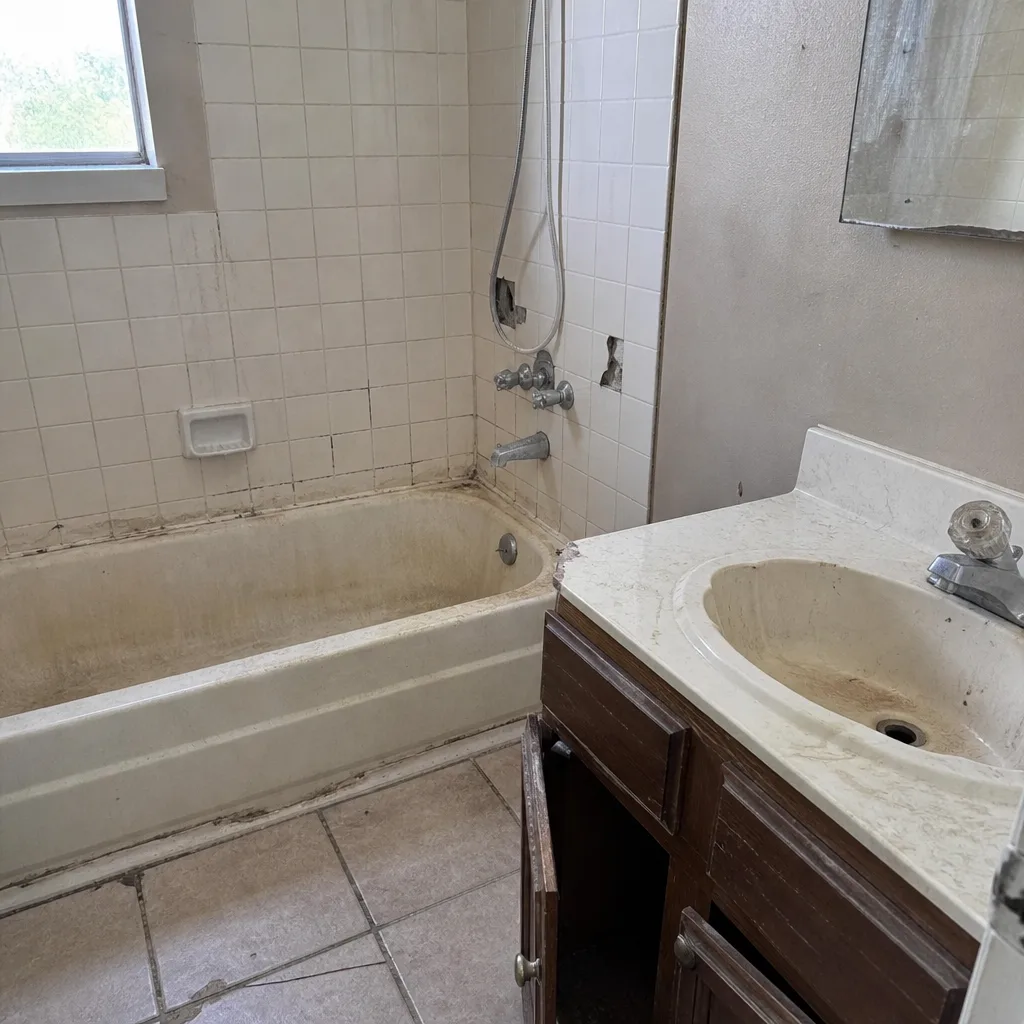 Before
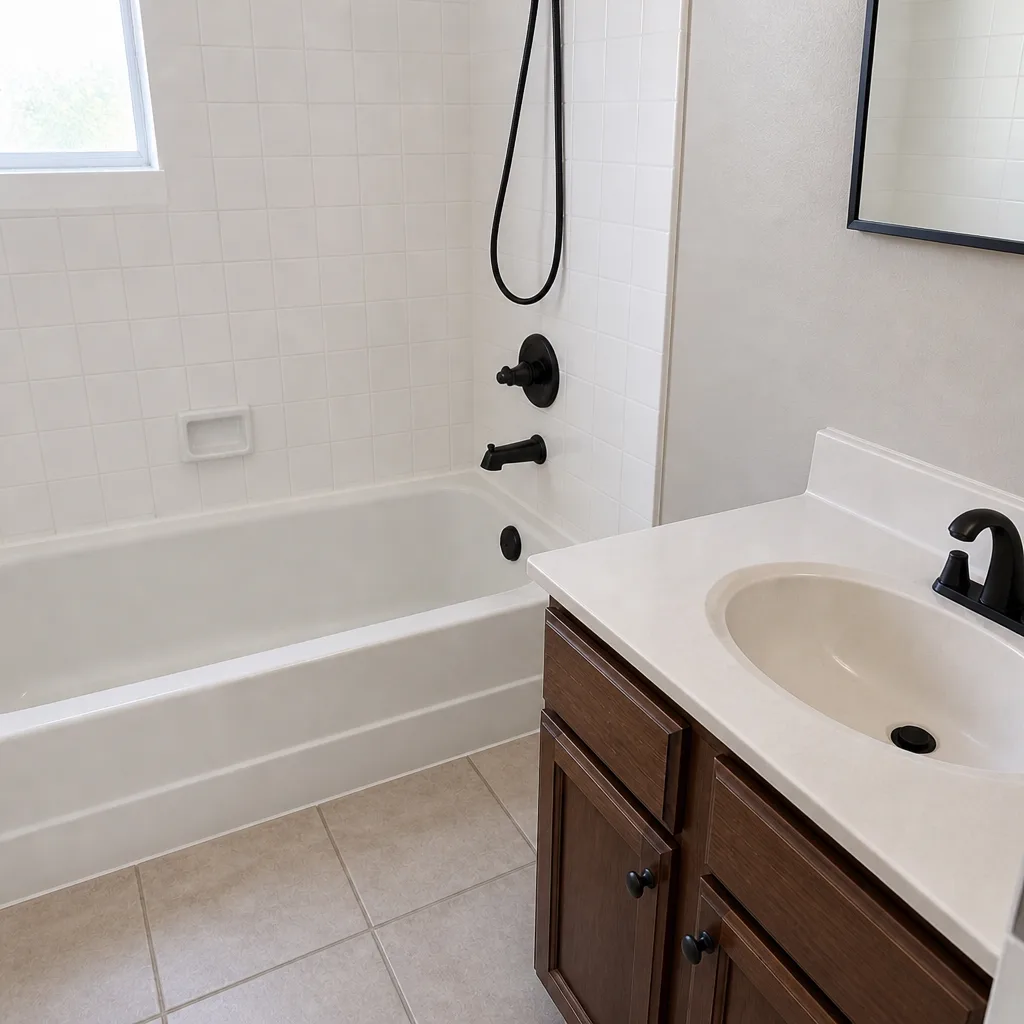 After
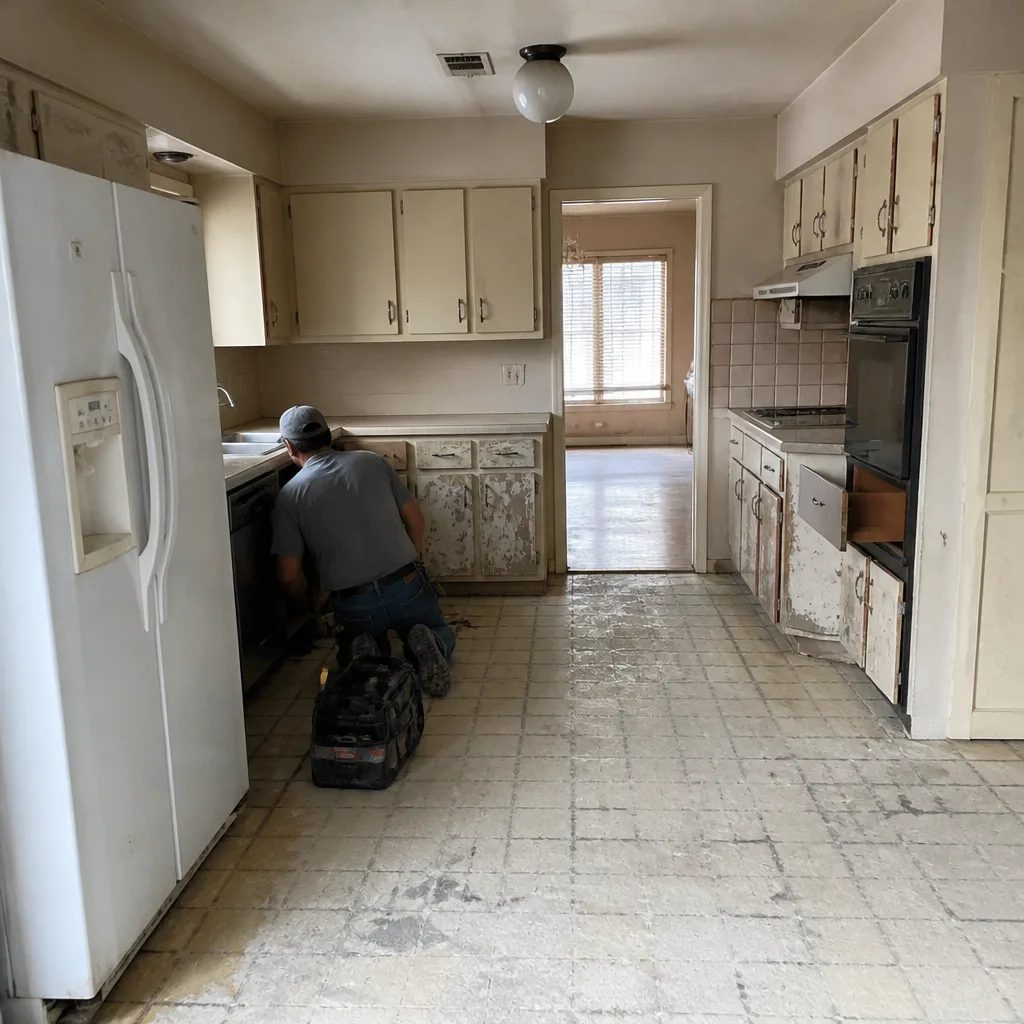 Before
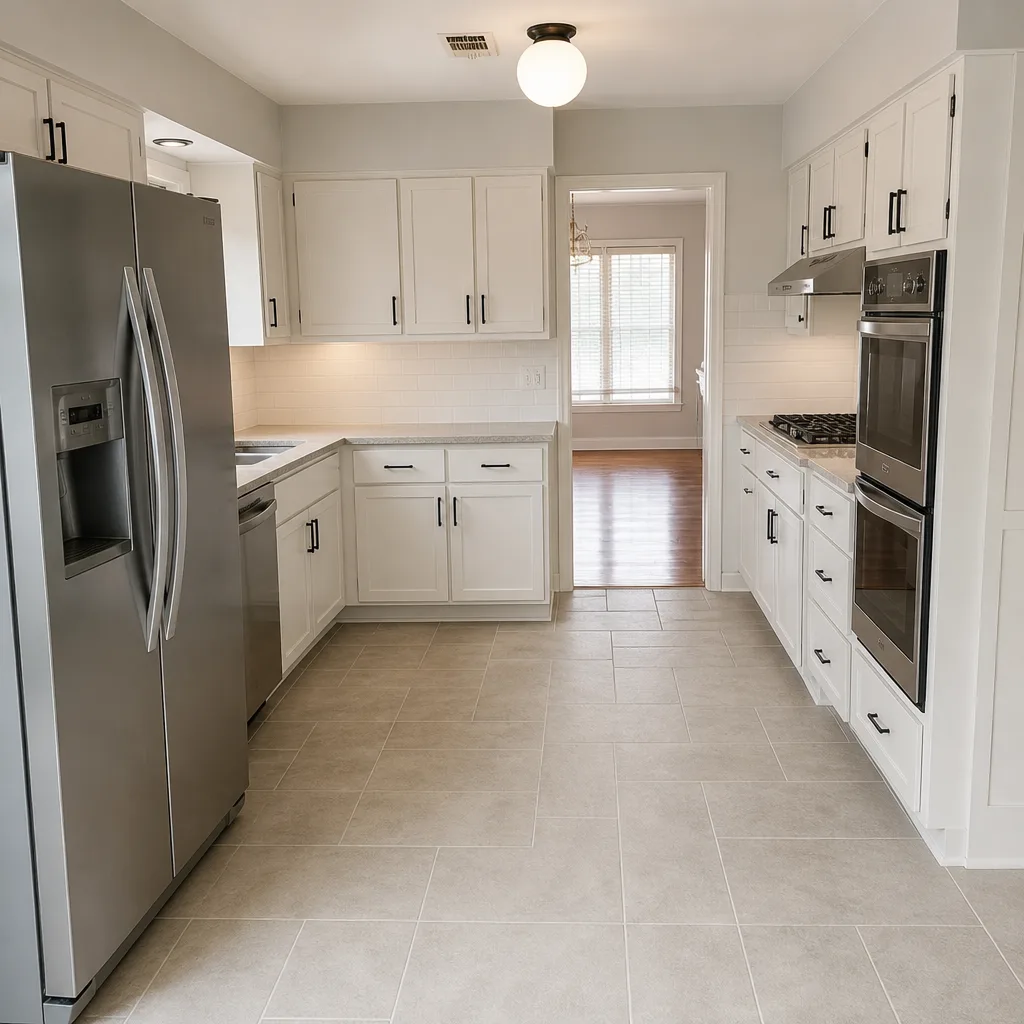 After
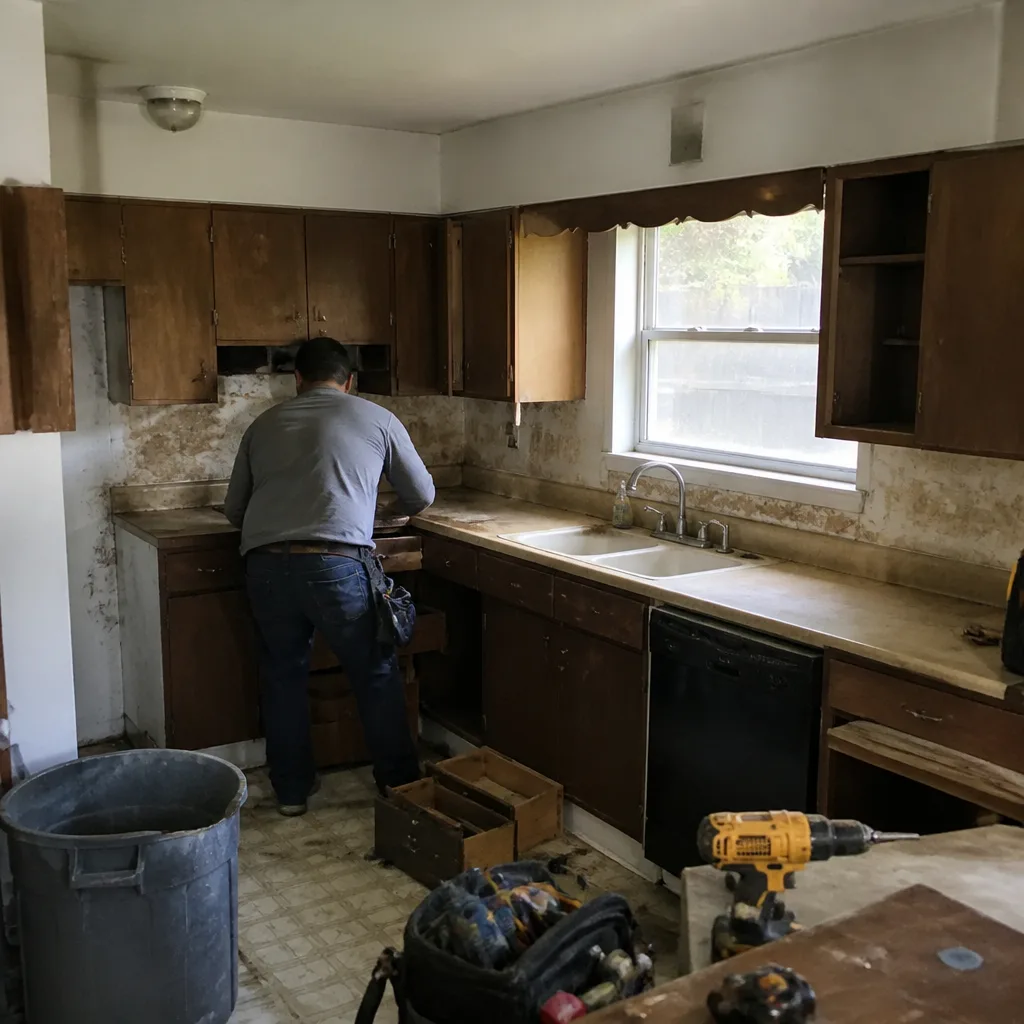 Before
 After
When to Call a Professional
Call a licensed general contractor when the project touches electrical circuits or the panel, any gas line, any new or relocated plumbing supply or drain, structural framing or a load-bearing wall, the roof or building envelope, or a bathroom or kitchen that needs more than a fixture swap. Call when you plan to finish a basement or attic, add or move a wall, or replace a window or exterior door. Call when the project requires a permit in Frisco, which is most of the list above. And call when a self-installed project has already failed once, because the second attempt is usually the more expensive one. Penhallow Remodeling Frisco offers free estimates in Frisco, and we are happy to tell you when a project is safe to do yourself and when the liability transfer justifies hiring. Call General Contractor in Frisco at (833) 954-5757 to schedule your free estimate.
Frequently Asked Questions

Any project that changes the structure, electrical, plumbing, gas, or building envelope of the home requires a permit in Frisco. That includes new electrical circuits, any new or relocated plumbing lines, gas work, structural changes or wall removal, roof replacement, window and exterior door replacement, decks and covered patios, and bathroom and kitchen remodels that touch plumbing or electrical. Cosmetic work like painting, trim, and fixture swaps on existing connections does not require a permit. Call (833) 954-5757 for a written quote that includes every permit.
Yes, an insurer can reduce or deny a claim if the loss traces back to work performed without a required permit or outside code compliance, particularly for water damage and fire. The homestead exemption protects the home from certain creditors, but it does not reverse a claim denial. Disclosing improvements to your insurer and keeping the permit and inspection record is the best protection. Call (833) 954-5757 to schedule a free estimate and plan the permit path before demo day.
You can replace a same-amperage fan on an existing circuit and existing vent, but adding a new circuit or a new vent penetration through the roof or wall is a permit project. The roof or wall penetration has to be flashed correctly or the fan leaks and the ceiling fails, which is a common insurance claim trigger. If the existing vent and circuit aren’t both already in place, bring in a licensed professional. Call (833) 954-5757 for a free estimate.
Permit costs in Frisco depend on the scope and the valuation of the project; they’re handled by the city and included as a line item on our written quote. On a typical bathroom remodel, the permit and inspection fees are a small fraction of total project cost, and they’re cheaper than correcting unpermitted work after inspection. We list every permit on the written quote before work begins. Call (833) 954-5757 for a written number you can hold us to.
A bathroom remodel in Frisco typically takes three to five weeks from permit to final inspection, and a kitchen remodel takes five to nine weeks depending on cabinetry lead times and countertop selection. The permit and inspection stage adds a small amount of time up front and protects you at resale and at claim time. We give you a real arrival window for every stage. Call (833) 954-5757 for a schedule based on your actual scope.
Yes. If a project is genuinely DIY-safe under Texas law and Frisco permit rules, we’ll say so, and we won’t pretend otherwise. That includes painting, trim, floating floors, fixture swaps, and hardware. Our Bathroom Remodeling in Frisco and Kitchen Remodeling in Frisco teams handle the projects that need permits and liability transfer, including General Contractor in Frisco services. Every project we do gets a written price before work starts and a 365-Day Done Right Promise. Call (833) 954-5757 to schedule your free estimate.
The Bottom Line
The DIY-versus-hire decision isn’t a skill contest. It’s a question of who carries the risk if the work fails. Cosmetic work on existing systems, including painting, trim, floating floors, fixture swaps, and patching, stays in your hands under Texas law and Frisco permit rules. Anything that touches electrical circuits, gas, plumbing supply or drain lines, structural framing, the roof or building envelope, and anything on the permit list crosses into liability territory. The homestead exemption doesn’t reach a denied claim, and unpermitted work surfaces at inspection and at resale. When the project crosses that line, the paper trail and the liability transfer are worth more than the labor you’d save.
Schedule Your Free Estimate

If you’re not sure which side of the line your project falls on, that’s the right question to bring to us. We give a written price before any work starts, name every permit in the scope, and back the work with a written 365-Day Done Right Promise. Call Penhallow Remodeling Frisco at (833) 954-5757 for a free estimate. A live person answers 24/7. Our technicians are background-checked, arrive in uniform, and we’ll tell you honestly when a project is safe to do yourself.
Written by the team at Penhallow Remodeling Frisco.