Last updated November 18, 2026
Free written scope consultation - allowances, timeline, and change-order rules on paper before a single trade is scheduled
Construction Cost Breakdown: The Frisco Homeowner’s Reference for 2026
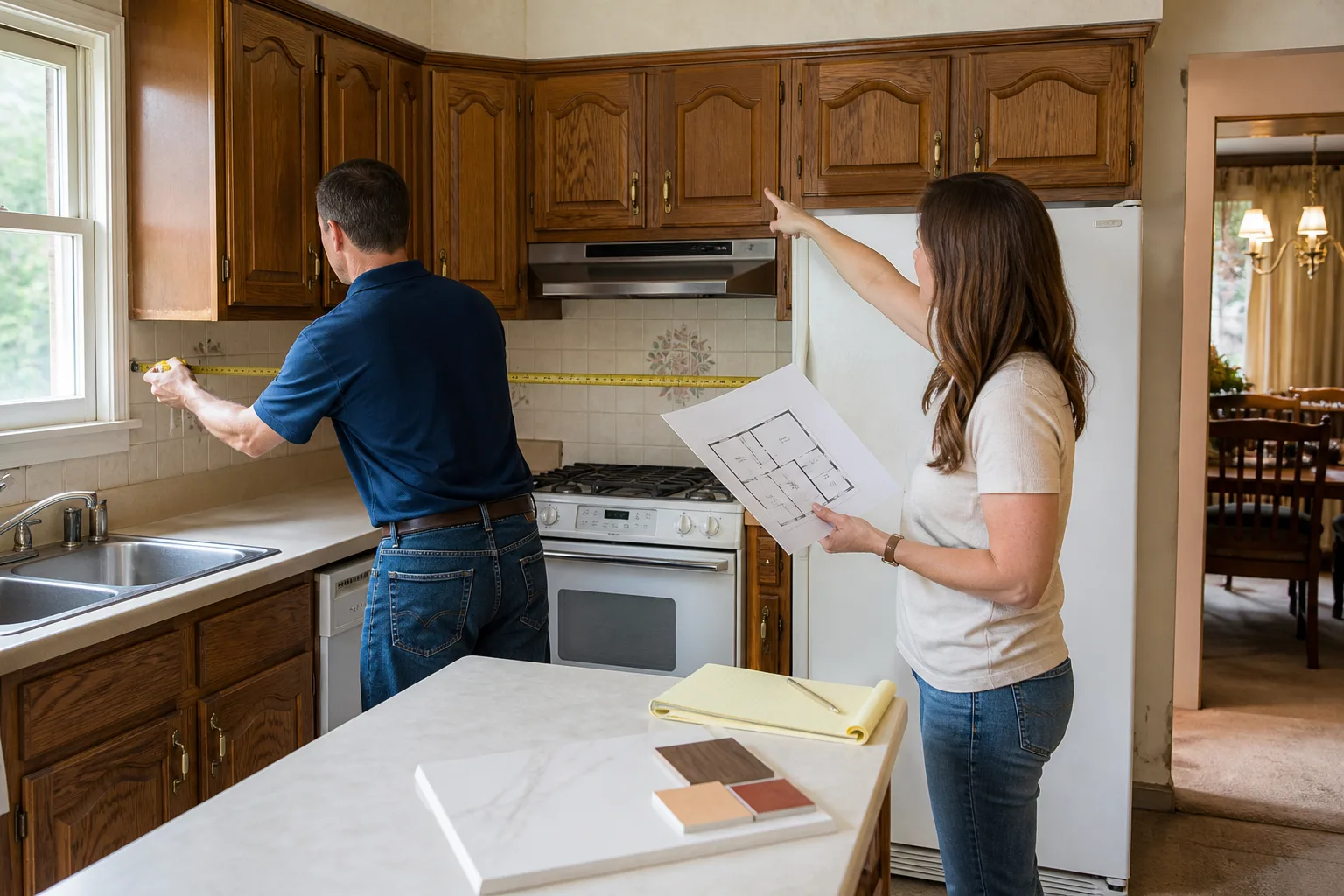
Here’s a number that surprises almost every homeowner we talk to. A kitchen remodel that runs $38,000 in Garland can come in at $52,000 in Frisco – and nobody is gouging anyone. The gap comes from things the national cost guides never mention: permit timelines that stall a job for weeks, HOA architectural review fees stacked on top of city fees, and delivery logistics into dense master-planned communities where a truck can’t just back up to a curb. This guide breaks down what you’re actually paying for in each line of a Frisco remodel, project by project, so the next bid you read makes sense.
Quick Answer
In Frisco, a mid-range kitchen remodel in 2026 typically runs $42,000-$68,000, a primary bathroom $22,000-$38,000, a primary suite addition $95,000-$160,000, an outdoor living build $28,000-$60,000, and a basement finish $45,000-$85,000. The spread in each range comes down to three things: finish level, whether your lot needs a soil report, and how much time your HOA’s architectural review adds to the schedule. Budget 10-15% contingency on top of any fixed price, because Frisco’s clay soil and slab foundations routinely hide surprises under the floor.
Styles & brands we work with
- Kitchen remodeling
- Bathroom remodeling
- Home additions & ADU
- Roofing
- Windows & doors
- Driveway & pavers
- Fence
Table of Contents
- What the Five Most Common Frisco Projects Cost in 2026
- The Frisco-Specific Cost Adders Nobody Quotes You
- How to Read a Contractor’s Cost Breakdown
- Fixed-Price vs. Cost-Plus: The Difference Worth Thousands
- What a Reasonable Contingency Looks Like on a Frisco Slab
- Why Frisco Costs More Than the DFW Average
- Neighborhood Notes: Where Costs Shift Within Frisco
- Common Mistakes to Avoid
What the Five Most Common Frisco Projects Cost in 2026
These ranges reflect what we see across Frisco bids and completed jobs in the current market. They assume standard construction, mid-grade finishes, and a single-story layout unless noted. If your project sits at the top of a range, it’s almost always material choice or structural work – not labor.
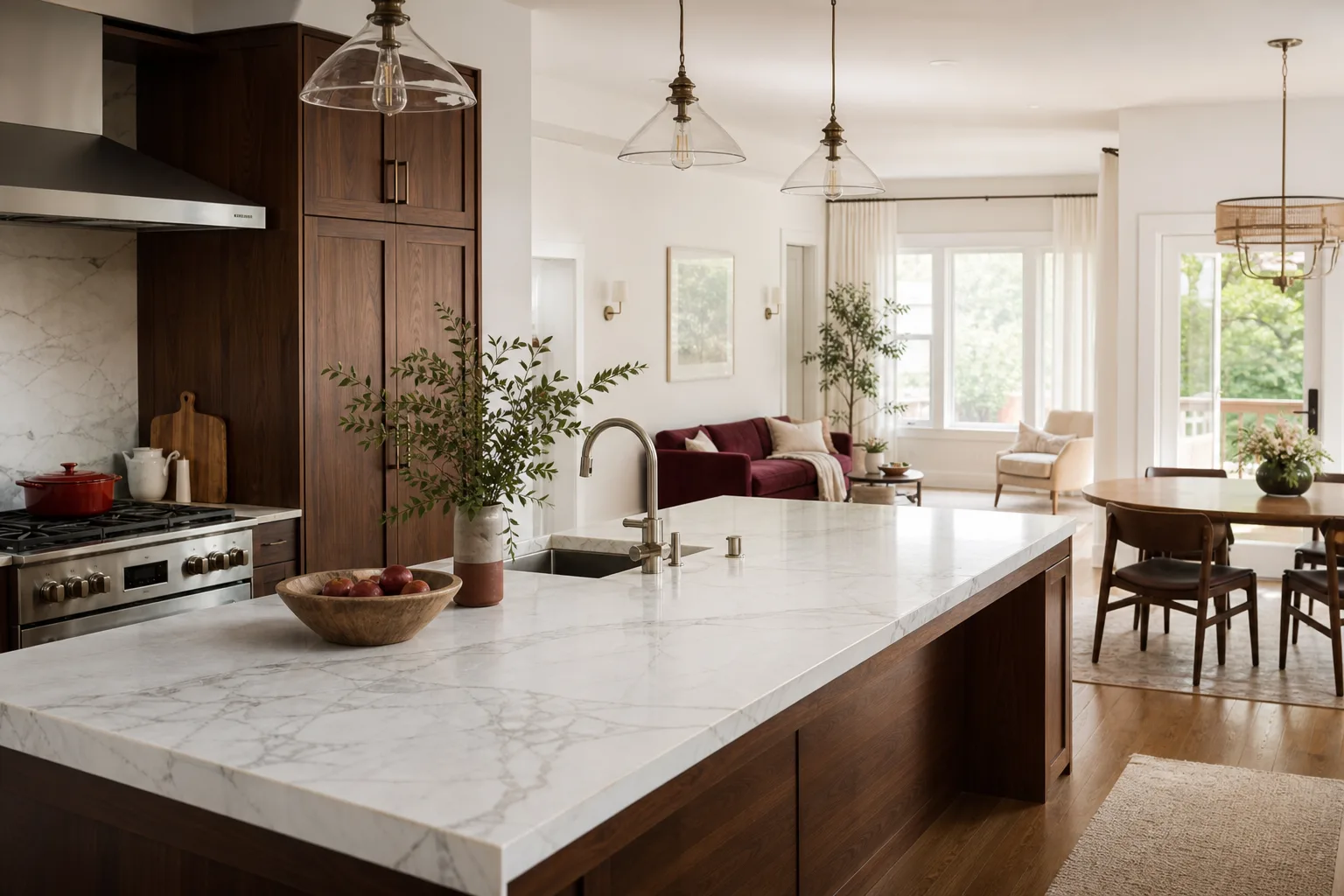
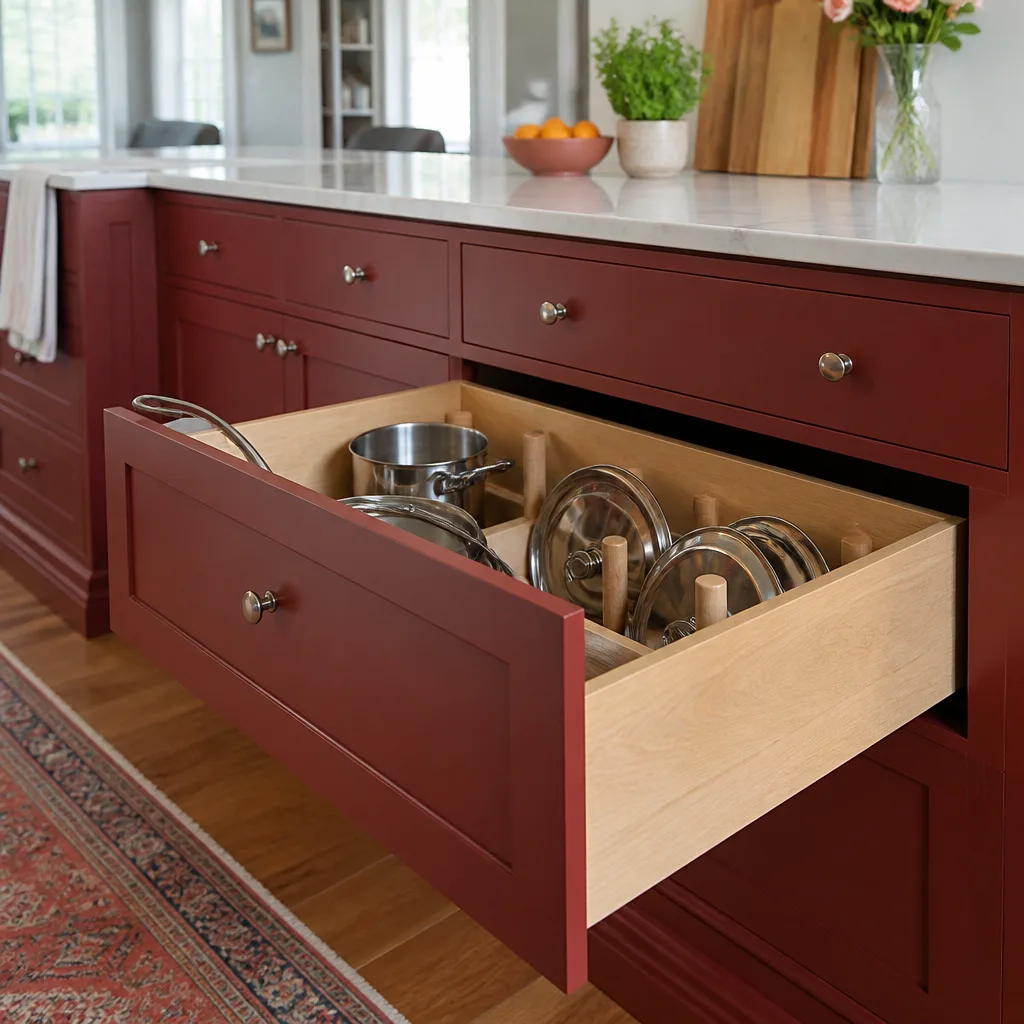
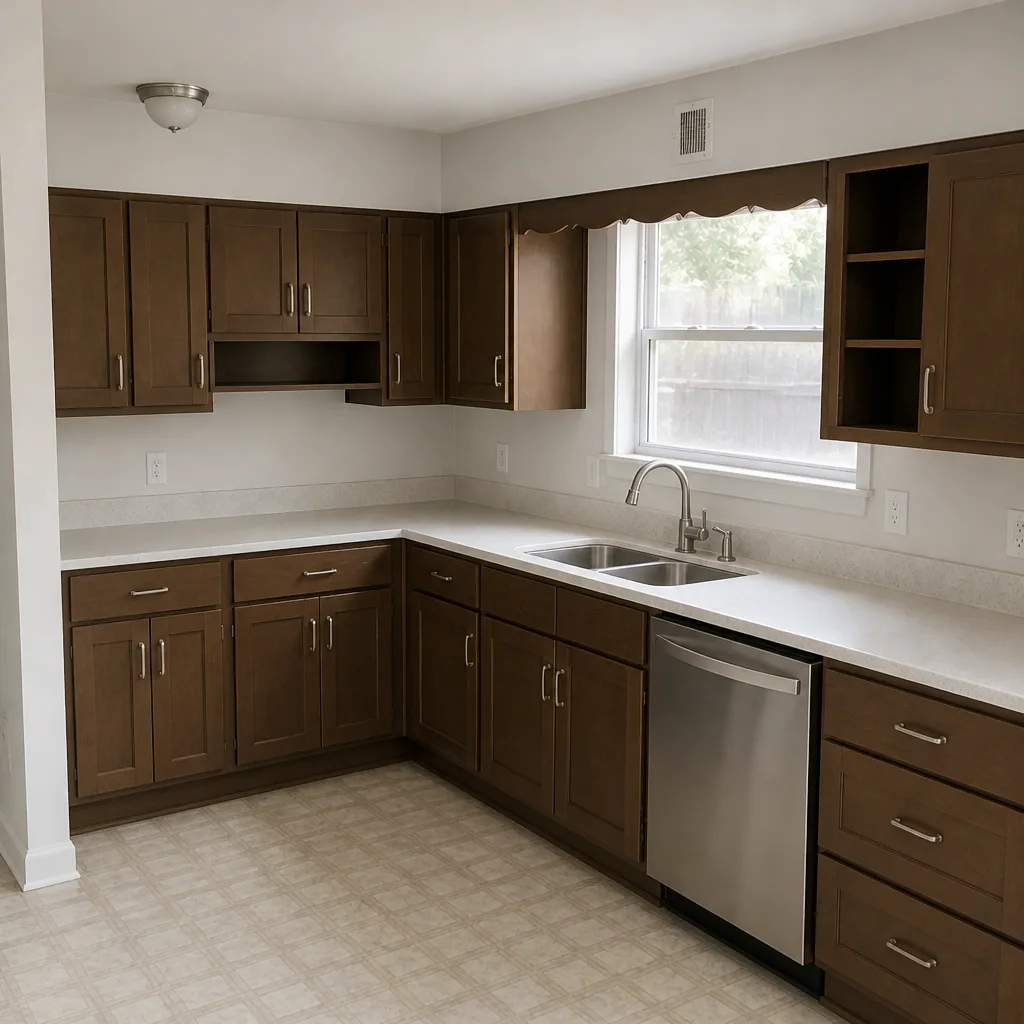
- Kitchen remodel: $42,000-$68,000. Cabinet line drives most of the swing. A KraftMaid or Wellborn semi-custom line lands mid-range; a full custom cabinet pushes the ceiling. Countertops in Caesarstone or Silestone sit comfortably; a premium slab adds $4,000-$9,000.
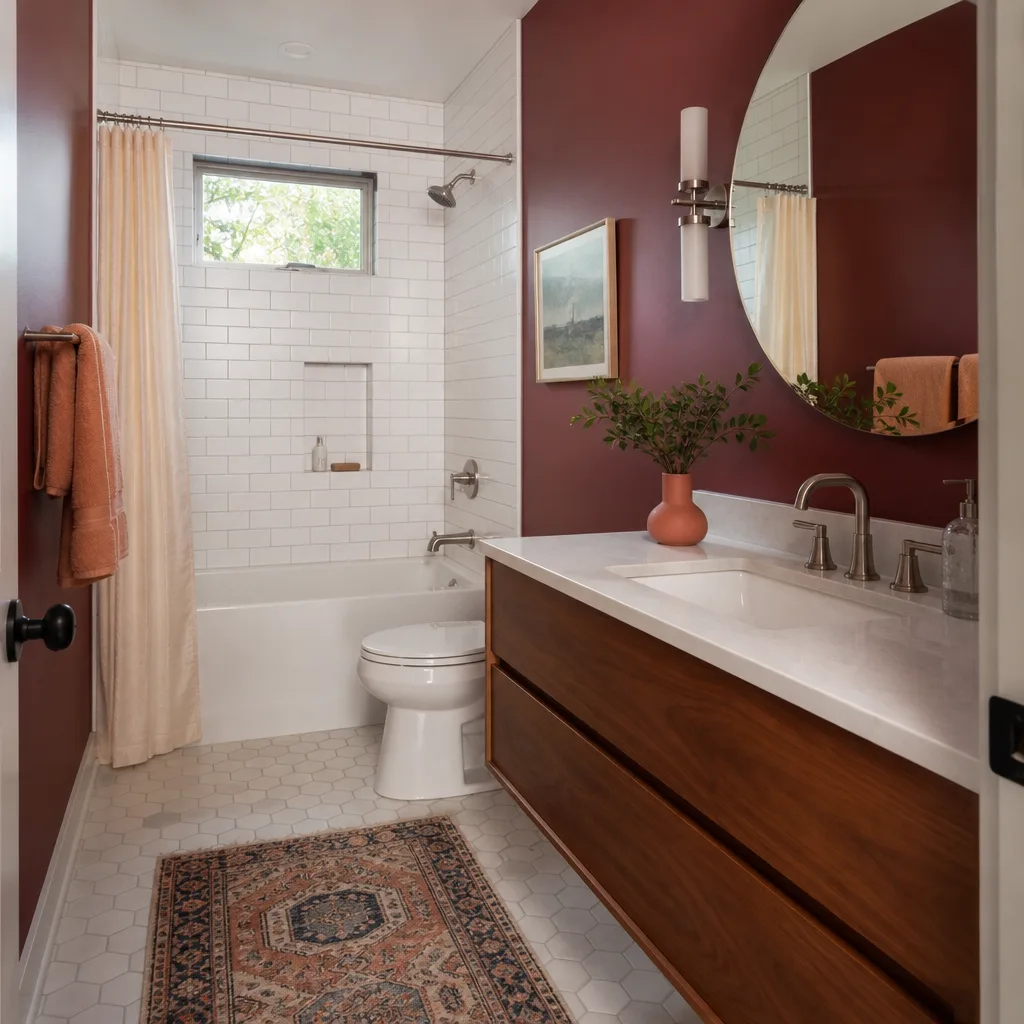
- Primary bathroom: $22,000-$38,000. The cost jump usually comes from relocating plumbing. A Kohler or Moen fixture package is a modest line item; moving a drain line is not.
- Primary suite addition: $95,000-$160,000. Foundation, framing, roofline tie-in, and a second HVAC zone are the big four. On Frisco’s slab lots, foundation prep and pier requirements can add $8,000-$20,000.
- Outdoor living (covered patio, pergola, outdoor kitchen): $28,000-$60,000. Belgard or Unilock pavers, a built-in grill, and a covered structure push toward the top. A simple pergola and patio run the low end.
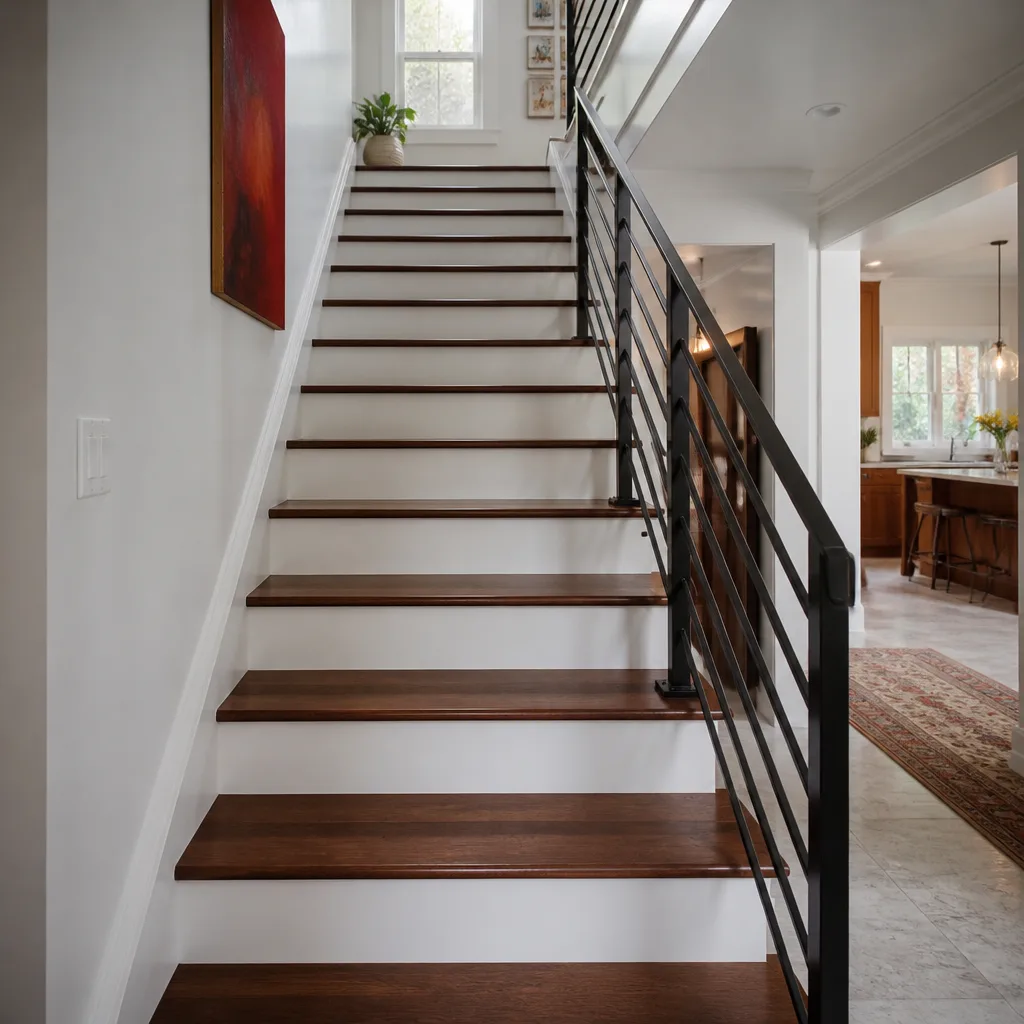
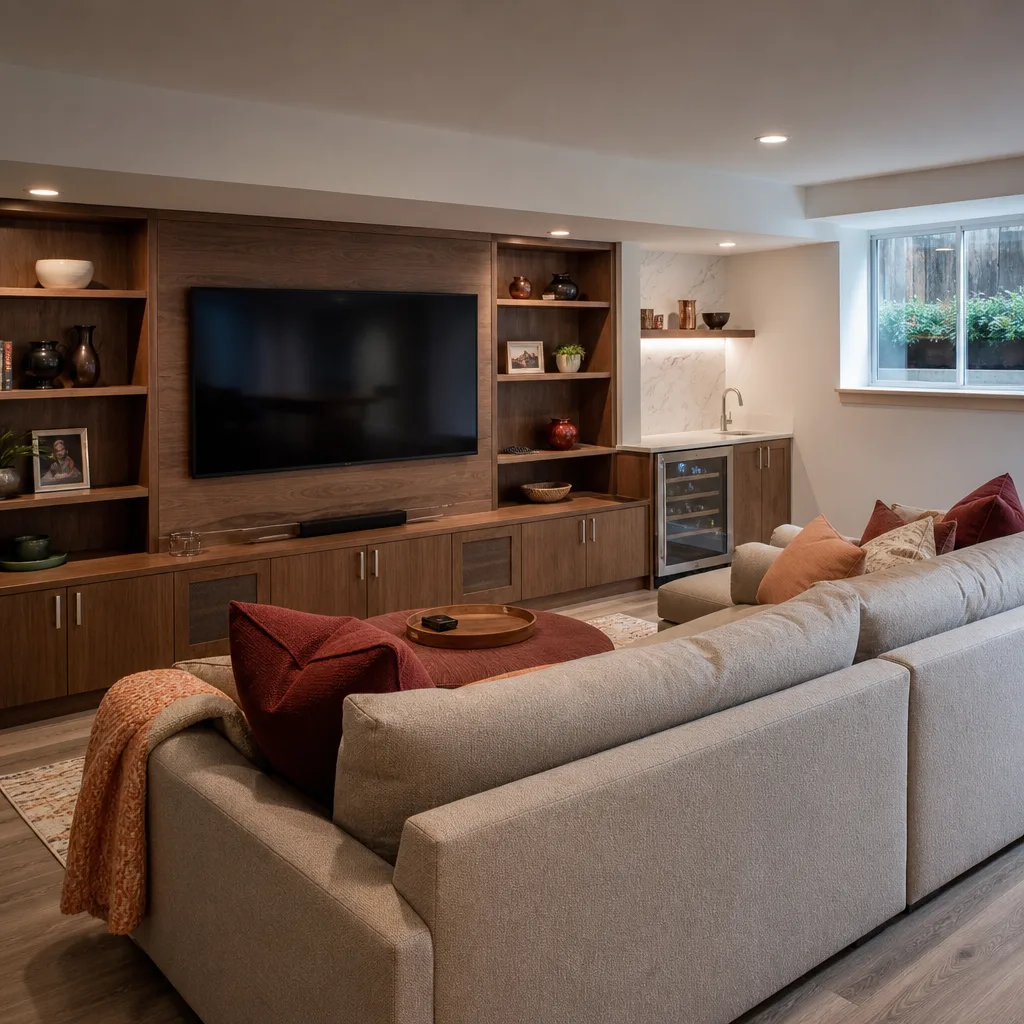
- Basement finish: $45,000-$85,000. Frisco basements are less common than in older Texas markets, so when one exists, finishing it means egress compliance, moisture barriers, and stair work that many contractors don’t quote honestly.
For a deeper look at what drives the kitchen number in particular, our Kitchen Remodeling in Frisco page walks through the cabinet-to-countertop cost ratio line by line.
The Frisco-Specific Cost Adders Nobody Quotes You
This is where the $14,000 gap between Garland and Frisco lives. Three overheads show up on almost every Frisco job and on almost no national cost guide.
- HOA architectural review fees. Most Frisco master-planned communities require design review before a permit is even pulled. Fees typically run $250-$750 per submission, and revisions cost more. The bigger cost is time: review cycles of two to six weeks mean crews sit idle or get rescheduled, and that scheduling friction shows up in the bid.
- City of Frisco permit fees by project type. Kitchen and bath remodels generally land a few hundred dollars in permit and inspection fees. Additions and structural work climb toward the $1,500-$3,000 range once engineering review is required. These are real costs and should appear as a line item, not folded into “misc.”
- Soil reports and foundation engineering. Frisco’s expansive clay soil and the age of some older neighborhoods mean many remodelers require a geotechnical report before touching a foundation for an addition or slab repair. That report runs $1,200-$2,500 and is non-negotiable on additions.
If a bid you receive has no line for HOA review, permit fees, or a soil report on an addition, ask why. It usually means one of two things: the contractor hasn’t done many Frisco jobs, or those costs are buried in a bigger line and will surface later.
How to Read a Contractor’s Cost Breakdown
A real cost breakdown separates labor, materials, and overhead so you can see which one is high. When a bid comes in heavy, this is how you find out why – and whether it’s worth negotiating.
- Labor in Frisco typically runs 40-50% of a remodel bid. If labor is well over half, either the scope is unusually intricate (tight tile work, structural changes) or the crew is overstaffed. Ask which.
- Materials land around 35-45%. This is the most negotiable line. Dropping a cabinet line one tier or picking a Silestone over a premium slab can save thousands without touching quality of installation.
- Overhead and profit at 15-25% is normal and healthy. Below 12% is a red flag that the contractor is thin and may not be around for the 365-day follow-up. Above 30% on a straightforward job, ask what’s included.
The honest test: a written breakdown you can hold in your hand, with a dollar figure next to every scope item, is a contractor who knows their number. A verbal ballpark or a one-page “estimate” with a single total is a number that changes after demo day. That’s why a written price before any work starts is our first standard on every project – the number on day one is the number on the invoice. Our General Contractor in Frisco page explains what documentation you should expect to see before you sign anything.
Fixed-Price vs. Cost-Plus: The Difference Worth Thousands
In a fast-moving market like Frisco’s, the contract type matters as much as the bid number. Here’s the plain difference.
A fixed-price contract states one total for a defined scope. If material prices rise or the crew hits a delay, that risk sits with the contractor, not you. Your number stays where it was written. A cost-plus arrangement charges you actual costs plus an agreed markup, which means material spikes and schedule delays are billed back to you. In a market where lumber, cabinetry lead times, and labor rates all move within a single project timeline, cost-plus can quietly add 8-15% to what you originally expected.
For most Frisco homeowners, fixed-price with a clearly written scope is the safer structure. Cost-plus has its place on highly custom or design-evolving projects where the final materials genuinely can’t be known up front. But if a contractor pushes cost-plus on a standard kitchen or bath remodel, ask what’s uncertain – if the answer is “material prices,” that’s a reason to price in a fair contingency, not to shift risk onto you. A fully written scope plus a fixed number plus a written guarantee on the back end is the combination worth paying a little more for. Our Bathroom Remodeling in Frisco page shows what that written scope looks like on a mid-range bath.
What a Reasonable Contingency Looks Like on a Frisco Slab
Frisco sits on expansive clay soil, and that soil moves with the seasons. On slab foundations, that movement shows up as cracked pipe, settled corners, and occasional differential movement that only surfaces once the floor is open. That’s why contingency isn’t padding – it’s the cost of dealing with a foundation that doesn’t tell you its problems until you’re in.
- Cosmetic remodels (kitchen, bath, cosmetic refresh): 10% contingency. Most surprises here are minor – unexpected framing, a pipe in the wrong spot, a non-standard joist.
- Projects touching plumbing or flooring on slab: 12-15%. Older Frisco neighborhoods in particular see cast iron or galvanized pipe that cracks on contact.
- Additions and structural work: 15-20%. Foundation conditions and soil report findings can shift the number meaningfully, and a foundation engineer’s report may recommend piers or moisture barriers you didn’t plan for.
A written contingency line is honest. A bid with no contingency either eats the cost (and cuts corners elsewhere) or bills it as a change order. Ask which one your contractor does.
Why Frisco Costs More Than the DFW Average
Frisco’s premium lot prices inflate material delivery costs, because staging and access in dense master-planned communities is harder than on a wide-open suburban lot. A lumber truck that backs easily into a Garland driveway may need a longer haul and a delivery window in Frisco. The local subcontractor pool is also thinner than the DFW average – the best electricians and tile setters are booked further out, and scheduling around their availability costs money in coordination time. Add the HOA architectural review process, and you have three pressures that push Frisco bids up even when the work is identical to a neighbor city. These aren’t extras a contractor invented; they’re the real cost of building here. Understanding them puts you in a better negotiating position, and it’s why we recommend shopping written bids across at least three Frisco contractors rather than comparing a Frisco bid against a Dallas one.
Neighborhood Notes: Where Costs Shift Within Frisco
Costs aren’t uniform across Frisco. Older neighborhoods near the original town center often carry higher plumbing and foundation contingency because the infrastructure dates to a different building era. Newer master-planned communities lean the other way on structural surprises but add HOA review time and strict architectural standards that limit material choices. Standard Pacific-era homes and the newer Toll Brothers builds differ in structural details that affect addition tie-ins. When you get a bid, ask the contractor how many projects they’ve done in your specific community – a crew that’s worked your neighborhood knows the driveway access, the review board preferences, and the foundation habits of the homes on your street. That local knowledge is worth real money on the back end.
Common Mistakes to Avoid
- Comparing a Frisco bid to a Dallas quote. The adders are real. Pitting a local bid against an out-of-area number leads to a cheap contractor who doesn’t know Frisco’s HOA landscape and bills you later.
- Skipping the soil report on an addition. A $1,500 report feels like an unnecessary fee until the foundation settles and the addition separates from the main house.
- Accepting a verbal estimate. A number said out loud is not a number. Ask for it in writing, signed, with scope.
- Choosing the lowest bid without reading the scope. The cheapest bid is often just the thinnest scope – fewer allowances, no contingency, no guarantee.
- Ignoring HOA review timing in the schedule. A two-week review added to a three-week permit window becomes five weeks of empty calendar. Factor it in before you demo.
- Budgeting with zero contingency on older Frisco foundations. The clay soil doesn’t care about your budget. Reserve 10-15% and hope you don’t need it.
- Assuming a written guarantee is standard. It isn’t. Ask each contractor to show you the guarantee in writing before you sign. The 365-day Done Right Promise, backed in writing on every project, is our standard – if something fails within the year, we return and fix it at no charge.
See the difference
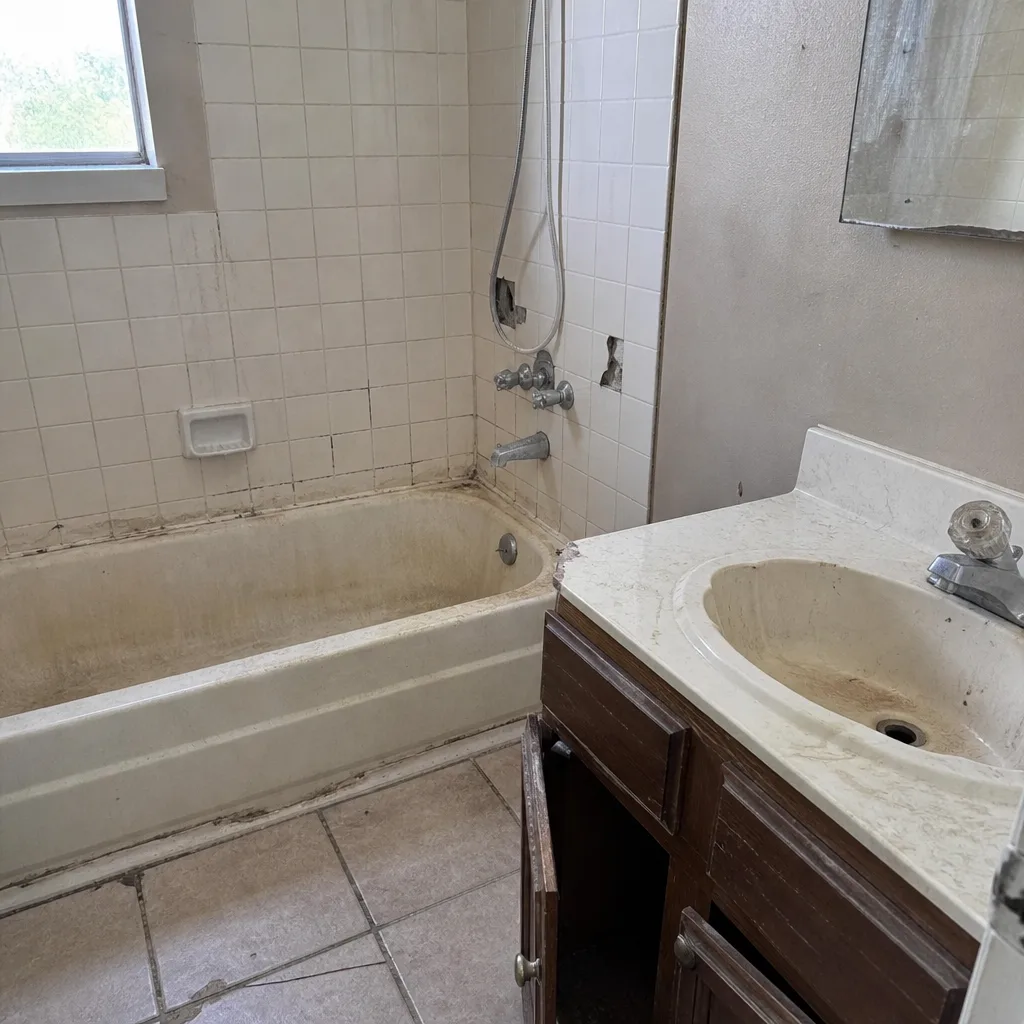 Before
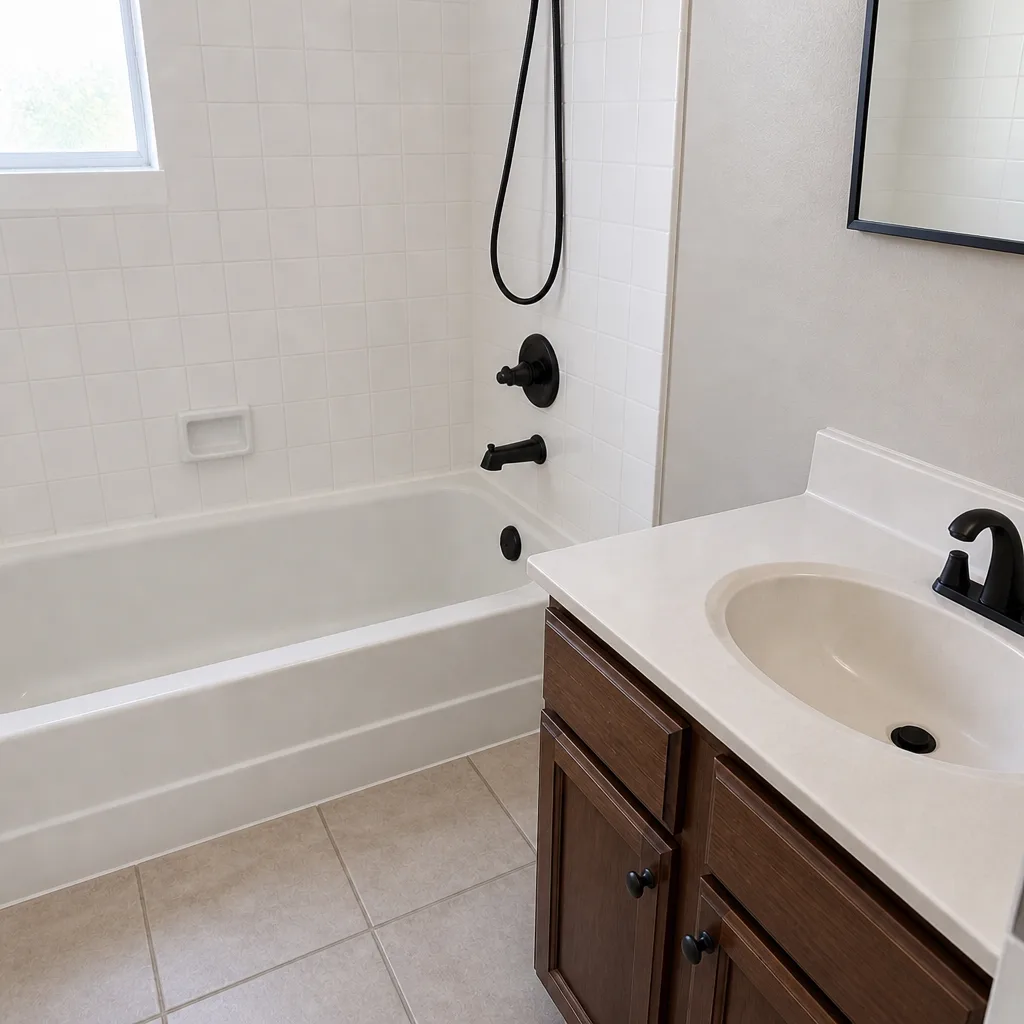 After
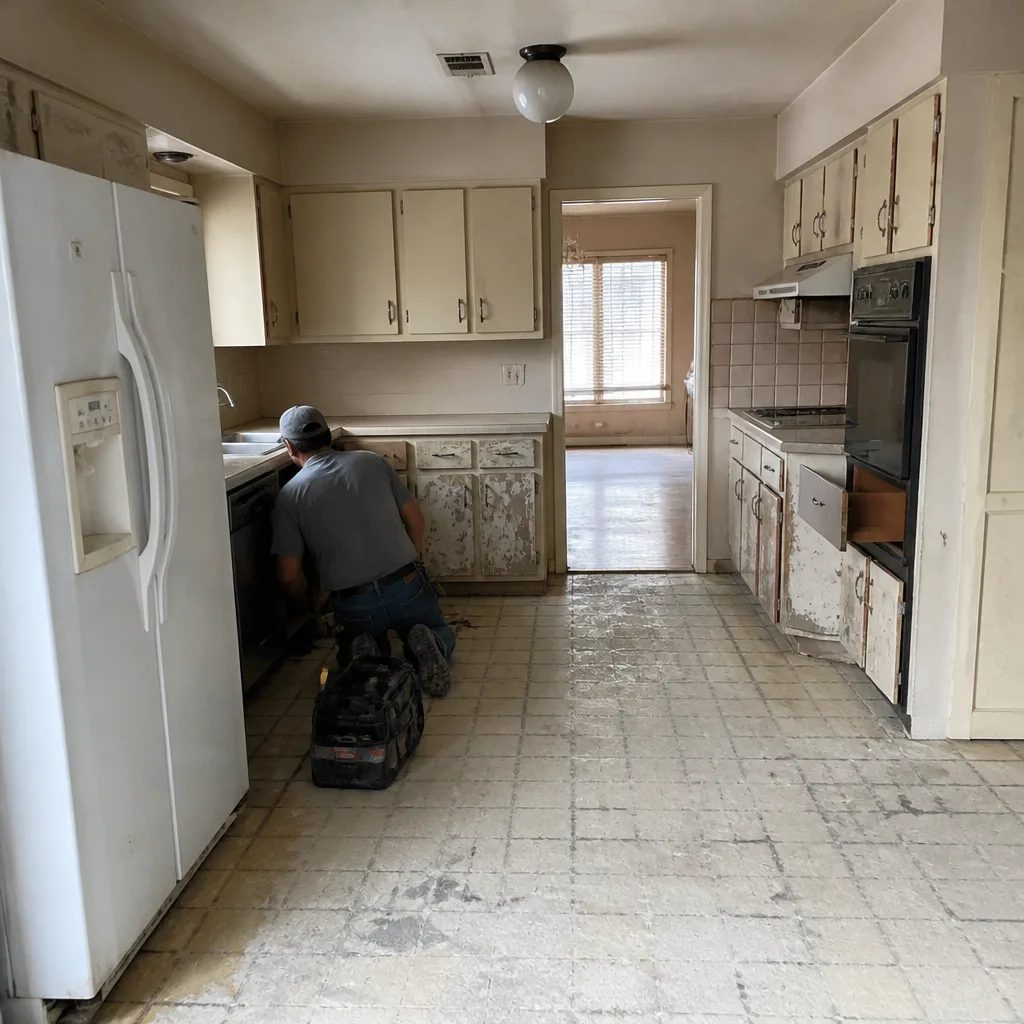 Before
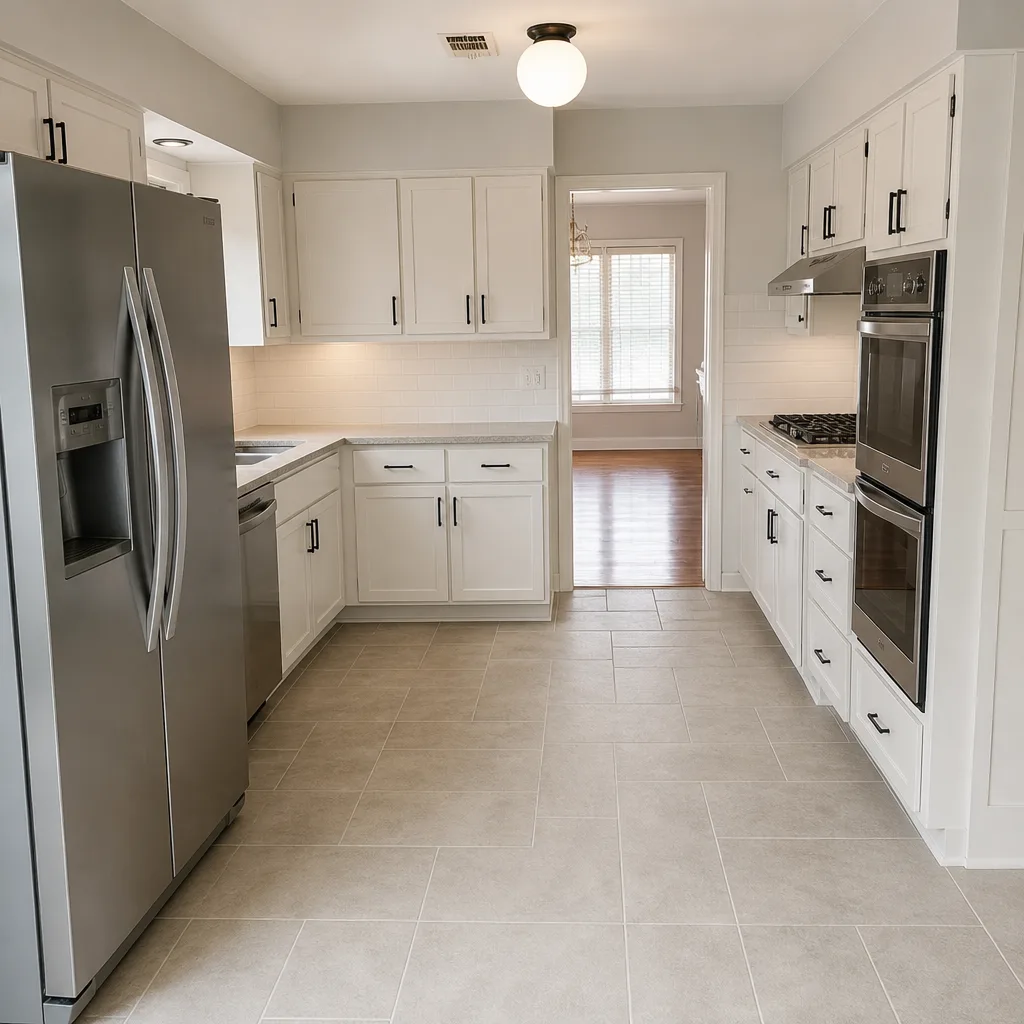 After
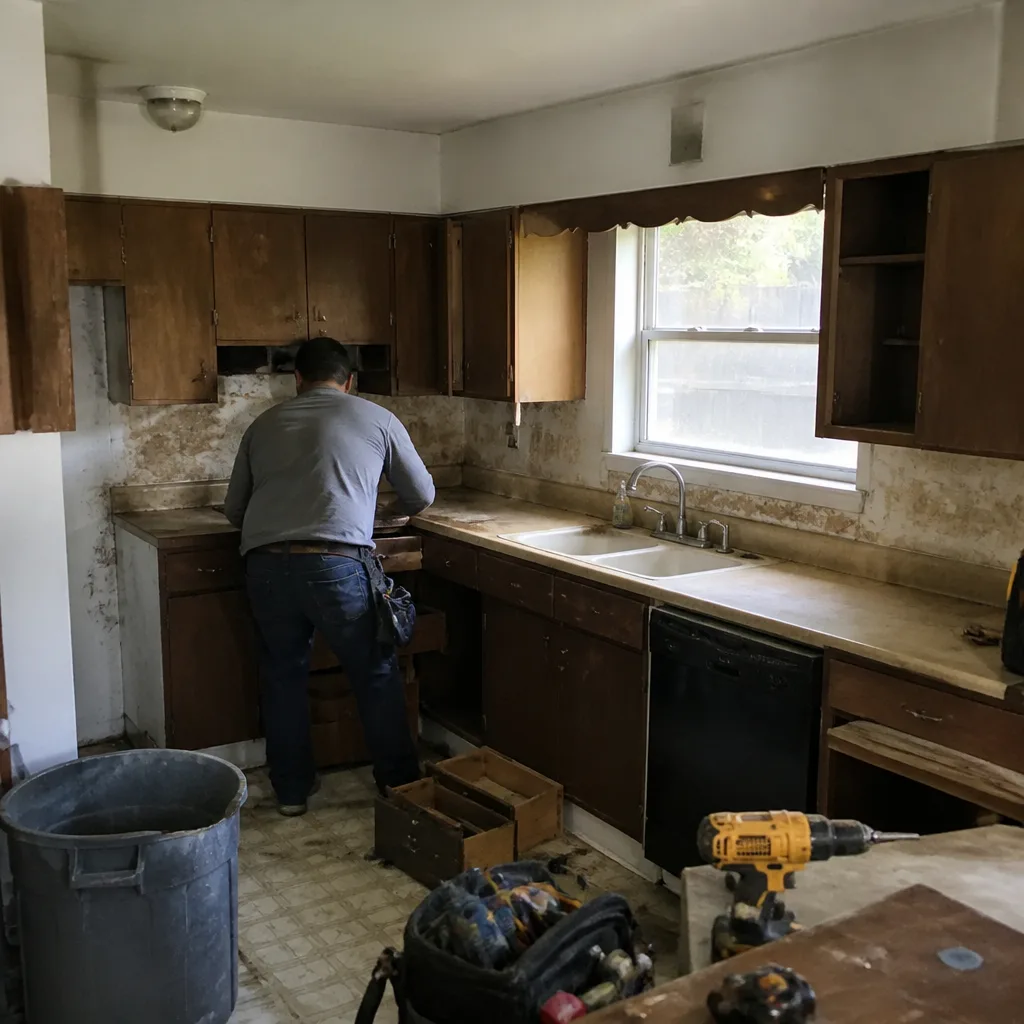 Before
 After
When to Call a Professional
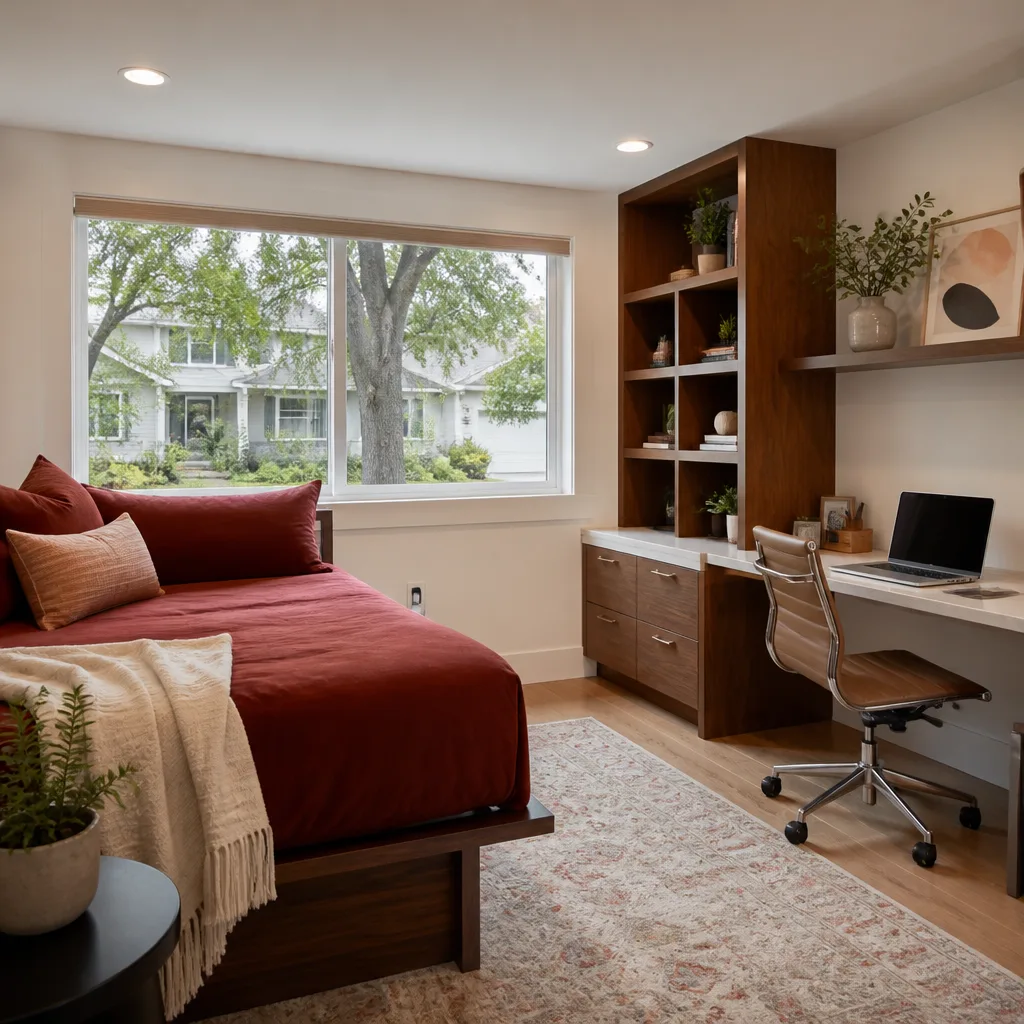
Some work belongs in the hands of a licensed contractor. If your project touches foundation, plumbing, gas, or electrical, or if your HOA requires architectural review, or if you’re planning a structural change like an addition, don’t try to price or run it yourself. The engineering, permit, and inspection chain in Frisco is not forgiving of shortcuts. The same goes for any project on a slab foundation showing cracks or settling – a free inspection will tell you whether it’s cosmetic or structural. Penhallow Remodeling Frisco offers free written estimates on kitchen, bath, and whole-home remodels – our technicians have up to 22 years of experience, arrive uniformed and background-checked, and we source from brands like Kohler, Moen, and Blanco so the products behind the guarantee are as solid as the promise. Call Penhallow Remodeling Frisco home to schedule yours at (833) 954-5757. A live person answers 24/7, and estimates are free.
Frequently Asked Questions
A mid-range kitchen remodel in Frisco runs $42,000-$68,000, with the largest variables being cabinet line, countertop material, and whether you’re moving plumbing or gas. Call (833) 954-5757 for an exact written quote on your specific layout – estimates are free.
Not on a fixed-price written contract with a clear scope and a written contingency line. The number on day one is the number on the invoice. If you receive a verbal estimate or a cost-plus arrangement, price shifts are common. Ask for the number in writing before you sign.
Yes – City of Frisco permits are pulled and inspections passed on every project, and we walk HOA architectural review with you so the submission doesn’t stall the schedule. Fees are line-itemed so you can see exactly what they cost.
A mid-range bathroom typically takes 4-6 weeks, a kitchen 8-12 weeks, and an addition 16-24 weeks, once permits and HOA review are complete. Add two to six weeks for HOA architectural review on projects that require it. Schedule changes are common right now, so ask your contractor for a realistic timeline in writing.
10% for cosmetic work, 12-15% for projects touching plumbing or flooring on slab, and 15-20% for additions and structural work. Frisco’s expansive clay soil means foundation surprises show up after demo, and a written contingency is how you handle them without a change-order battle.
Three converging pressures drive it: premium lot prices that raise delivery costs in dense master-planned communities, a thinner subcontractor pool than the DFW average, and HOA architectural review that adds real time to the schedule. None of these are a contractor’s invention – they’re the cost of building in Frisco. Call (833) 954-5757 and we’ll break down the adders on your project line by line.
The Bottom Line

Frisco remodeling costs are higher than the DFW average, and now you know exactly why: HOA review, permit fees, soil reports, and delivery logistics that national cost guides don’t account for. In 2026, a mid-range kitchen runs $42,000-$68,000, a primary bath $22,000-$38,000, and an addition $95,000-$160,000, with a 10-20% contingency on top depending on scope. The rest comes down to the contract: a fixed-price written number beats a cost-plus arrangement worth thousands of dollars of risk. Get your bid in writing, understand what drives the number, and hold the contractor to it. The 365-Day Done Right Promise and free return visit if a repair fails are the back-end protection that makes a Frisco remodel worth doing once, correctly.
Penhallow Remodeling Frisco offers free written estimates on every project. Call (833) 954-5757 to schedule yours – a live person answers 24/7.
Written by the team at Penhallow Remodeling Frisco.