
Last updated November 18, 2026








Free written scope consultation - allowances, timeline, and change-order rules on paper before a single trade is scheduled
Seasonal Construction Care for Frisco: Year-Round Homeowner’s Guide
Frisco averages a July high above 96°F, and its January lows dip below freezing. That’s a swing of more than 130 degrees across a single year, wider than most U.S. cities ever see. That swing is the real reason caulk fails here, wood moves, and your HVAC works harder than the manufacturer’s spec assumed. It’s also why a generic “spring cleaning” checklist won’t protect a Frisco home. What follows is a month-by-month calendar built around Frisco’s actual weather pattern, the prep steps that matter before spring storms, and what to watch in the first 90 days after a remodel.
Quick Answer
Frisco homes need seasonal care tuned to a wide annual temperature swing, not four equal seasons: exterior work and sealing are best done in the dry late-September-to-November window, storm prep belongs in early spring, and pipe and exterior freeze prep belongs in the short but sharp winter. The single most important habit is checking caulk, grout, and exterior seals twice a year, in March and again in October, because that is when Frisco’s expansion and contraction cycles do the most damage.
Styles & brands we work with
- Kitchen remodeling
- Bathroom remodeling
- Home additions & ADU
- Roofing
- Windows & doors
- Driveway & pavers
- Fence
Table of Contents
- Why Frisco’s Climate Breaks the Standard Seasonal Template
- The Month-by-Month Frisco Maintenance Calendar
- Why Late September Through November Is Frisco’s Best Exterior Window
- Spring Severe Weather Prep: Roof, Gutters, Drainage, and Window Seals
- Summer Heat and the First 90-Day Cure After a Remodel
- Winter Freeze-Thaw Prep for Frisco Homes
- Planning a Remodel Around Frisco’s Seasons
Why Frisco’s Climate Breaks the Standard Seasonal Template
Most seasonal maintenance guides are written for a climate that doesn’t exist here. They assume a cold winter, a mild summer, and a long, gentle spring. Frisco doesn’t cooperate. We have a summer that pushes materials to expand for months on end, a fall that dries out and cools fast, a spring that brings heavy rain and hail, and a winter that can swing 60 degrees in a single week.
That pattern matters because building materials move. Wood swells in humid heat and shrinks when the air dries. Caulk stretches and pulls away from a joint after enough cycles. Grout cracks where tile and substrate expand at different rates. None of this is a defect in the material. It’s the material responding to a climate that tests it harder than most.
We’ve seen this repeatedly across Frisco neighborhoods. In newer developments around Starwood and Phillips Creek Ranch, where homes are often five to fifteen years old, we regularly find failed exterior caulk on the sunny south and west faces while the shaded north side is still holding. The sun exposure, not the age of the house, is what drives the failure.
The practical takeaway: treat Frisco as a climate with two critical checkpoints a year. Inspect and reseal in early spring, before the rainy season, and again in early fall, before the dry cold arrives. Everything else in this guide builds on that rhythm.
The Month-by-Month Frisco Maintenance Calendar
Here’s the calendar we’d hand a Frisco homeowner. It’s organized around weather, not the calendar on your wall.
- January: Check for freeze damage. Walk the exterior after any hard freeze and look for cracked hose bibs, split caulk lines, and any pipe that runs through an unheated garage or attic space. Insulate exposed pipes before the next cold snap.
- February: Inspect the attic and crawl space for moisture. Winter condensation shows up here first. Recheck weatherstripping on doors and windows.
- March: The big spring inspection. Roof, gutters, downspouts, window seals, and exterior caulk. Clear debris from gutters before the heavy rain arrives.
- April: Test drainage away from the foundation. Look at the grade and the sump or French drain if you have one. Check the roofline for lifted or missing shingles after early storms.
- May: Service the HVAC before the first 95°F week. Check exterior paint for blistering on the sunny faces.
- June: Look at interior caulk around tubs, sinks, and counters. Summer heat and humidity stress these joints too.
- July: Watch grout lines in tiled areas. Peak heat is when hairline cracks appear. Note them; don’t ignore them until fall.
- August: Check the attic ventilation and any exterior wood for signs of heat damage. Recheck that recently painted surfaces are curing evenly.
- September: Fall inspection. Reseal exterior joints, check the roof, and start planning any exterior remodeling you want done before winter.
- October: The best month for exterior work. Book early. Clear gutters again after the first leaf drop.
- November: Final freeze prep. Disconnect hoses, insulate exposed pipes, seal any gaps around windows and doors before the cold sets in.
- December: Interior checks. Look for drafts, condensation on windows, and any sign of moisture where walls meet the ceiling.
One note on the calendar: Frisco’s building code and inspection schedule can affect timing if you’re planning a project. Permits and inspections take time, and we pull the permits and pass the inspections as a standard part of every job, so nothing gets skipped when the weather window is tight. If you’re working with a general contractor in Frisco, ask how the schedule accounts for the fall window before you sign anything.
Why Late September Through November Is Frisco’s Best Exterior Window
If you’re planning exterior work, late September through November is the highest-value window on the Frisco calendar. The air dries out, temperatures settle into a comfortable range, and the rainy spring is still months away. That combination is what exterior materials want: dry, moderate conditions so paint cures evenly, caulk bonds properly, and James Hardie siding goes on without absorbing moisture it will hold for years.
Here’s what makes that window valuable for a specific project type. James Hardie fiber cement siding is engineered to resist moisture and temperature swings, but it still needs to be installed and painted in conditions that let the paint film form correctly. Install it during a wet or cold stretch and you’re setting up the finish to fail early. Install it in October and it has the best chance of lasting the way it’s supposed to.
Book it early. The fall window is short, roughly six to eight weeks of genuinely good weather, and it fills up. Homeowners in Newman Village and Richwoods who wait until mid-October to start planning exterior work often end up waiting until spring. If you want the fall slot, start the conversation in late summer.
For a full remodel, the fall window also matters for sequencing. Exterior work happens first, when the weather is dry. Interior work, like a bathroom remodel in Frisco, can run through the fall and winter without weather risk, which makes the fall a natural start point for a project that touches both inside and out.
We give every homeowner a written price before any work starts, so you know what the fall window costs before you commit to it. That number doesn’t change once the crew shows up.
Spring Severe Weather Prep: Roof, Gutters, Drainage, and Window Seals
Frisco’s spring brings the heaviest rain and the most hail risk of the year. The prep you do in March and April is what protects the house through it. This is not the season to skip inspections.
Work through these four areas in order:
- Roof: Look for lifted, cracked, or missing shingles from the previous storm season. Check the flashing around chimneys and vents. GAF shingles are a common choice here, and a proper inspection catches the small failures before they become leaks.
- Gutters: Clear debris from gutters and downspouts. Check that downspouts discharge water at least a few feet away from the foundation, not right against it.
- Drainage and sump: Confirm the grade slopes away from the house. If you have a French drain or sump system, test it before the heavy rain arrives, not after. Water that pools against a Frisco foundation in spring finds its way into a crawl space or a slab joint.
- Window seals: Check caulk and weatherstripping around every window and door. A failed seal lets wind-driven rain into the wall cavity, and that moisture shows up months later as a stain on the ceiling.
We’ve seen this pattern often in Frisco: a homeowner finds a water stain in July and traces it back to a window seal that failed in April. Catching it in March costs a tube of caulk. Catching it in July can mean drywall repair and a mold inspection.
If any of this is beyond a visual check, especially the roof, call a professional. Roof work at height is genuinely dangerous, and a fall from a Frisco roofline is not worth the savings on an inspection.
Summer Heat and the First 90-Day Cure After a Remodel
Frisco’s summer heat is hard on new construction. Materials installed in spring are still curing when the first 100°F week hits, and that’s when you’ll see the first signs of how a job was done.
Here’s what to watch in the first 90 days after a remodel:
- Caulk: New caulk around tubs, sinks, and windows can pull away as the joint expands in the heat. Small gaps are normal early on. Large ones aren’t.
- Grout: Hairline cracks in grout lines are the most common summer issue in tiled showers. If a crack grows or water gets behind it, that’s a callback.
- Painted surfaces: Fresh paint cures as it dries, and in a hot, dry summer it can cure unevenly. Watch for blistering or peeling on exterior paint, especially on the sunny south and west faces.
- Wood trim and cabinets: Wood moves with humidity. Doors that stick in July often free up in October. Check cabinet doors and drawer fronts for alignment.
This is where a written guarantee earns its keep. Our 365-Day Done Right Promise means if something fails inside the first year, we come back and fix it at no charge. If a repair fails, we return for a free second visit, no service call and no re-inspection fee. That matters in a climate where the first summer is the real test of every joint and every finish.
We install Schluter waterproofing systems in wet areas, which is one of the reasons a shower done right in Frisco holds up through the first hard summer. The membrane handles the movement that grout alone can’t.
Winter Freeze-Thaw Prep for Frisco Homes
Frisco’s winter is short but sharp. The average January low dips below freezing, and a single week can swing 60 degrees. That freeze-thaw pattern is what causes real damage: water gets into a crack, freezes, expands, and widens the crack. Repeat that a few times and a small gap becomes a leak.
Prep before the first hard freeze:
- Disconnect garden hoses and shut off exterior hose bibs if they have a shutoff valve.
- Insulate any exposed pipe that runs through a garage, attic, or exterior wall.
- Seal gaps around windows and doors, especially on the north and east faces where cold air pushes in.
- Check the exterior caulk lines one more time. A hairline gap in November can be a cracked joint by February.
- Know where your main water shutoff is and make sure it turns freely.
We’ve seen freeze damage catch people off guard in Frisco because the winters here don’t feel severe. A pipe in an unheated garage or a north-facing hose bib is the usual culprit. The fix is cheap if you do it in November. A burst pipe inside a wall is a different order of problem.
If you’re planning an interior project through the winter, like a kitchen remodel in Frisco, winter is actually a reasonable time to do it. The weather risk is low for interior work, and the crew isn’t competing with the fall exterior rush.
Planning a Remodel Around Frisco’s Seasons
If you’re thinking about a larger project, the season you start in shapes the schedule. Here’s how we’d sequence it for a Frisco home.
Fall is the best time for exterior work and the best time to start a project that touches both inside and out. Spring is best avoided for exterior painting and siding because of the rain, but it’s a fine time for interior work. Summer is workable but slower, because the heat tests every finish and the crew has to work around it. Winter is the quietest window for interior projects.
Whatever the season, the process is the same with us. Every homeowner gets a written price before any work starts. Technicians are background-checked and arrive in uniform, so you know who is in your home. A live person answers the phone whenever you call, not a voicemail prompt. Materials come from brands we trust, like James Hardie siding and Schluter waterproofing, so the products behind the guarantee are as solid as the promise. You can see the full range of what we do, from bathroom remodeling to a whole-home build, on the Penhallow Remodeling Frisco home page.
One thing to plan around: permits and inspections are part of the schedule. We pull the permits and pass the inspections on every job, and that takes time. Build it into your timeline from the start and you won’t be surprised when the inspection date lands in the middle of a weather window.
Common Mistakes to Avoid
- Treating spring as the only inspection season. Frisco needs two checkpoints: March for storm prep and September for freeze prep. Skipping the fall check is how a hairline joint becomes a leak by January.
- Waiting until October to book exterior work. The fall window is narrow. Homeowners who start planning in late summer get the good weather. Homeowners who start in mid-October usually end up waiting for spring.
- Ignoring caulk failure on the sunny faces. The south and west sides of a Frisco house take the most sun and fail first. Walking only the shaded sides gives you a false sense that everything is fine.
- Assuming a new build doesn’t need seasonal care. Newer Frisco neighborhoods have plenty of homes in the five-to-fifteen-year range where the first round of caulk and seal failure shows up. Age doesn’t protect you from the climate.
- Skipping the roof inspection because it looks fine from the ground. Hail damage and lifted shingles are hard to see from the driveway. A ground-level look is not an inspection, and the roof is not a place to climb without training.
- Letting a small grout crack wait until “next year.” In a tiled shower, water gets behind a crack in a single season. Small cracks stay small only if you fix them.
- Disconnecting hoses late. A hard freeze can arrive in Frisco before you’ve disconnected the hose. Do it in November, not when the forecast shows a freeze.
See the difference
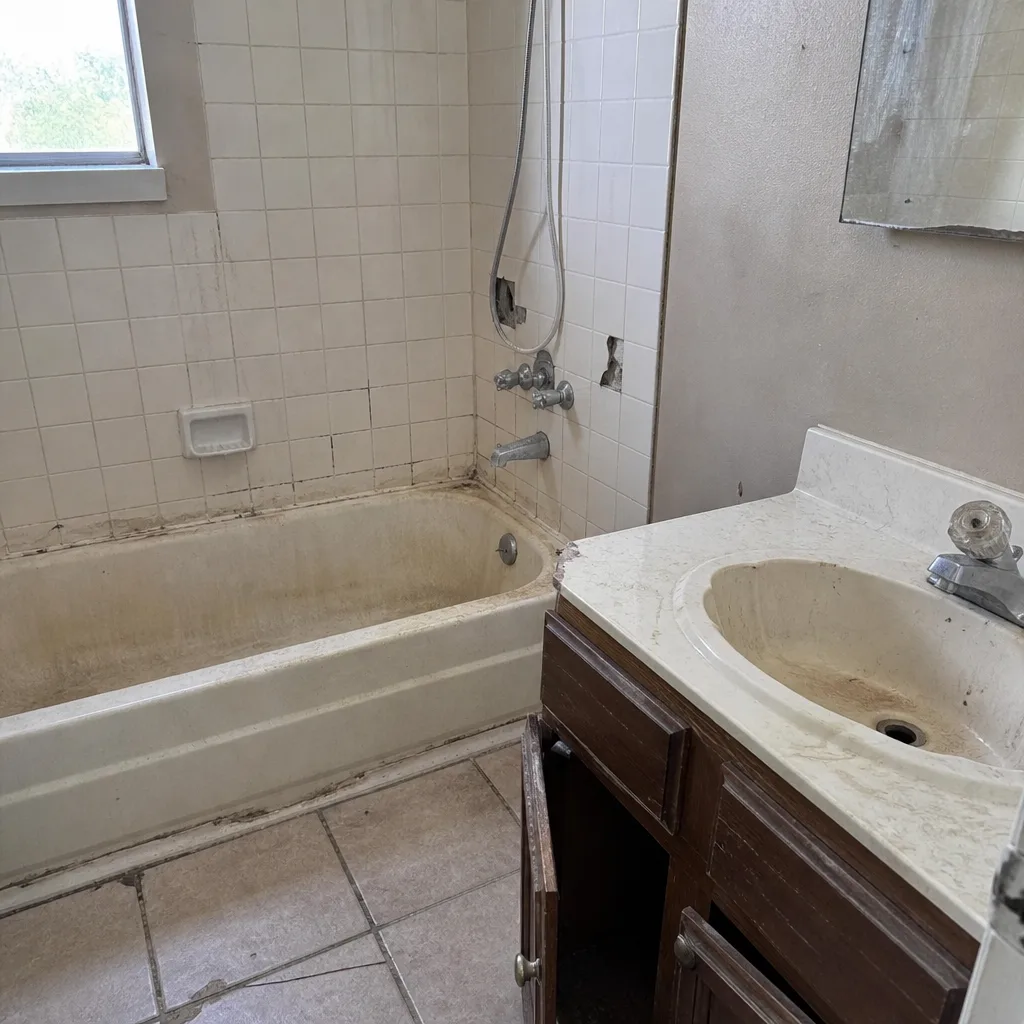 Before
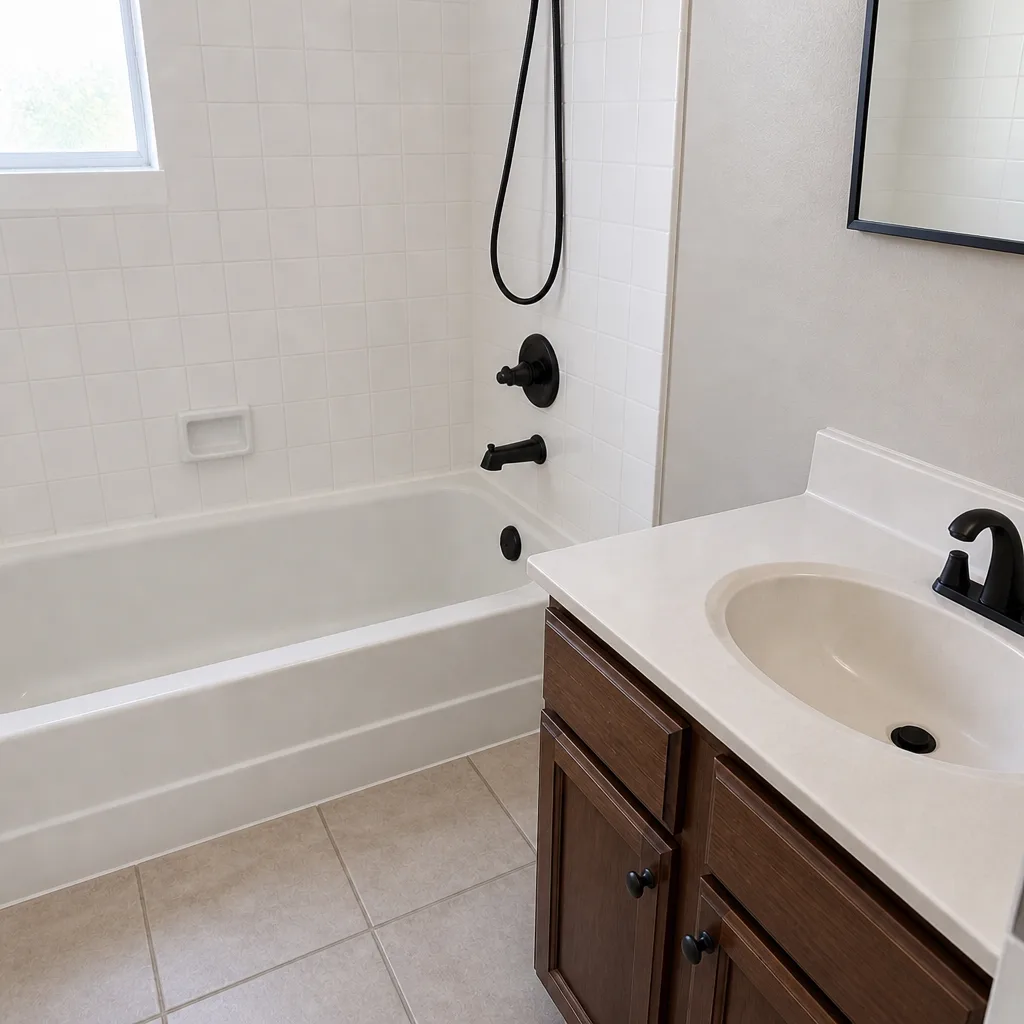 After
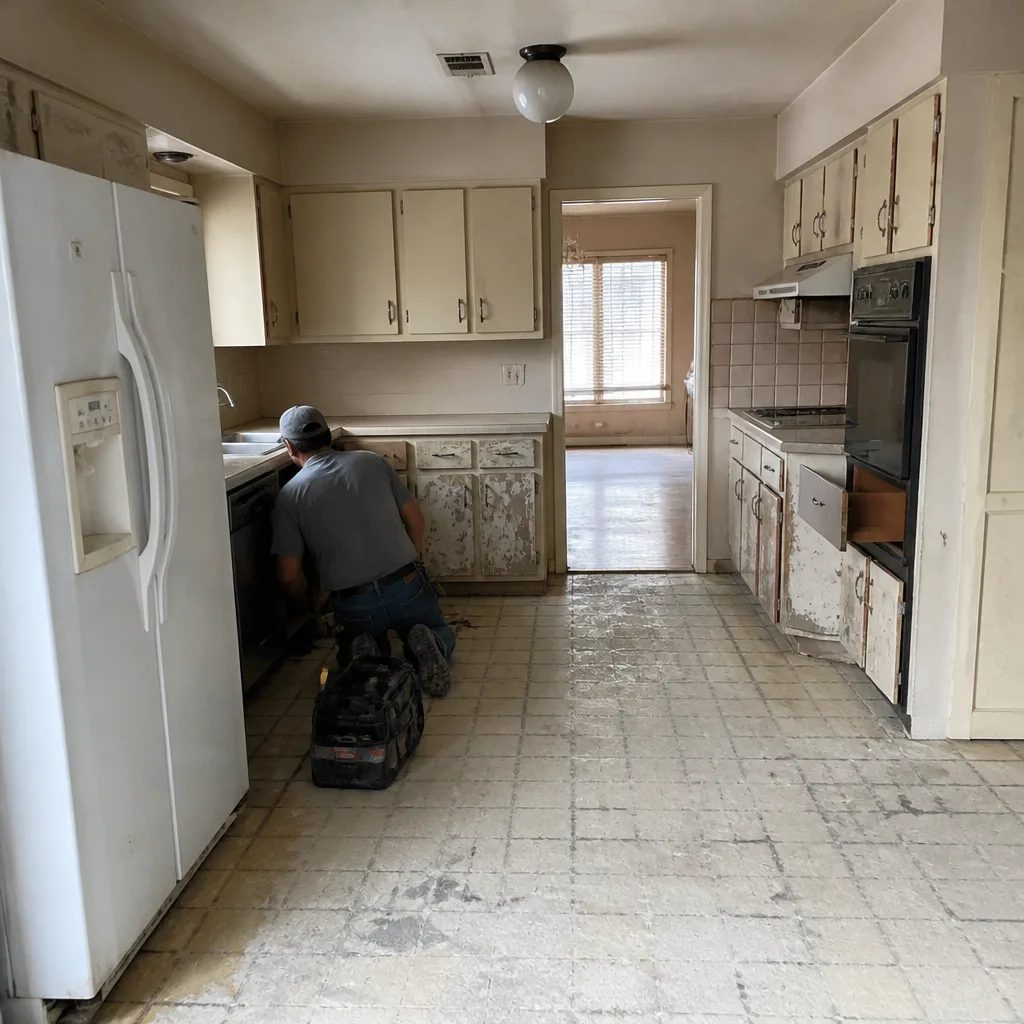 Before
 After
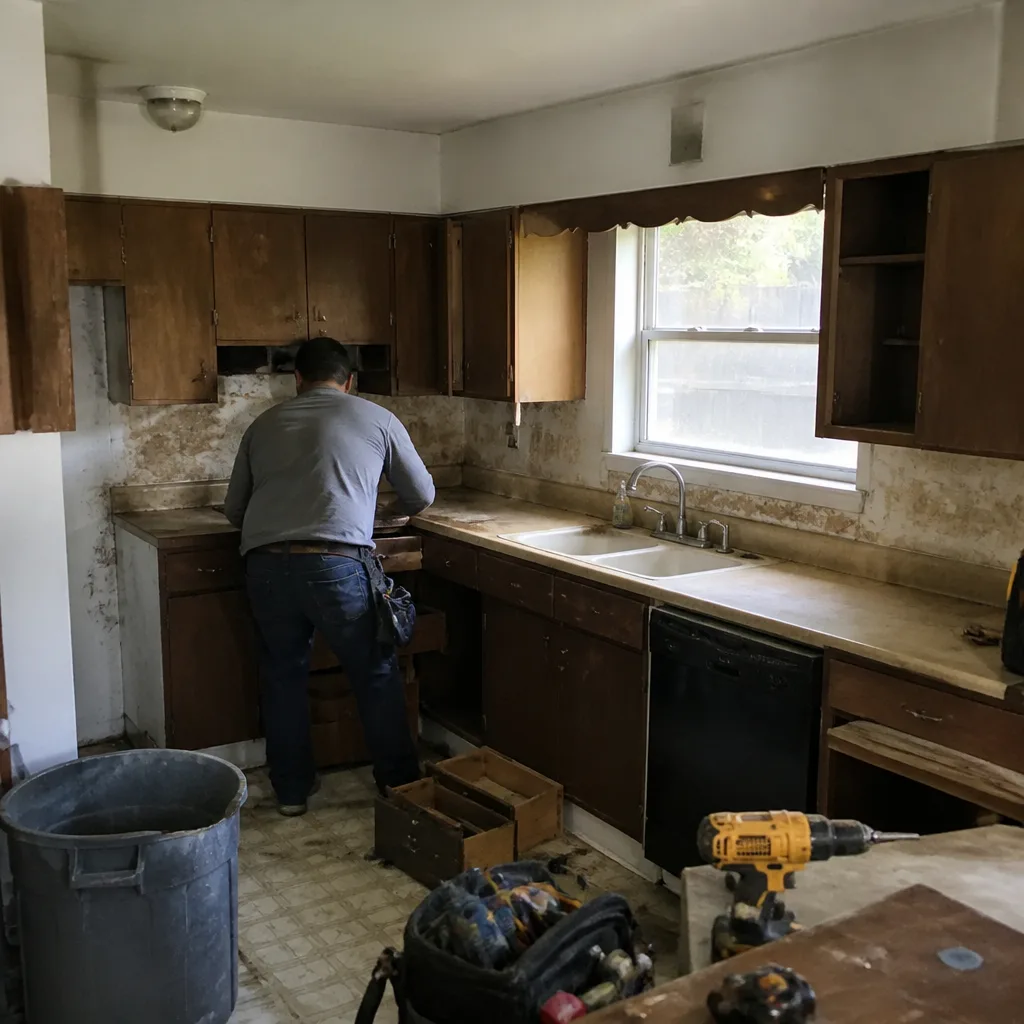 Before
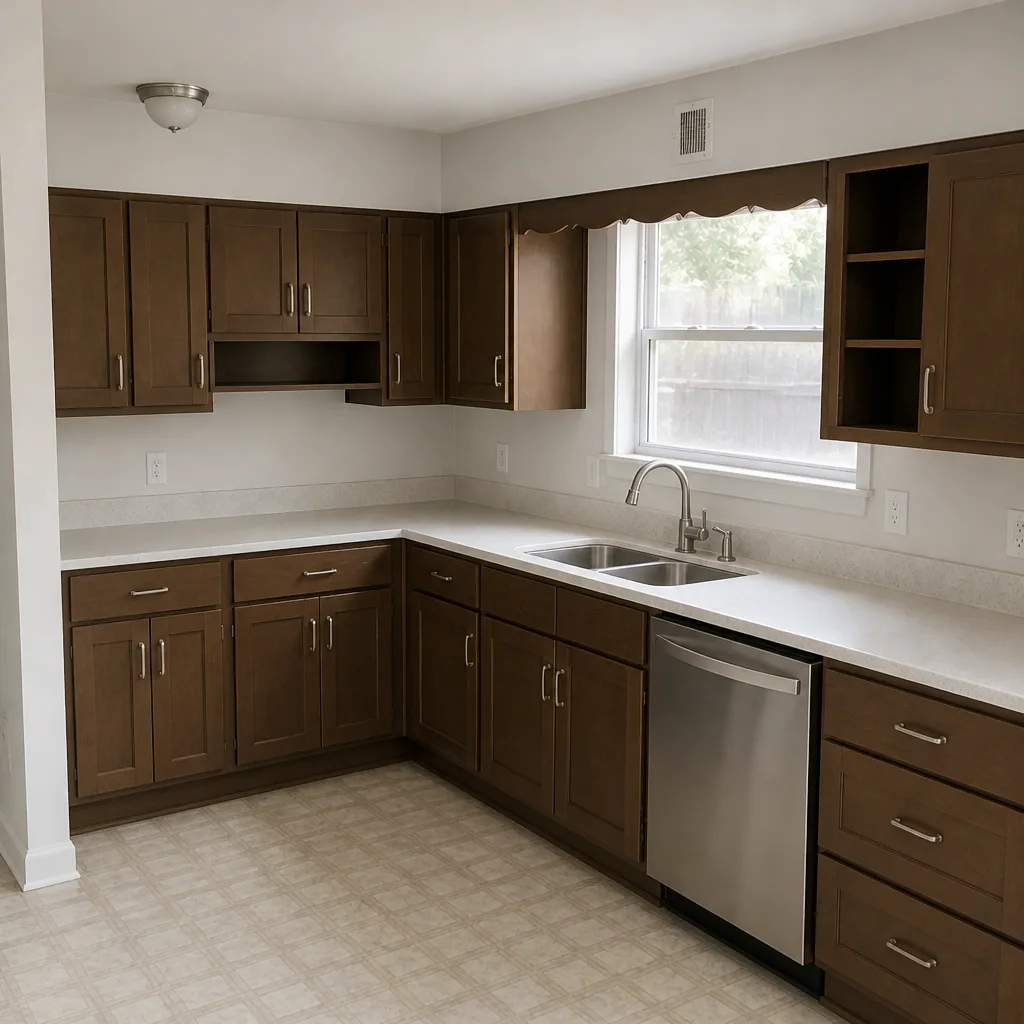 After
When to Call a Professional
Some of this work is genuinely a homeowner job: disconnecting a hose, checking caulk, clearing a gutter. Other work is dangerous or technical enough that a professional should handle it. Call us when the roof inspection requires climbing, when a freeze has burst a pipe, when you find moisture in a wall or attic, or when a first-summer crack or leak shows up after a remodel. Roof work at height and any work inside an electrical panel belong to trained professionals. If a project involves structural changes or a permit, that’s a professional job too.
Penhallow Remodeling Frisco offers free estimates in Frisco. Call (833) 954-5757 to schedule yours.
Frequently Asked Questions

Twice a year, in March and again in September. Frisco’s wide temperature swing is what pulls caulk away from joints and cracks grout, and checking before the rainy season and before the first freeze catches most problems while they’re still small. If you see a gap you can fit a fingernail into, reseal it. Call (833) 954-5757 for an exact quote on a reseal or a repair – estimates are free.
Late September through November. The air is dry, temperatures are moderate, and paint and caulk bond correctly. That window fills up, so start planning in late summer. Call (833) 954-5757 to schedule a free estimate before the fall slots are gone.
Resealing exterior joints on a typical Frisco home usually runs a few hundred dollars for the sunny faces, and more if you’re resealing the whole exterior. The number depends on the size of the house and how much has failed. We give a written price before any work starts, so you know the number before you commit. Call (833) 954-5757 for an exact quote – estimates are free.
Grout cracks because the tile and the substrate underneath expand at different rates in the heat. Small hairline cracks are common in the first summer. A crack that grows or lets water behind it is not normal, and the work should be checked. Our 365-Day Done Right Promise means if something fails in the first year, we come back and fix it at no charge. Call (833) 954-5757 to schedule a free return visit if a repair has failed.
No. You get a written price before any work starts, and that’s the number on the invoice. We don’t do verbal ballparks or estimates that move at the door. Call (833) 954-5757 for a free estimate and a written price.
Yes. We pull the permits and pass the inspections on every job that requires them. Permits take time, so build them into your schedule from the start. Call (833) 954-5757 to talk through what your project needs.
The Bottom Line
Frisco doesn’t have four equal seasons. It has a hot summer that expands everything, a sharp winter that tests every seal, a wet spring that finds drainage problems, and a short fall window that’s the best time of year for exterior work. Build your maintenance around that pattern: inspect in March and September, book exterior work in late summer, prep pipes and seals in November, and watch the first 90 days after any remodel for the cracks and gaps that heat reveals. A written price and a written guarantee turn seasonal care into something you can plan for instead of react to.
Written by the team at Penhallow Remodeling Frisco.
Ready to plan a project around the right season? Call (833) 954-5757 for a free estimate. You’ll get a written price before any work starts, a real arrival window, and a 365-Day Done Right Promise behind the job.