
Last updated November 18, 2026
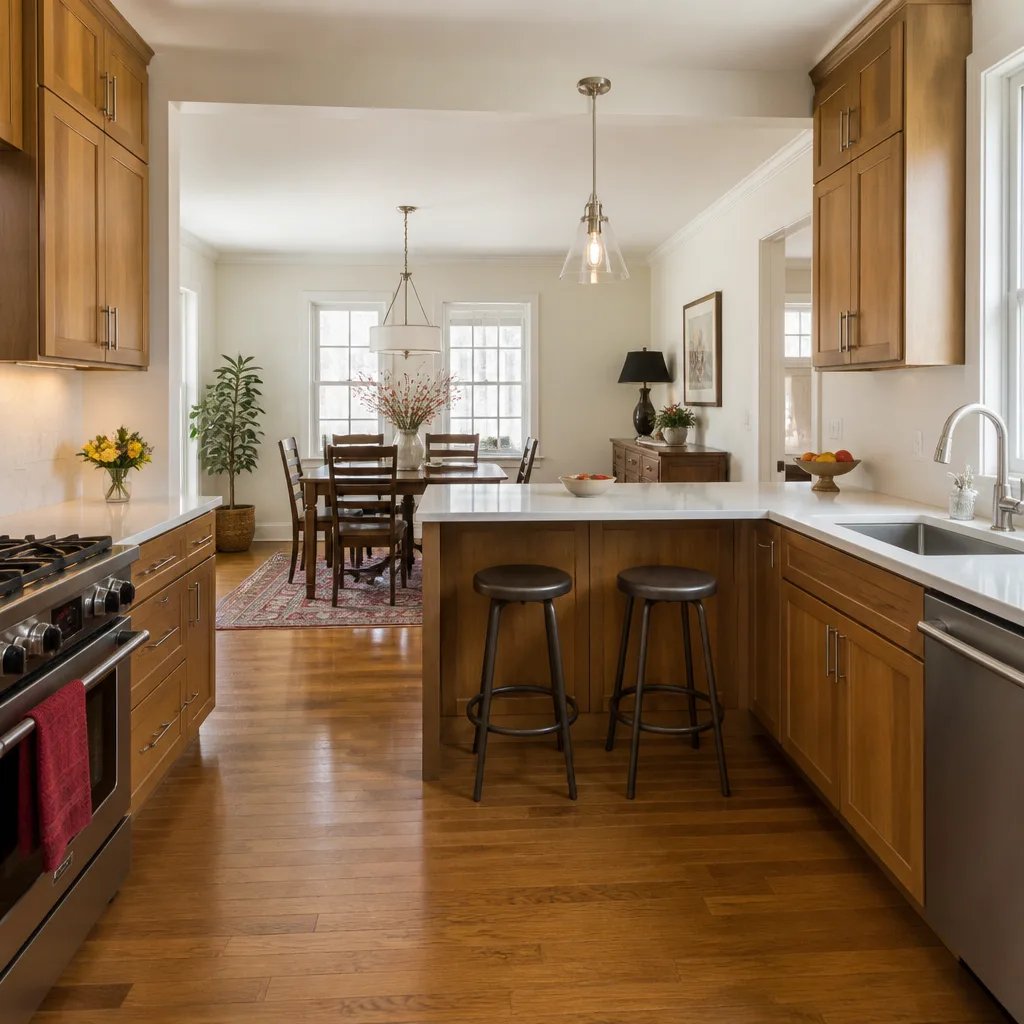

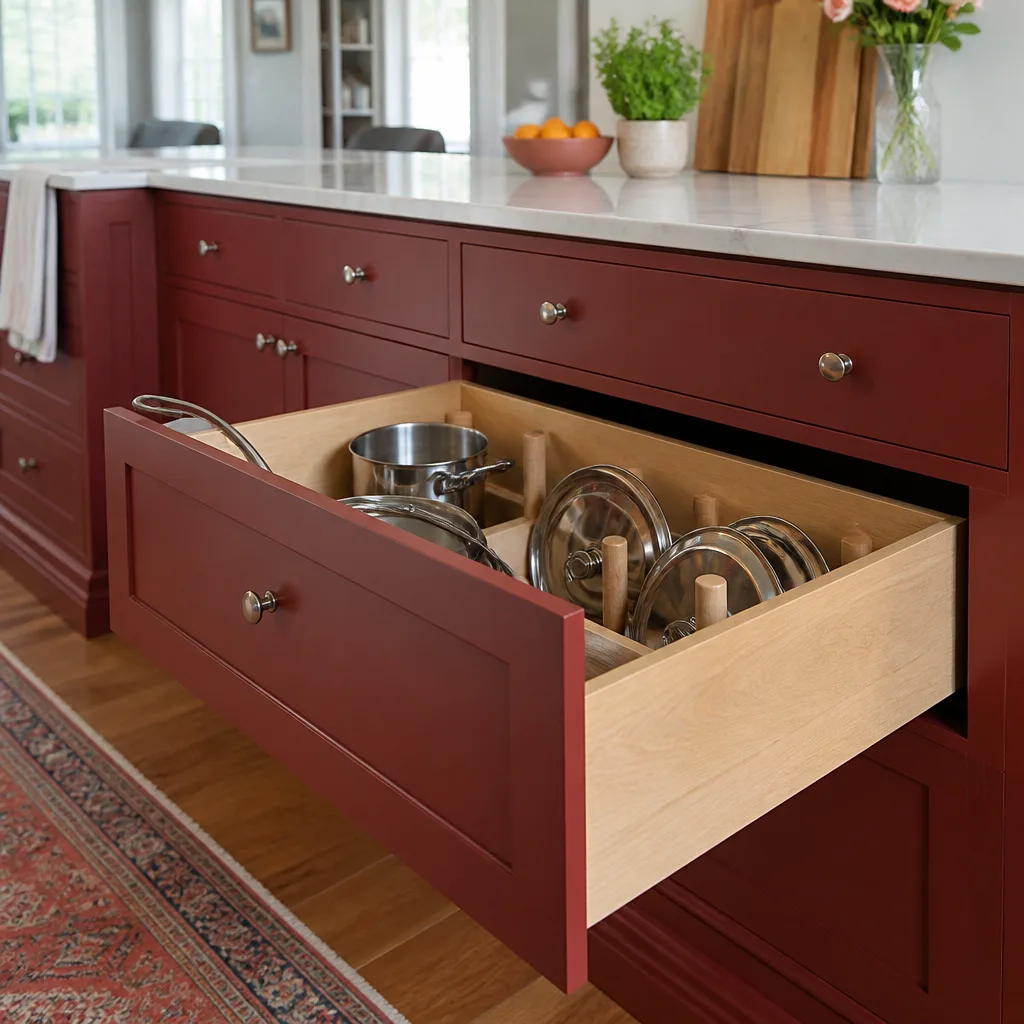
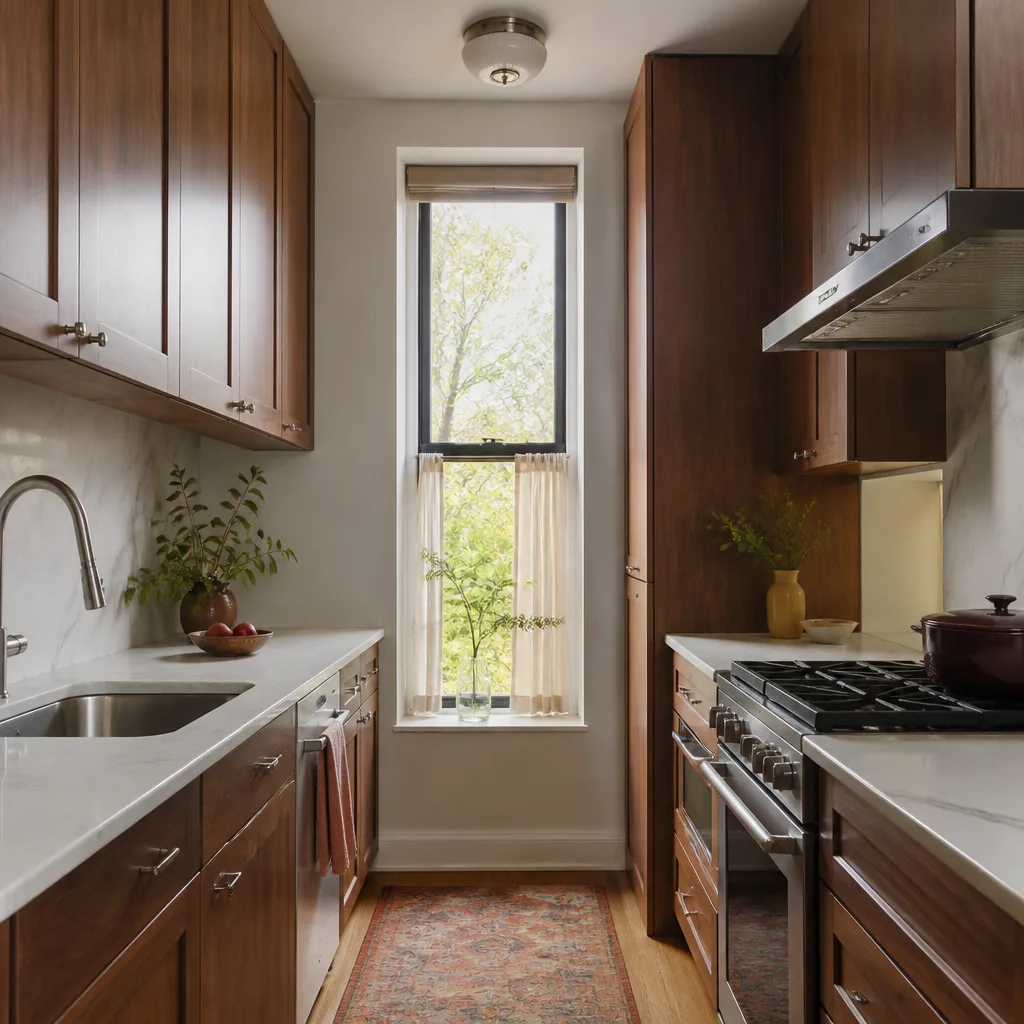




Free written scope consultation - allowances, timeline, and change-order rules on paper before a single trade is scheduled
Kitchen Remodeling Troubleshooting: Common Problems and How to Fix Them
Cabinet doors that won’t align. Grout that cracks within a season. A range hood that vents into the attic instead of outside. In our experience, these aren’t bad-luck outcomes – they’re the predictable result of skipped steps that a written scope of work would have caught. We’ve walked into Frisco kitchens where the previous crew buried a rotted subfloor under new backer board because nobody documented what they found after demo. The fix started before the first cabinet came out. This guide covers the five mid-project problems that derail remodels, why change orders exist, what post-project failures actually mean, and how to tell a warranty call from a ten-minute fix.
Quick Answer
Most kitchen remodel problems trace back to one of three causes: an undocumented surprise found after demo, a measured value that was never re-checked before cabinets were ordered, or a trade sequence that got rushed. The fix is usually straightforward once you know which category you’re in. A written scope, a real change-order process, and a 365-day guarantee on the finished work catch nearly all of it. Below is how each problem shows up, what causes it, and what to do.
Styles & brands we work with
- Kitchen remodeling
- Bathroom remodeling
- Home additions & ADU
- Roofing
- Windows & doors
- Driveway & pavers
- Fence
Table of Contents
- Unexpected Subfloor Damage After Demo
- Cabinet Dimension Mismatches
- Appliance Delivery Delays
- Electrical Capacity Shortfalls
- Plumbing Rough-In Conflicts
- How Change Orders Work (and What They Should Say)
- Post-Project Failures: Tile, Grout, and Cabinet Doors
- What a 365-Day Guarantee Covers vs. Homeowner Wear
- Troubleshooting Checklist: Warranty Call, Handyman, or DIY?
Unexpected Subfloor Damage After Demo
Once the old cabinets and flooring come out, the subfloor tells you what kind of project you actually bought. In Frisco, we regularly see two patterns. Older homes near the downtown rail corridor sometimes have particleboard underlayment that swelled after a slow leak behind the dishwasher. Newer builds out toward Panther Creek and Newman Village often have OSB subfloor with a small soft spot near the sink, from years of minor drips that never got noticed under a mat.
A prepared contractor does three things differently here. First, the written scope names what happens if the subfloor needs repair – a stated per-square-foot rate for replacing decking, or a fixed allowance cap. Second, the crew photographs the damage before touching it, so you can see what they saw. Third, work stops long enough to talk about it, rather than the crew quietly laying new backer board over a soft spot and hoping no one notices.
What to watch for during your own project:
- Any soft or spongy spot near the sink, dishwasher, or ice maker is a candidate for replacement, not patching.
- Swollen particleboard underlayment should come out entirely, even if only part of it looks damaged.
- If the decking is replaced, the moisture barrier and cement board substrate (the moisture-resistant layer behind your tile) go back with it, in that order.
- Ask for the photos before the new floor goes down, not after.
If your scope doesn’t address subfloor surprises, that’s a gap in the paperwork, not a surprise you should be paying full price to discover at the invoice. For more on how we set up a project scope, see our Kitchen Remodeling in Frisco page.
Cabinet Dimension Mismatches
Cabinet mismeasurement is one of the most expensive mid-project problems we see, and it’s almost always preventable. A wall that measured 144 inches at the rough framing stage isn’t the same 144 inches once drywall, corner bead, and baseboard go in. Cabinets ordered from those early numbers come back long, short, or worse – dimensionally correct but not matching the appliance openings the appliances actually need.
A prepared contractor follows a fixed sequence:
- Measure at rough framing to establish the design intent and order lead times.
- Re-measure after drywall and before the cabinet order is finalized, using a laser or story pole for the full run, not just the width.
- Confirm appliance cutouts against the spec sheets for the exact range, dishwasher, and refrigerator the homeowner has selected, not the design category.
- Hold the cabinet deposit until step two is signed off, so a mismeasure is caught before steel and wood are cut.
In our experience with KraftMaid and Wellborn cabinetry, the manufacturer’s spec sheet for a given box is fixed – the risk lives in what the wall actually measures on the day the order goes in. When a mismatch does slip through, the right answer is a written correction plan with a new delivery date and someone eating the cost of the restock. That may be the cabinet maker, the installer, or the contractor’s error margin. It should not be your line item.
Appliance Delivery Delays
A range that was supposed to arrive in week six showing up in week ten stalls the entire project once countertops are templated. The cascade looks like this: no range means no final countertop template, no template means no fabrication, no fabrication means no faucet install, and before long the punch list is stacked against a date that was never realistic.
A few habits we build into every Frisco kitchen schedule to keep this from happening:
- Appliance order goes in before cabinets whenever the appliance forecast is over four weeks, especially for panel-ready refrigerators and induction ranges.
- Select exact model numbers early, so lead times are checked against real inventory, not a category placeholder.
- Hold a two-week float between appliance arrival and countertop template. It’s the cheapest insurance in the project.
- Confirm delivery dates weekly from the dealer once the project is inside four weeks of template.
When a delay is unavoidable, the right move is to resequence: install everything except the affected countertop run, do the paint and trim, and return for the final top once the appliance lands. That’s a scheduling decision the contractor makes, not a problem the homeowner is expected to solve with a phone call to the appliance dealer.
Electrical Capacity Shortfalls
Frisco homes built in the last fifteen years sometimes surprise their owners when they add an induction range, a double oven, or a coffee station that needs its own circuit. The panel was sized correctly for what was there – it just wasn’t sized for what’s about to be there. This is a planning problem, not a mid-project catastrophe, but only if it’s caught before the drywall goes back up.
What a prepared contractor checks and documents in the scope:
- Available amperage at the panel, and whether there’s room for the additional breakers the new appliance list requires.
- Whether a subpanel is needed for the added circuits, and what that costs as a line item if it is.
- Dedicated circuits for the count of high-draw appliances in the new layout, not the old one.
- GFCI requirements at the counter outlets, which the electrical rough-in inspection will check.
Electrical work behind a wall isn’t a homeowner repair – it’s licensed work, and getting it wrong is dangerous. If your scope doesn’t confirm available amperage and dedicated circuits before demo, ask for that confirmation in writing before work starts. The same logic applies to how we plan the electrical rough-in against your existing panel on a whole-home project – the details are on our General Contractor in Frisco page.
Plumbing Rough-In Conflicts
Moving a sink from under a window to an island is one of the most common requested changes in Frisco kitchen remodels, and it’s also one of the ones most often underestimated at the estimate stage. The drain line has to reach a real vent and a real main. The supply lines have to reach the new location without crossing a joist. The dishwasher has to reach both a drain and a hot supply. If any of that wasn’t costed as a line item in the written scope, the plumber’s first visit is going to trigger a change order.
The right time to catch a rough-in conflict is before the framing goes back up, with three checks:
- Confirm the new sink location against the drain’s actual path to the main, with a plumber on site, not from a drawing.
- Trace where the vent will route if the drain needs re-venting, and who is responsible for the drywall patch.
- Check the water heater capacity for the added fixtures in a double-sink or prep-sink layout.
When we plan a kitchen in Frisco alongside a bathroom project, we run the same check on shared walls – it isn’t unusual for a rough-in conflict to show up on one side of a demising wall while the other side is being finished. That kind of sequencing is what we handle on a Bathroom Remodeling in Frisco project, and it’s why we’d rather find the conflict on the plumbing walk-through than on the day the tile is ready to set.
How Change Orders Work (and What They Should Say)
A written price before work starts is the baseline – every honest contractor should give you one. But even the best-written scope can’t see behind a wall until the wall comes down. That’s what change orders exist for: to price a genuine surprise in writing before work continues, rather than tacking it onto the final invoice. A change order is not a loophole in a fixed price; it’s the one legitimate exception, and it needs to be documented the same way the original scope was.
A change order that’s worth signing says, at minimum:
- What changed – a plain-language description of the condition found, with photos attached.
- Why it wasn’t in the original scope – not “we missed it,” but a specific reason it could not have been known.
- The dollar amount, as a fixed number or a unit rate multiplied by a measured quantity (square feet of subfloor replaced, linear feet of drain rerouted).
- The schedule impact, in days, so you can plan around it.
- How it’s paid – whether it’s added to the next progress payment or invoiced separately.
- Both signatures – yours and the contractor’s.
What a change order should never be is verbal, retroactive, or bundled into the final invoice as a mystery line item. If your contractor hands you a single “extras” number at the end of the job with no paperwork trail, that’s not a change order – that’s an invoice dispute waiting to happen. The written process is the whole point. We hold to it on every project, from a full gut renovation down to a mid-sized update, and it’s the same standard we set on a Penhallow Remodeling Frisco home project.
Post-Project Failures: Tile, Grout, and Cabinet Doors
The kitchen looks finished, the punch list is signed off, and then two months in – a cabinet door won’t close flush, or a line of grout in the backsplash cracks. Are you looking at a defect, an installation error, or normal settling? The answer depends on the failure. Here’s how we sort them.
Tile Lippage (Uneven Edges)
Lippage is when one tile edge sits noticeably higher than the edge next to it. On large-format tile, a small amount is expected and within tile-industry tolerance. Noticeable lippage – enough to feel with a fingertip – is almost always an installation error, usually from a subfloor or backer that wasn’t flattened within tolerance before setting. This is a warranty call, not a homeowner fix.
Grout Cracking
Cracked grout happens for two reasons: deflection (the floor or wall under it moves more than the grout can tolerate) or improper cure (grout that dried too fast in hot, dry weather). Frisco’s summers push the second one more than people realize – grout set in an unairconditioned kitchen in July can skin over before it cures. If cracks are isolated to one wall or one floor run, suspect deflection. If they appear across the whole installation in the first month, suspect cure. Either way, it’s a warranty call.
Cabinet Door Drift
Doors that used to align and now don’t usually need an adjustment, not a replacement. European hinges ship with three adjustment screws that control up-and-down, left-and-right, and in-and-out. A door that’s drifted a couple of millimeters after a season of opening and closing is normal – it’s a ten-minute adjustment. What’s not normal is a door that’s warped, a hinge that’s pulling out of the door frame, or a door that won’t stay closed after adjustment. Those are warranty calls.
What a 365-Day Guarantee Covers vs. Homeowner Wear
A 365-day guarantee on the work covers failures caused by the installation and the materials as installed – tile that lifts, grout that cracks from deflection, a cabinet hinge that fails under normal use, a faucet that drips from a bad seat. It does not cover what you do to the kitchen once you’re living in it: a cabinet door cracked from a bumped pot, a countertop chipped by a dropped pan, fabricator-tolerance levels exceeded by a homeowner swing on a heavy pot, or a build-up of grease and heat damage behind a range that the hood was never allowed to vent properly because the ductwork was routed to spec.
The clean way to sort a callback is to look at three questions:
- When did it appear? Failures caused by installation or materials show up in the first several months. Failures caused by use show up after an event – a dropped item, a bumped door, a leak from a nearby appliance.
- Is it consistent across the installation, or isolated? A grout crack across an entire backsplash run suggests a systemic cause. One cracked grout joint under a heavy backsplash outlet suggests a specific impact.
- Does it match a known material behavior? Wood cabinets expand and contract with humidity; natural stone countertops can chip at edges under impact. Those are material behaviors, not defects.
Whichever category you land in, document it when it appears. A phone photo with a date, the room, and a quick description in one message is enough. It gets you a faster diagnosis, and if it turns out to be a warranty call, the documentation makes the fix straightforward. That’s the whole point of the guarantee – not that nothing will ever need attention, but that when something does, you know who’s coming back and that they’ll do it at no charge.
Troubleshooting Checklist: Warranty Call, Handyman, or DIY?
Here’s the plain-language checklist we hand homeowners at project close. It’s meant to be used before you call anyone – including us.
- Is it cosmetic and isolated? A scuff on a cabinet face, a fingerprint on a new faucet, a tile that looks slightly darker in one spot after cleaning – these are not warranty items and don’t need a handyman.
- Is it a hinge, drawer glide, or door alignment issue? These are usually a screwdriver adjustment, ten minutes. If it persists after adjustment, it’s a warranty call.
- Is it plumbing or electrical? A dripping faucet cartridge, a breaker that trips under load, an outlet that’s running warm – these need a pro. Don’t attempt a fix, and don’t wait.
- Is it tile or grout movement? A single hairline crack in grout along a floor transition can be re-grouted. Cracks across a whole wall or floor panel are a warranty call.
- Is it a countertop or solid-surface chip? A small chip at an edge is a fabrication repair. Don’t fill it with a home kit – the color and gloss match rarely holds, and the chip can propagate.
- Did it follow an event? A dropped pan, a bumped door, a leak from above – document it, contact your homeowner’s insurance if the damage is significant, and treat it as a repair, not a warranty item.
- Did it appear with no event and no pattern? That’s the one that warrants a warranty call. Note the date, the location, and a photo, and reach out.
Common Mistakes to Avoid
- Signing a scope with no subfloor or hidden-condition language. In Frisco, either the scope names the price for what happens under the floor, or you’re paying whatever the contractor decides it costs after demo.
- Ordering cabinets from rough-framing measurements. The wall moves between framing and finish. Re-measure before the order is finalized, and hold the deposit until it’s signed off.
- Buying appliances on the same timeline as the design. Lead times are the most common schedule killer in a kitchen remodel, and the appliance order should go in before the cabinets.
- Treating the electrical panel as an afterthought. A new induction range needs a dedicated circuit. Confirm available amperage before demo, not after the drywall is back up.
- Accepting a verbal change order. If it isn’t written, photographed, priced, and signed, it isn’t a change order – it’s a future invoice dispute.
- Calling a hinge adjustment a warranty claim. A drifted cabinet door is a ten-minute fix. Save your warranty call for the failures that actually need it.
- Skipping documentation at first notice. A crack photographed on the day it appears is a warranty item. A crack described from memory three months later is a conversation. The photo is free.
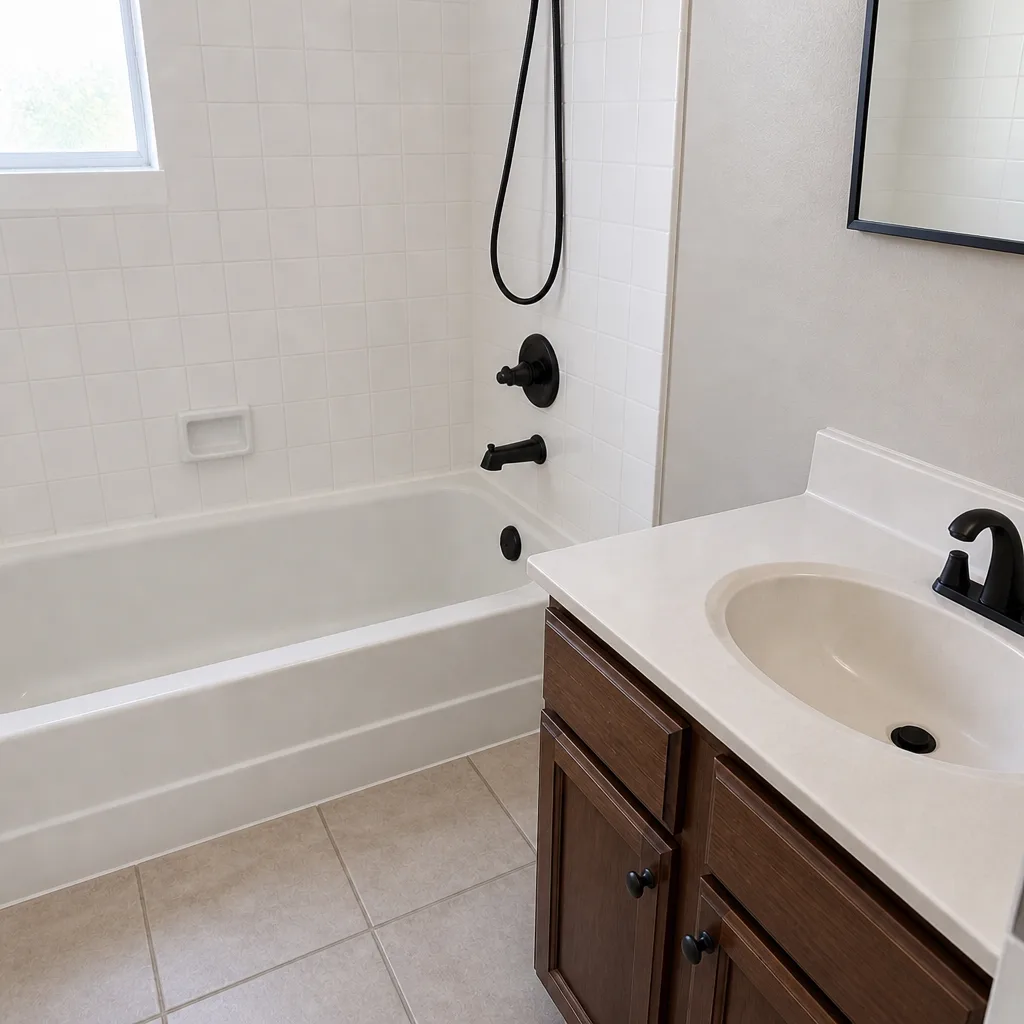
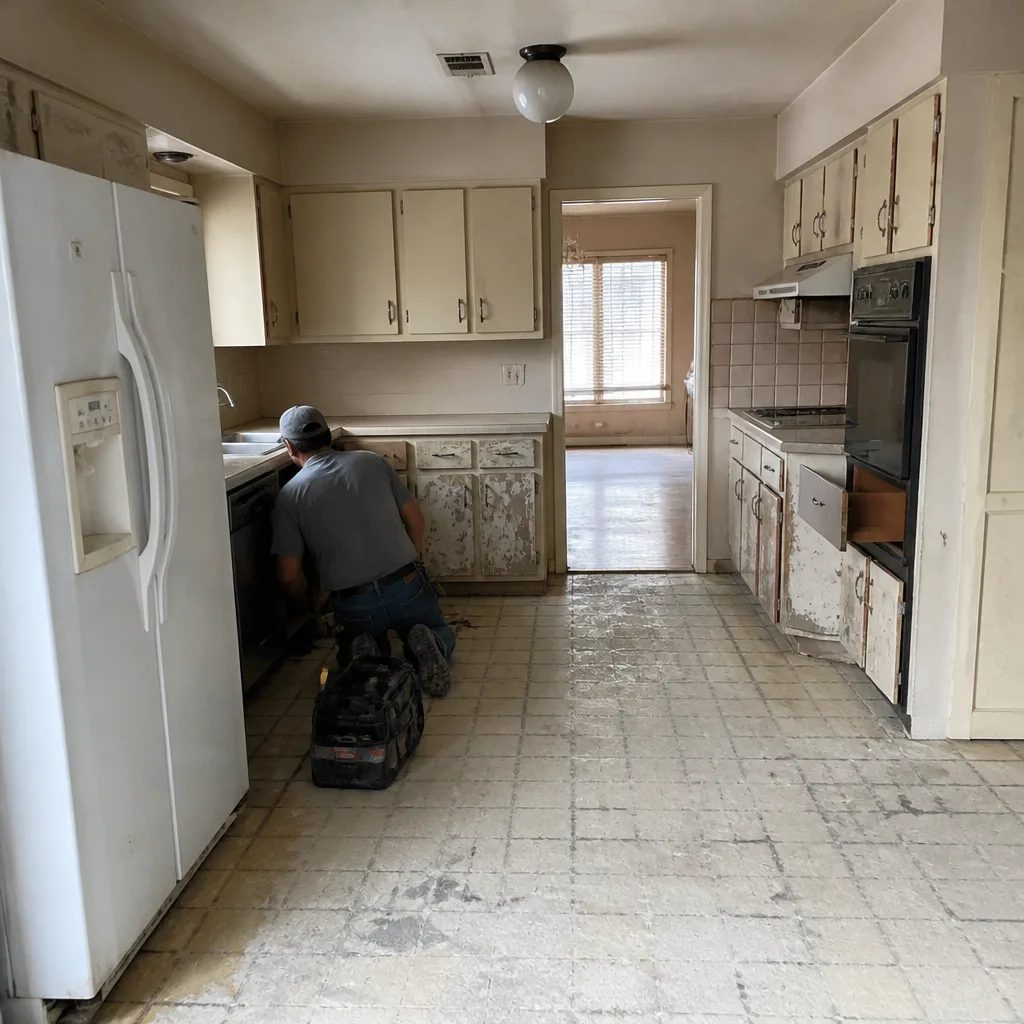
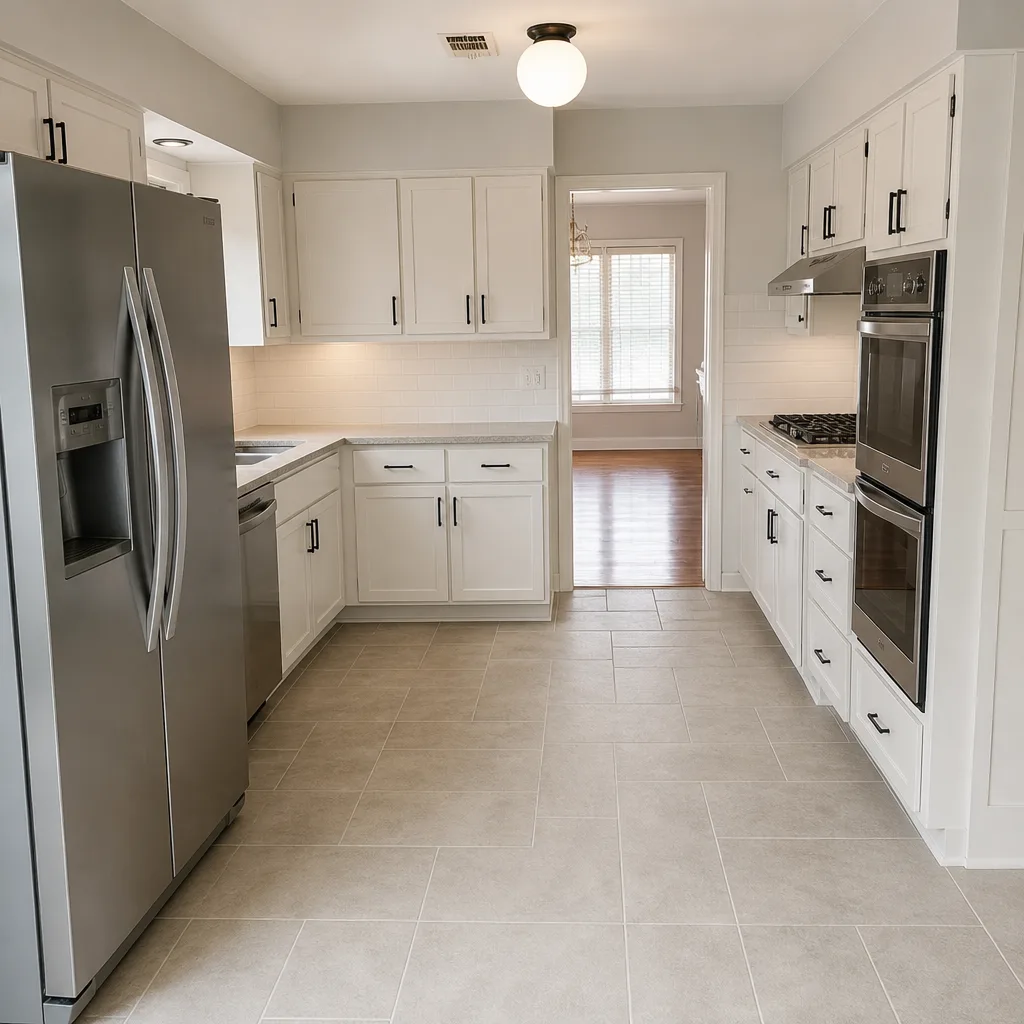
See the difference
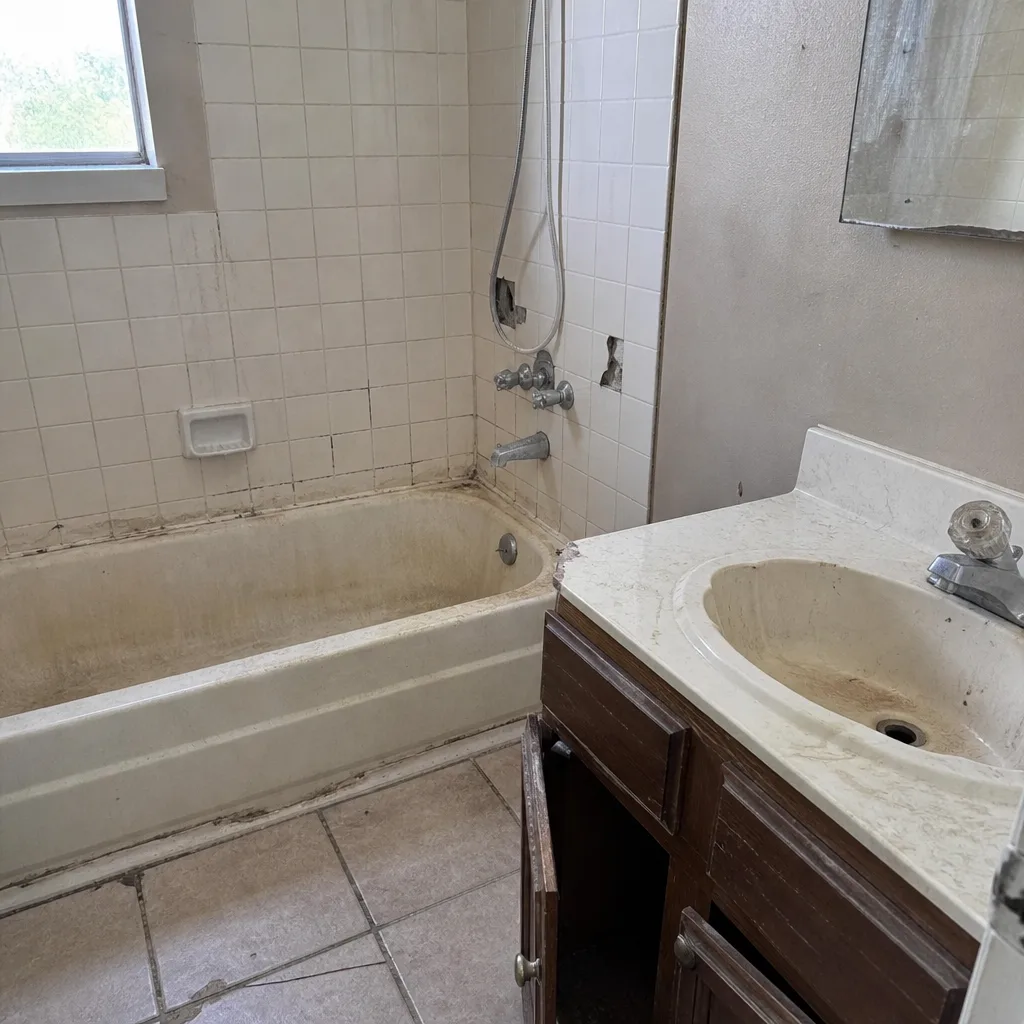 Before
 After
 Before
 After
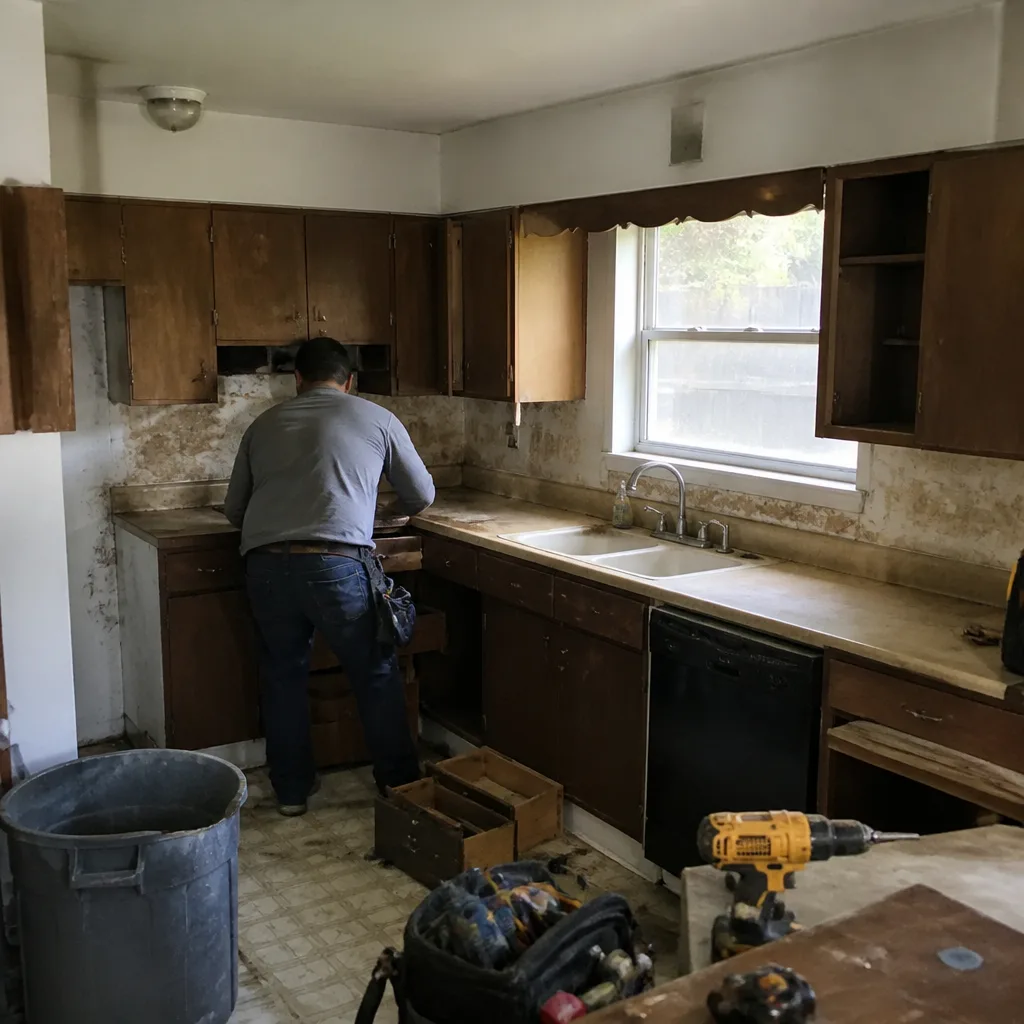 Before
 After
When to Call a Professional
Call a professional for anything that involves the systems behind the wall – plumbing, electrical, gas, or structural. Call when a grout crack or tile lippage spans more than one panel, when a cabinet door won’t stay aligned after adjustment, when a faucet drips from a fitting you can’t see, or when a countertop chip is deeper than a fingernail. Call when you’re not sure whether it’s a warranty item; a contractor should make that determination and, if it’s a covered failure, make the fix at no charge. And call before you start a project, not after a problem shows up – a written scope and a real change-order process are what keep the problems in this guide from landing on your invoice.
Penhallow Remodeling Frisco offers free estimates in Frisco – call (833) 954-5757 to schedule a walk-through.
Frequently Asked Questions

Kitchen remodels in Frisco typically run $28,000 to $85,000 depending on layout, cabinet line, and countertop material – a mid-range project with painted shaker cabinets, quartz counters, and updated plumbing and electrical lands around $45,000 to $60,000, while a larger project with custom cabinetry and an island move trends higher. The two biggest cost levers are whether walls move and whether plumbing relocates, so both get priced as line items before work starts. Call (833) 954-5757 for an exact quote – estimates are free.
Not unless a genuine surprise is found behind the wall and documented in a written change order – and only then, with your signature before work continues. A subfloor soft spot, a drain that has to reroute, or a panel that needs a subpanel are real conditions, not estimate padding, and they get priced as a written, photographed, itemized line before the crew continues. If your contractor can’t explain a price change that way, that’s the problem. Call (833) 954-5757 for a written price before work starts.
Yes. Kitchen remodels that move plumbing, electrical, or structural walls require permits in Frisco, and we pull them as part of the project scope and pass the required inspections before close-out. The permit plan is part of the written scope, and it’s discussed at the estimate stage, not after demo. Call (833) 954-5757 to talk through what your specific project requires.
A standard Frisco kitchen remodel runs four to eight weeks of active construction, not counting the design and order window. Cabinet lead times and appliance availability drive the back half of the schedule more than the labor does – a six-week cabinet lead time can add a month to the total. We give you a schedule with the start and finish dates broken out by phase, and a live person you can reach 24/7 if the timeline shifts. Call (833) 954-5757 to schedule a walk-through.
Grout cracks when the surface beneath it moves more than the grout can tolerate, or when it cured too fast in hot, dry conditions. In Frisco, our summers make the second one common – grout set in an unairconditioned kitchen can skin over before it cures. If a crack spans a whole floor run or backsplash panel, it’s usually the first cause, and it’s a warranty call. If it’s a single isolated joint, it can often be re-grouted. Either way, photograph it on the day you notice. Call (833) 954-5757 to have it looked at under the 365-Day Done Right Promise.
Usually not, if it just needs adjustment – European hinges have three adjustment screws and a drifted door typically takes ten minutes to realign. It becomes a warranty issue if the hinge is pulling out of the door frame, the door is warped, or the door won’t stay closed after adjustment. Those are installation or material failures, and they get fixed at no charge. Call (833) 954-5757 with a photo and a description if you’re unsure which one you’re looking at.
The Bottom Line
The problems in this guide – soft subfloors, mismeasured cabinets, delayed appliances, under-capacity electrical, and plumbing rough-in conflicts – aren’t bad luck. They’re the predictable result of steps that were skipped before the job started, in the paperwork as much as on the site. A written scope that names what happens when a surprise appears, a change-order process that prices it in writing, and a written guarantee that covers the finished work catch nearly all of it. If you’re planning a kitchen remodel in Frisco, the time to sort that out is at the estimate, not at the invoice. Call (833) 954-5757 for your free estimate.
Written by the team at Penhallow Remodeling Frisco.