Last updated November 18, 2026





Free written scope consultation - allowances, timeline, and change-order rules on paper before a single trade is scheduled
DIY vs Professional Construction: The Frisco Homeowner’s Decision Guide
Here’s the part most DIY videos skip: in Texas, you can legally pull your own permit and do much of your own work. The decision doesn’t actually come down to whether you’re handy. It comes down to what happens the day you sell the house or file an insurance claim and someone asks who did the work. That question turns unpermitted or code-deficient DIY into a negotiating chip for the buyer or the insurer, not for you. This guide walks through the permit exposure, the warranty math, owner-builder liability, and an honest look at three common projects so you can decide with real numbers in front of you.
Quick Answer
Some Frisco projects are genuinely fine to DIY: painting, landscaping, minor drywall repair, swapping a faucet. Others expose you to real financial risk if done without a permit, a licensed trade, or a warranty-compliant installation, including anything structural, electrical, plumbing behind a wall, or gas. The deciding factors aren’t skill alone; they’re permit requirements, manufacturer warranty terms, and how unpermitted work affects your homeowner’s insurance and resale. When in doubt on a project that touches structure or systems, hire licensed and get a written price before work starts.
Styles & brands we work with
- Kitchen remodeling
- Bathroom remodeling
- Home additions & ADU
- Roofing
- Windows & doors
- Driveway & pavers
- Fence
Table of Contents
- Which Frisco Projects Can You Legally DIY?
- The Warranty Math Nobody Explains
- Owner-Builder Status Under Texas Law
- Honest Skill Check: Three Common Projects
- How to Hybrid: Prep Work That Saves Real Money
- How Unpermitted Work Affects Insurance and Resale
- When to Call a Professional
Which Frisco Projects Can You Legally DIY?
The table below is the fastest way to sort what’s actually safe to do yourself versus what carries legal or financial exposure in Frisco.
- Interior paint, trim caulking, wallpaper removal: DIY-able. No permit. No insurance implications.
- Cosmetic landscaping, fencing (under local height limits), deck staining: DIY-able with attention to HOA rules that vary block by block.
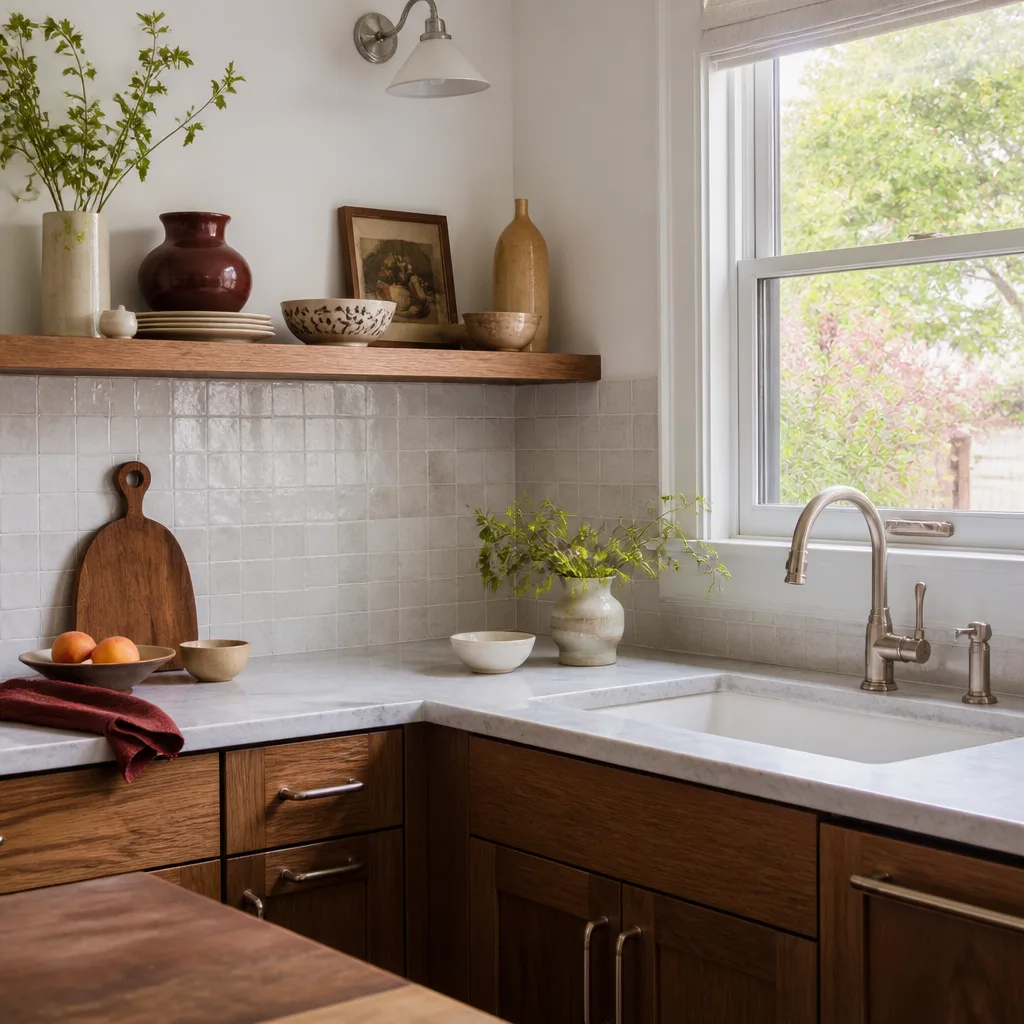
- Tile backsplash (non-structural, over existing substrate): DIY-able, but check tile and grout warranty language before you start. See the warranty section below.
- Minor drywall repair (holes under 6 inches, no structural cut): DIY-able.
- Electric panel work, new circuits, outlet relocation: Requires a licensed electrician in Texas. Requires a permit and inspection.
- Gas line work (range, water heater, fireplace): Requires a licensed plumber. Requires a permit and inspection.
- Structural changes (load-bearing wall removal, header installation): Requires a licensed contractor and engineered plans. Permit and inspection mandatory.
- New deck framing and footing: Permit required, inspection required. Can be owner-built, but footing depth matters in Frisco’s expansive clay soils.
- Bathroom and kitchen remodels that move plumbing or electrical: Permit required. Licensed trades required for the plumbing and electrical portions.
- Roof replacement: Permit required. Manufacturer warranty depends on certified installation.
If you’re planning a project in that bottom half, our general contractor in Frisco page explains how we sequence permits and inspections so nothing gets flagged at resale.
The Warranty Math Nobody Explains
Manufacturer warranties on tile, cabinets, countertops, and fixtures are conditional. They assume installation by a licensed or certified installer. The moment a homeowner installs tile over an uncured substrate, or hangs cabinetry without proper blocking, the warranty on the material can be voided even if the material itself is fine.
Here’s what that costs in a worst case. A tile shower surrounds fail at the pan. The tile was Kerdi-certified material, but DIY installation skipped the waterproofing detail. Replacement means removing the tile, the cement board substrate (the moisture-resistant layer behind your tile), and often the pan and framing. That’s a job that runs several times the original material cost. The manufacturer isn’t paying because the installation wasn’t certified.
The math gets worse with cabinets. A $12,000 KraftMaid or Wellborn cabinet order carries a limited lifetime warranty on the boxes and doors, but that warranty hinges on installation per spec. Sagged cabinets from missing blocking turn into a re-install at your cost, plus drywall repair, plus countertop re-setting if the tops were already in place.
Countertop materials like Cambria quartz, Silestone, and Caesarstone and fixtures from Kohler and Moen follow the same pattern. Each carries its own manufacturer warranty alongside the installer’s workmanship guarantee. Two layers of protection when installed to spec. Zero when installed DIY and something fails.
Owner-Builder Status Under Texas Law
When you pull a permit as a homeowner in Frisco, you’re operating as an owner-builder. That status has real legal weight. It means the municipality treats you as the responsible party for code compliance on the permitted scope. It also means liability for injuries on the job site shifts almost entirely to you.
If a friend helping you frame a wall falls off a ladder, your homeowner’s policy may or may not cover the injury. Many Texas homeowner policies exclude injuries to people doing paid or unpaid work on the property under certain conditions. Read your policy before you assume the site is covered.
Owner-builder status also affects how the work is later viewed. When you sell in Frisco, buyers and their agents pull permit history. A permit opened but never closed reads worse than no permit at all. An inspector’s failed final inspection on record is a red flag that follows the house.
The safer pattern when you’re not certain: hire a licensed general contractor who pulls the permit and carries the general liability coverage that protects everyone on site. That coverage exists for a reason.
Honest Skill Check: Three Common Projects
Skill isn’t the same as confidence. Here are three projects Frisco homeowners ask about constantly, with a realistic read on what it actually takes from a first-timer.
1. Tile backsplash (kitchen)
Realistic time for a non-professional: 2 to 3 weekends if the substrate is sound.
What trips people up: Layout at outlets and window returns. Cuts around notches (under-cabinet lighting, GFCI plates) eat far more time than the flat field area. Uneven walls in older Frisco homes require more mortar and more patience.
What to outsource: If the wall behind the tile is drywall that’s been moisture-compromised, get it replaced by someone who knows how to check. Wet substrate behind new tile is a guaranteed mold problem.
2. Drywall repair
Realistic time: One evening for a small hole; a full weekend for a ceiling patch after a leak.
What trips people up: Feathering the joint compound so the patch disappears under sheen paint. Homeowners almost always over-sand and burn through the paper tape, which is why the patch shows through the paint within weeks.
What to outsource: Any repair that involves cutting into a wall where plumbing or wiring runs. That’s a call to a licensed trade, not a patch job.
3. Deck framing
Realistic time: Two to three weekends for a first-timer on a low-profile deck.
What trips people up: Footing depth. Frisco’s expansive clay soils move with the seasons, and shallow footings heave. Beam-to-post connections that pass code require specific hardware that’s easy to get wrong. Framing a deck isn’t the same as framing a wall.
What to outsource: Footings and framing. Finish the decking yourself if you want to save labor.
How to Hybrid: Prep Work That Saves Real Money
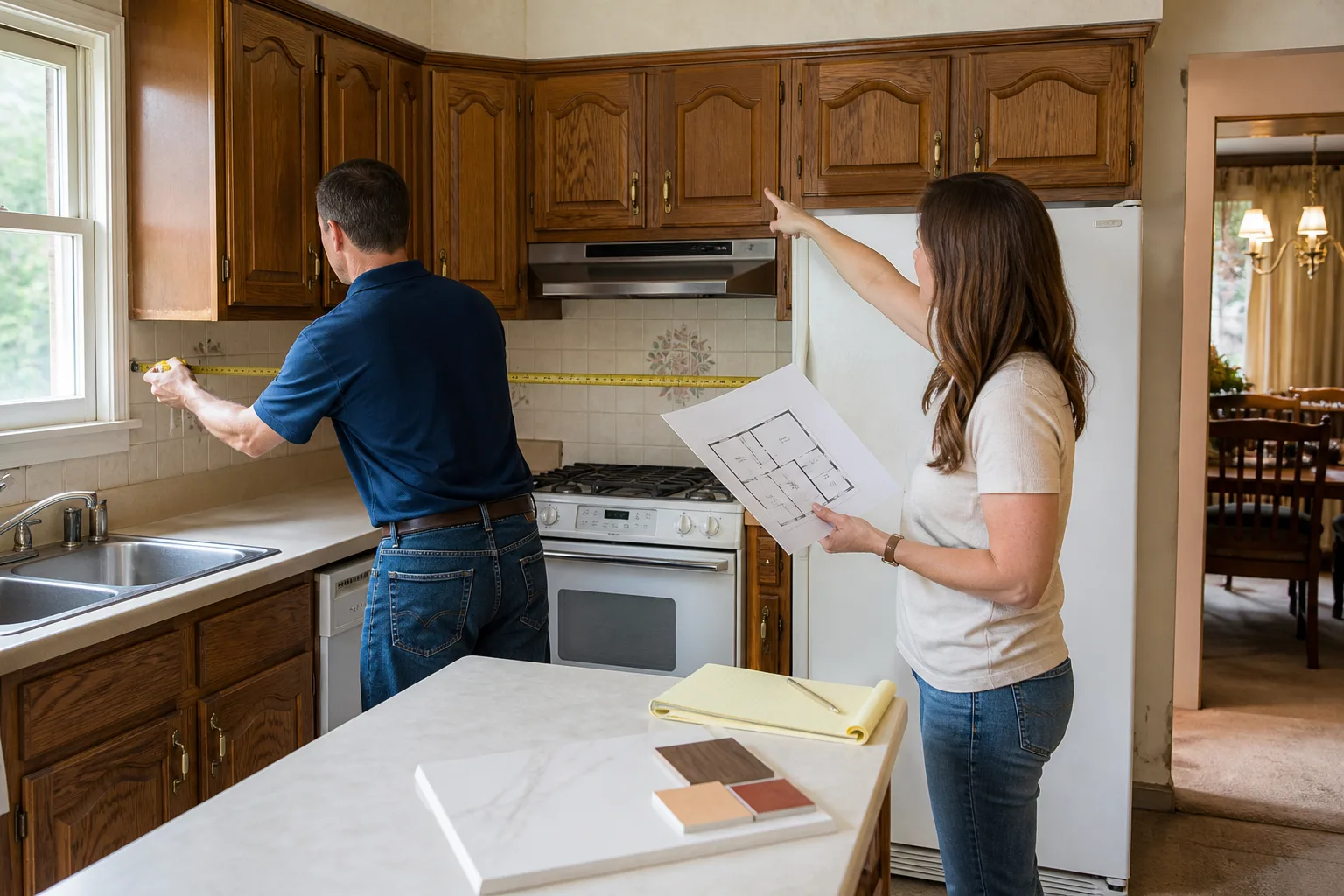
The professional-versus-DIY question is a false choice. Most of our kitchen remodeling in Frisco and bathroom remodeling in Frisco projects include a homeowner-contributed prep stage. That’s the sweet spot, because demo and clean-out tasks don’t carry the same technical risk as tile setting or rough plumbing.
- Clear the room and protect the path. Removing furniture, wall art, and breakables yourself saves an hour of billed labor and keeps your things safe.
- Handle demolition of non-structural finishes. Pulling old baseboards, hauling away carpet, and removing cabinet doors and drawer fronts are fine to do yourself if you’ve confirmed nothing underneath is load-bearing or wet.
- Disconnect appliances. Unplug and move the fridge and range into another room. Don’t touch gas lines or hardwired connections.
- Haul your own debris. Renting a dumpster and doing the haul runs you can safely do saves disposal fees on smaller projects.
- Paint after the crew is done. If you’re willing to paint the finished room, that’s real savings without any risk to the structural or mechanical work.
- Source decorative finishes if you want. Choose your cabinet hardware, paint colors, and accent tile yourself. Leave material procurement of the primary install components to the contractor so warranties stay intact.
The pattern is simple: labor that doesn’t affect code, warranty, or safety is fair game. Labor that does is where you want licensed trades and a written price.
How Unpermitted Work Affects Insurance and Resale
This is where the stakes in Frisco are higher than most homeowners realize. Homeowners insurance policies cover the dwelling as described at underwriting. Structural, electrical, or plumbing work done without a permit and without inspection can become a coverage dispute the moment you file a claim.
Two specific scenarios come up repeatedly. First, a water damage claim from a bathroom that was remodeled DIY without permit. If the insurer determines the plumbing was non-compliant, coverage for the resulting damage can be reduced or denied. Second, a claim after a fire in a converted garage or a room built without a permit. The insurer can point to the unpermitted addition as evidence the dwelling risk was misrepresented.
On the resale side, Frisco buyers in neighborhoods like Newman Village, Phillips Creek Ranch, and Starwood routinely pull permit history before they make an offer. Any permitted scope that shows “open, no final inspection” is a red flag. Any permitted scope that doesn’t appear at all, but is clearly newer than the rest of the house, invites a buyer to request an inspection contingency. That contingency costs you at the negotiating table, often thousands less than the asking price.
The full accounting of how a licensed contractor pulls, tracks, and closes permits is covered on our Penhallow Remodeling Frisco home page.
Common Mistakes to Avoid
- Pulling a permit and never closing it. Frisco’s permit records follow the house, not the homeowner. An open permit is a bigger problem at resale than work done without a permit in the first place.
- Assuming your homeowner’s policy covers unpermitted work. Many Texas policies exclude or limit damage arising from work that didn’t follow code. Read the exclusions section before you assume.
- Voiding material warranties by installing yourself. Tile, cabinets, and countertops almost always require certified installation to keep the manufacturer warranty live. Read the warranty PDF before you buy materials.
- Hiring an unlicensed “friend with a truck” for electrical, plumbing, or gas. In Texas those trades require licensure. Unlicensed work is a liability problem for you, not for them.
- Skipping inspections on framing or rough-in because the finish will cover it. The finish covers a lot of sins. It doesn’t cover them well.
- Underestimating Frisco clay soil when setting deck or patio footings. Shallow footings in Frisco’s expansive soils heave seasonally. That finishes cracking within a couple of years.
- Accepting a verbal ballpark instead of a written price. The number that changes at the door is the number nobody agreed to. Get it in writing before demo day.
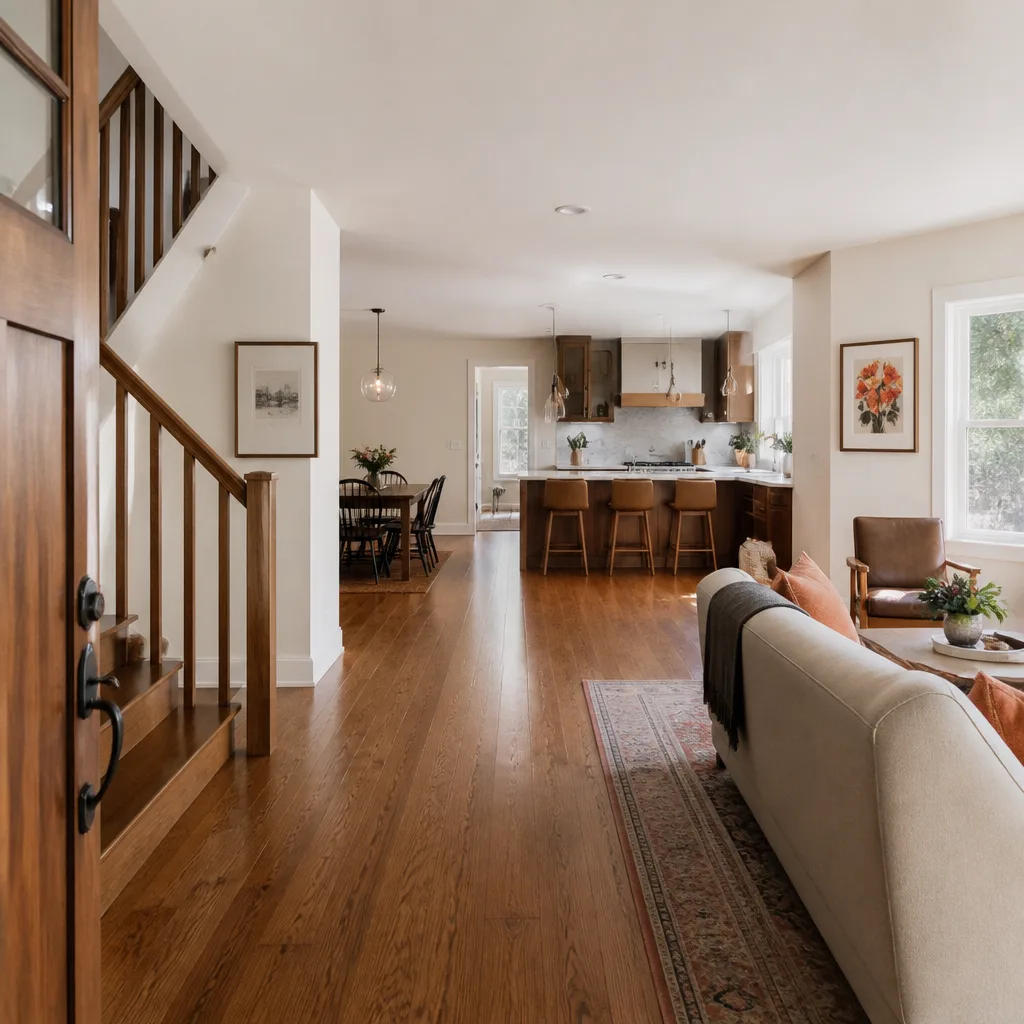
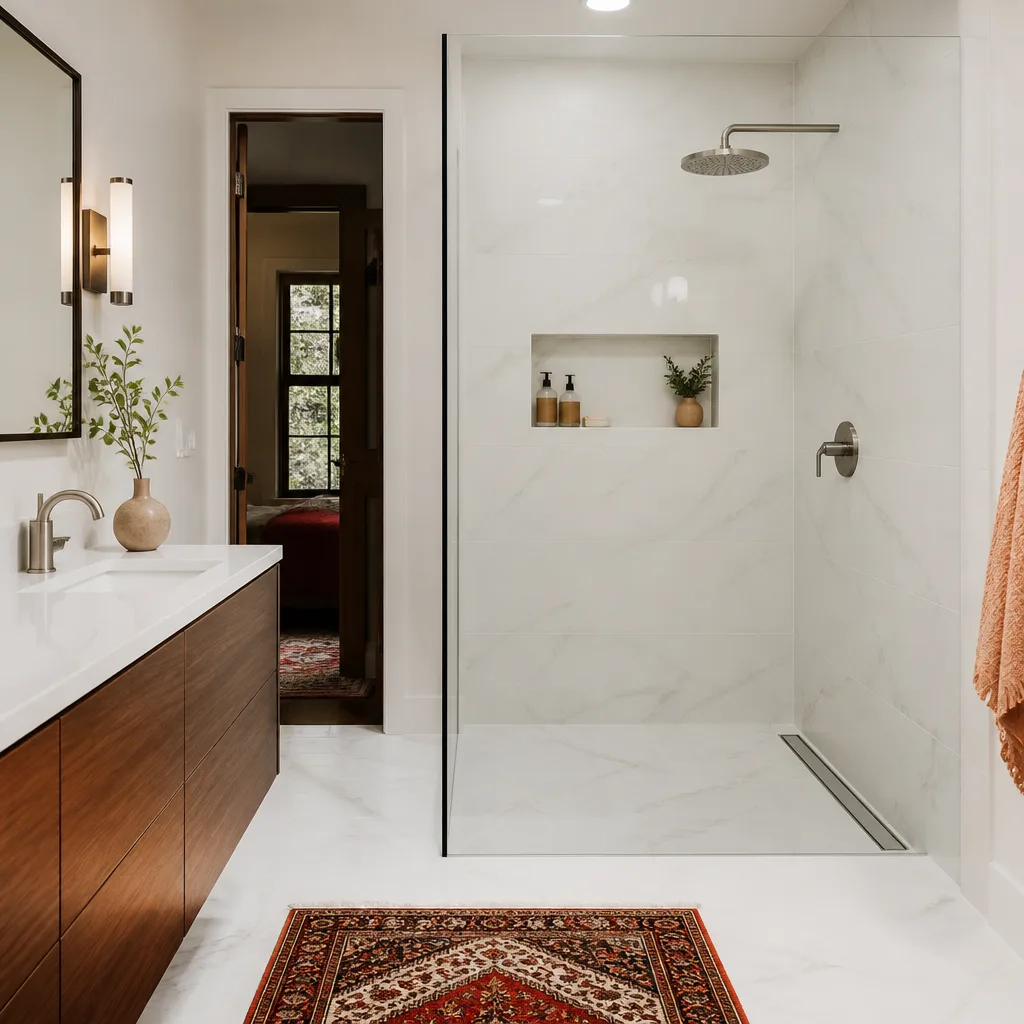
See the difference
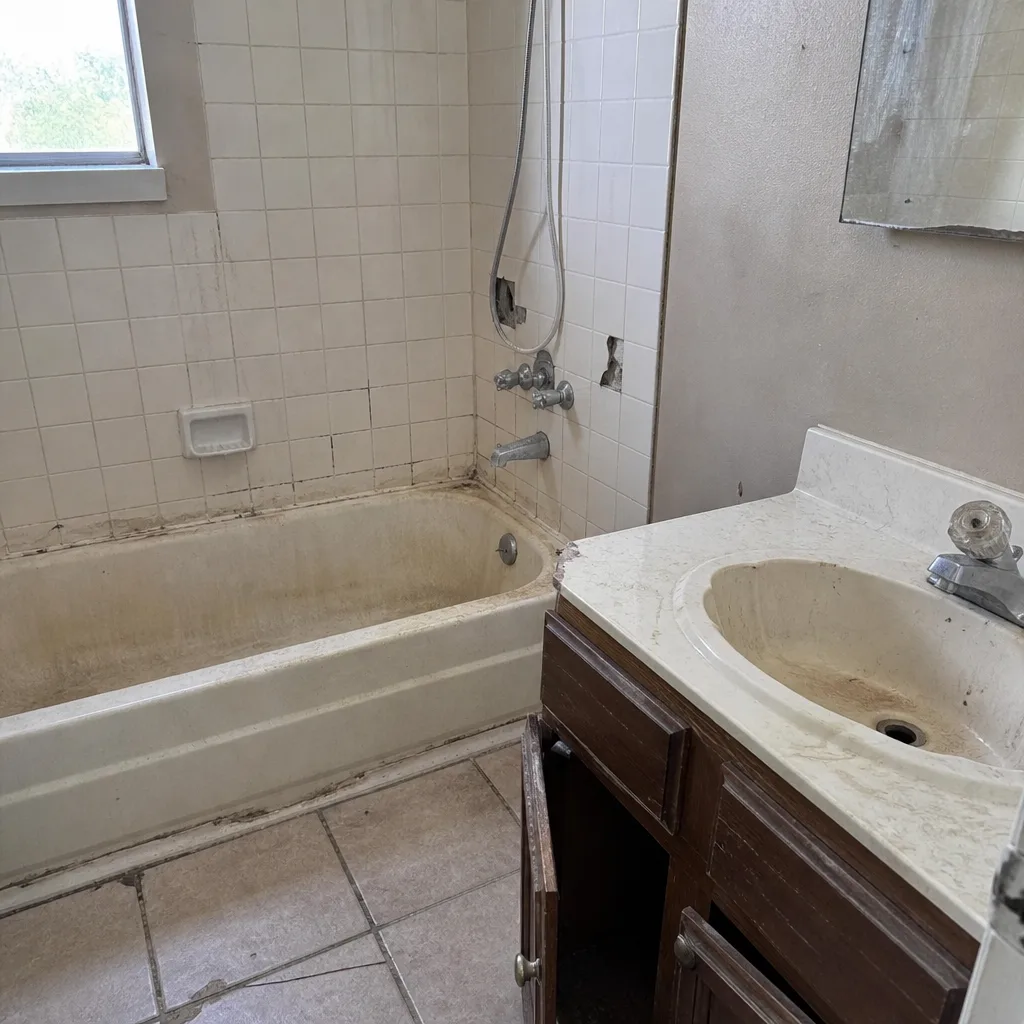 Before
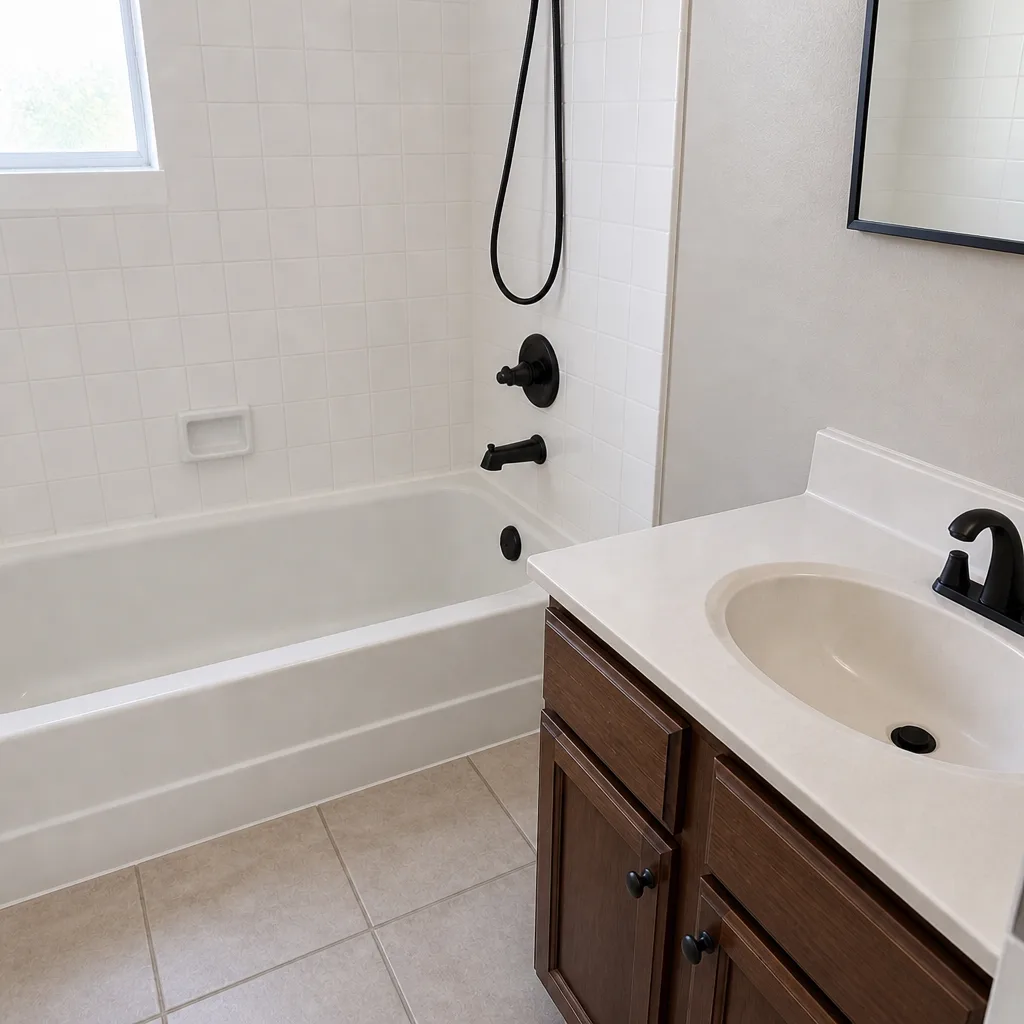 After
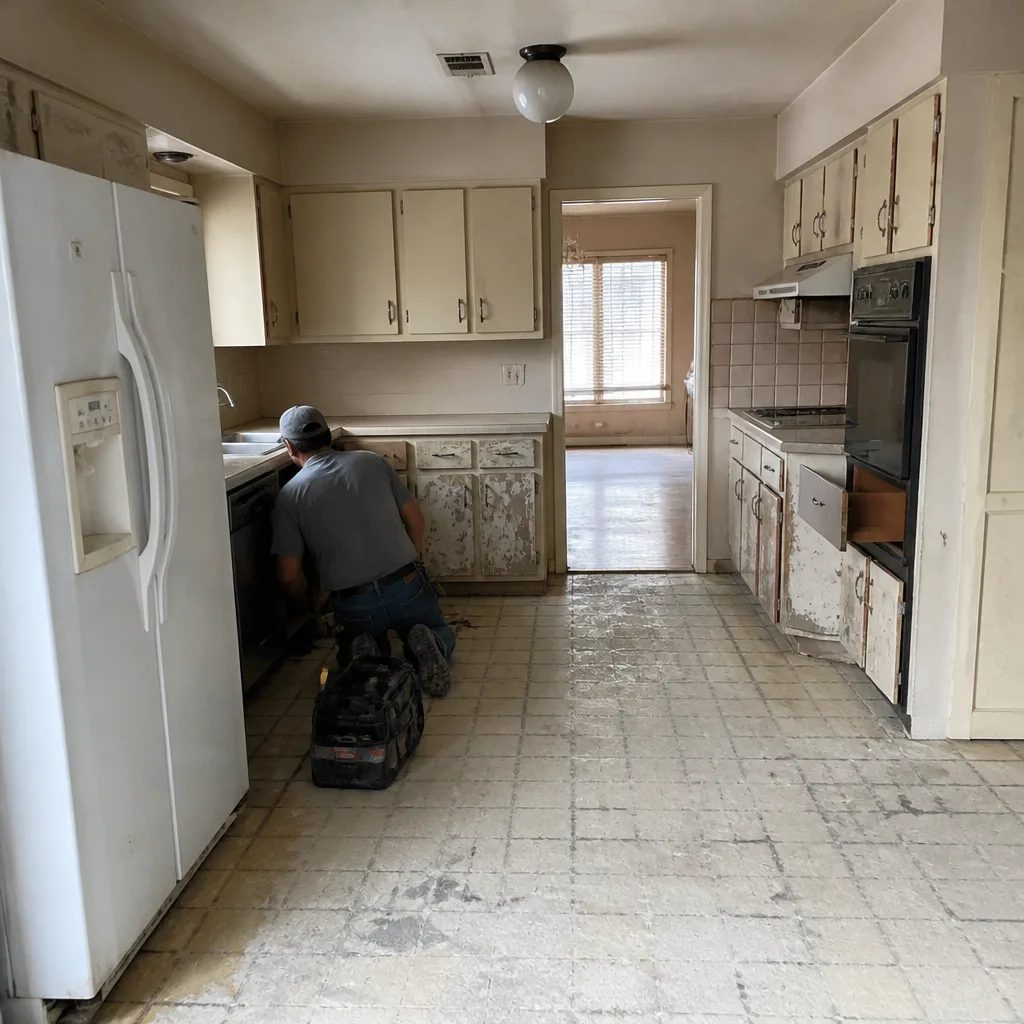 Before
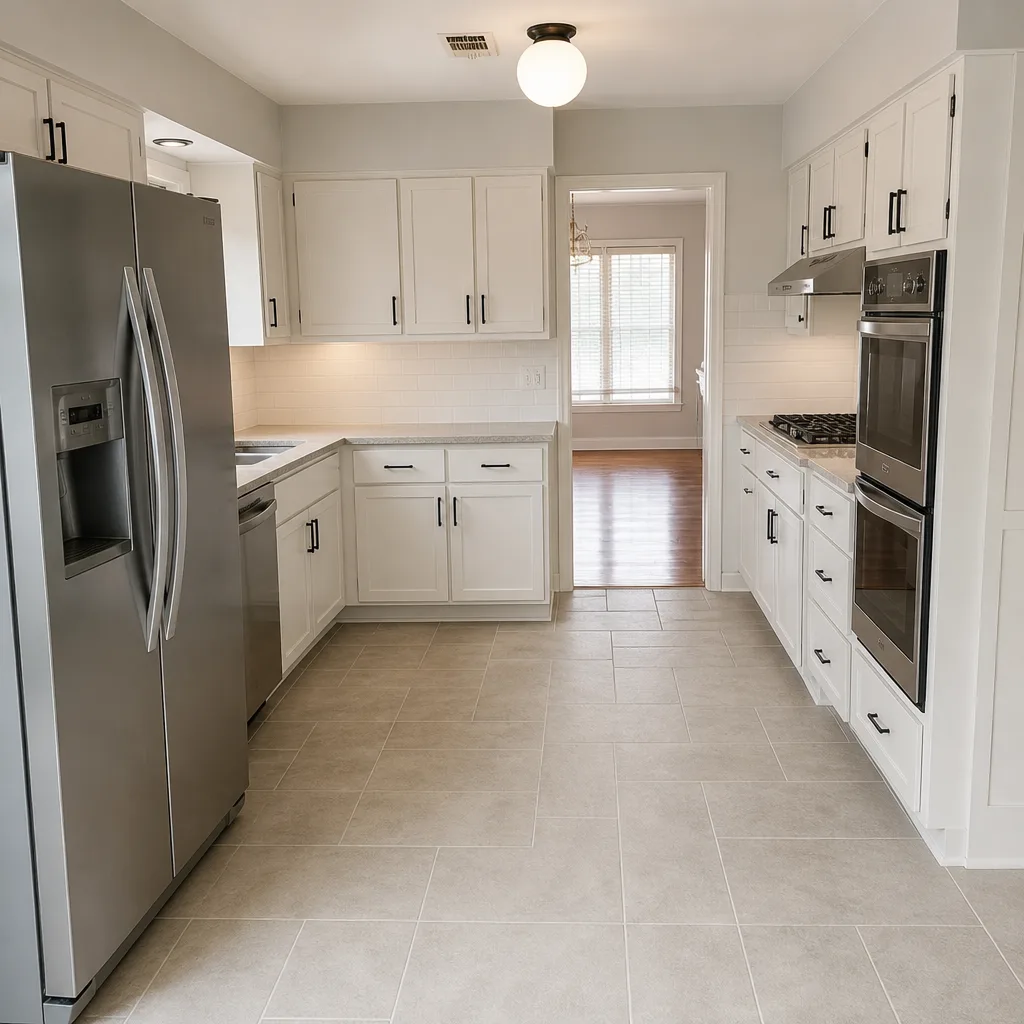 After
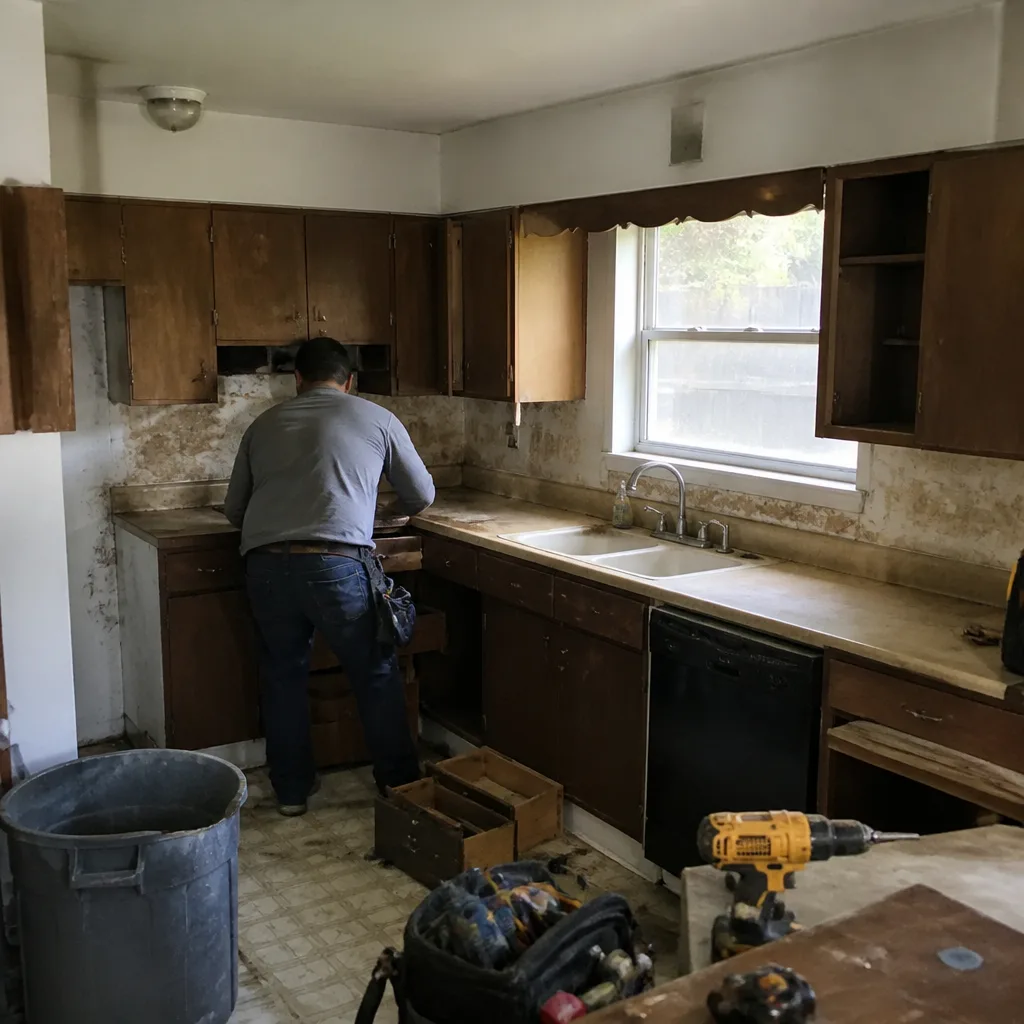 Before
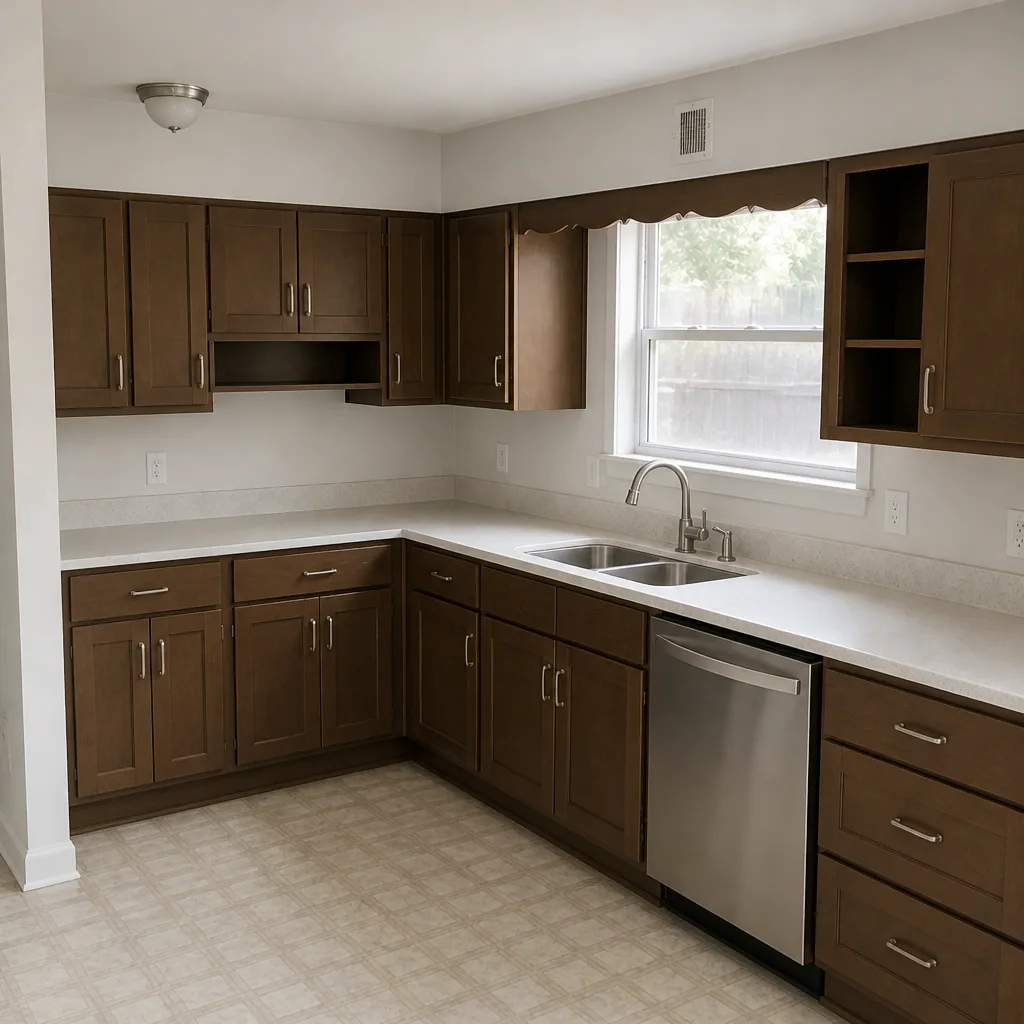 After
When to Call a Professional
Call in licensed help when the project touches structure (walls, headers, beams), systems behind a wall (electrical, plumbing, gas, HVAC), the roof envelope, or anything requiring a permit and inspection in Frisco. Call us if you’re unsure whether your project falls into one of those categories. We answer the phone and tell you straight, even if the answer is “this one’s fine to DIY.”
Penhallow Remodeling Frisco offers free estimates in Frisco. Every project gets a written price before work starts, a real arrival window, and the 365-Day Done Right Promise backed in writing. If the work fails inside that window, we come back and fix it at no charge, and if the first attempted fix doesn’t hold, the return visit is free. Call (833) 954-5757 to schedule your free estimate and get a real number for your project before you commit to anything.
Frequently Asked Questions
Yes, if the work touches plumbing, electrical, gas, or structure. Cosmetic-only work (cabinet refacing, paint, countertop replacement) generally does not require a permit. Anything moving a sink, adding a circuit, or removing a wall does. Call (833) 954-5757 if you’re not sure where your project falls.
No. Electrical work in Texas requires a licensed electrician, and any permitted scope requires an inspection by the local authority. Homeowners can do many projects themselves, but not electrical work that requires a license. Call us to get a written price for the electrical portion of your project.
You can lose coverage for the specific damage caused by unpermitted work, though a full policy cancellation is less common. Insurers can limit or deny claims where the unpermitted work contributed to the loss. It’s worth reading your policy exclusions before starting anything that requires a permit. If your scope requires a permit, call (833) 954-5757 to get a licensed contractor involved.
Owner-builder status means the homeowner pulls the permit and takes legal responsibility for code compliance and job-site safety. It shifts injury liability onto you significantly if anyone is hurt during the work. For anything beyond cosmetic projects, we recommend a licensed general contractor who carries general liability coverage. Call (833) 954-5757 for a free estimate if you’d rather not take on that exposure.
Yes. Buyers and their agents routinely pull permit history before making an offer, and open or missing permits for visible newer work become negotiating chips. Expect inspection contingencies or price reductions at negotiations. Call (833) 954-5757 if you’re preparing to sell and want to understand what a compliance pass on your home would cost.
Frisco bathroom remodels generally run $14,000 to $38,000 through a licensed contractor, with the range driven by tile selection, fixture brands (Kohler and Moen sit in different price tiers), layout changes, and whether plumbing relocates. Doing the demo yourself typically removes $800 to $2,400 from the bill. Call (833) 954-5757 for a written line-item price, not a ballpark.
The Bottom Line
The DIY-versus-hire decision in Frisco comes down to three questions: does this scope require a permit, does the material warranty depend on certified installation, and does doing it myself move liability onto me in a way my insurance won’t cover? Cosmetic work and prep tasks are fair game. Anything touching structure, systems, or the permit record is where the math flips. Get a written price before work starts, keep the permit trail clean, and if you want a licensed contractor to carry the risk on a project, call Penhallow Remodeling Frisco at (833) 954-5757. Every project includes a written price, a real arrival window, and the 365-Day Done Right Promise.
Written by the team at Penhallow Remodeling Frisco.