Last updated November 18, 2026
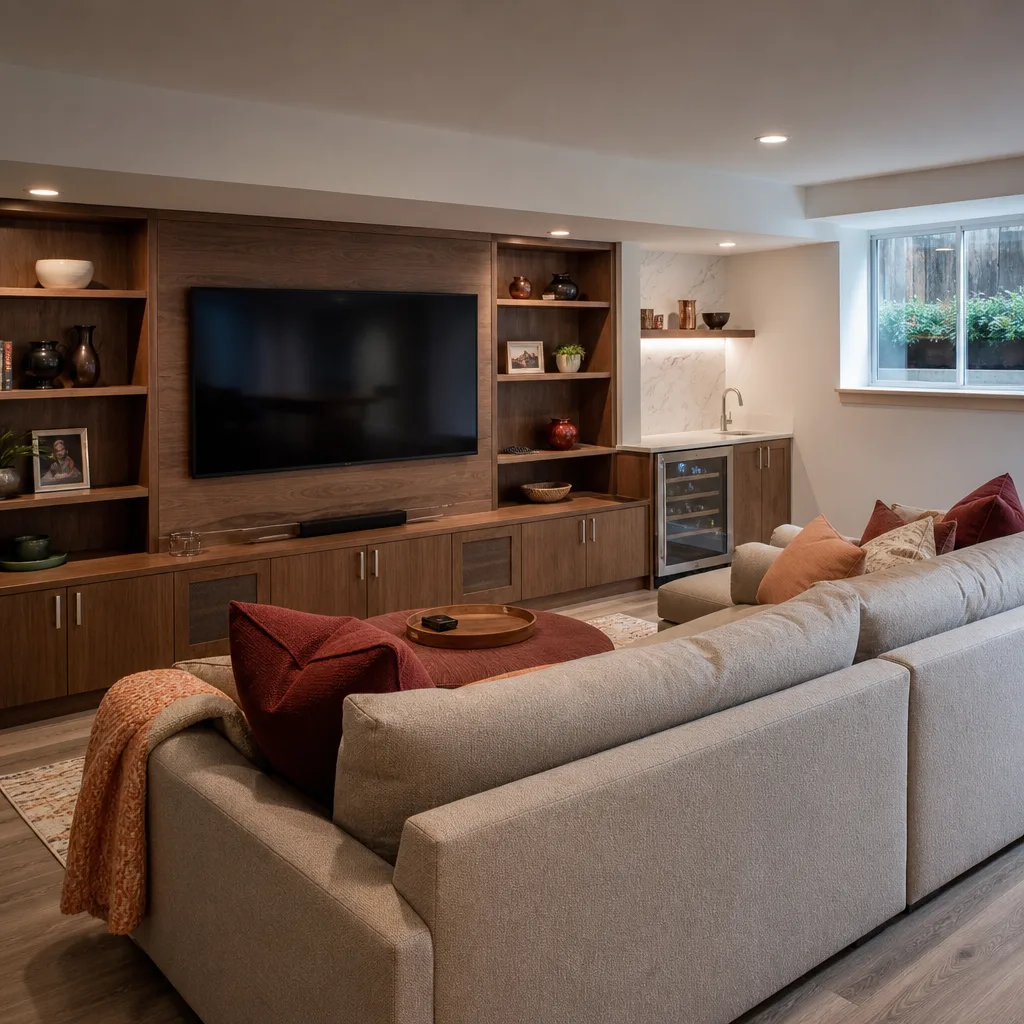
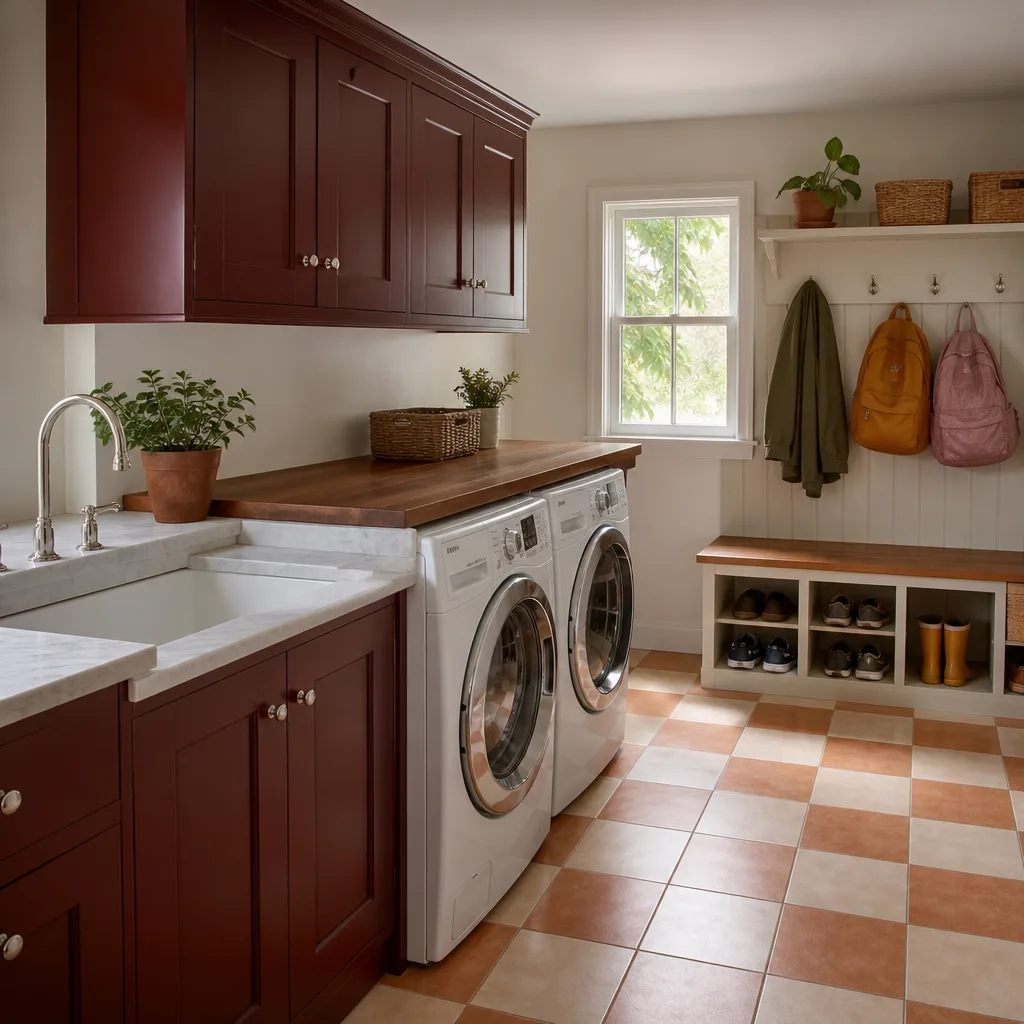

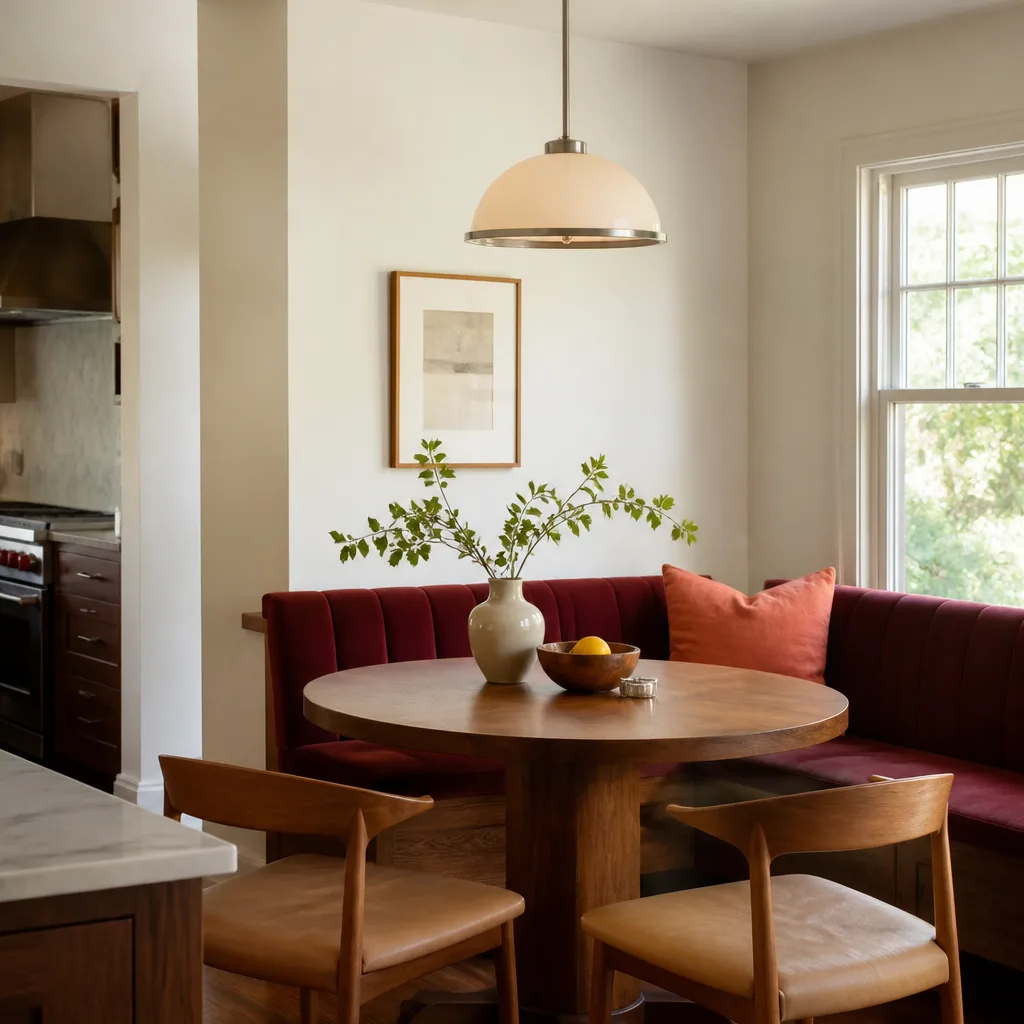
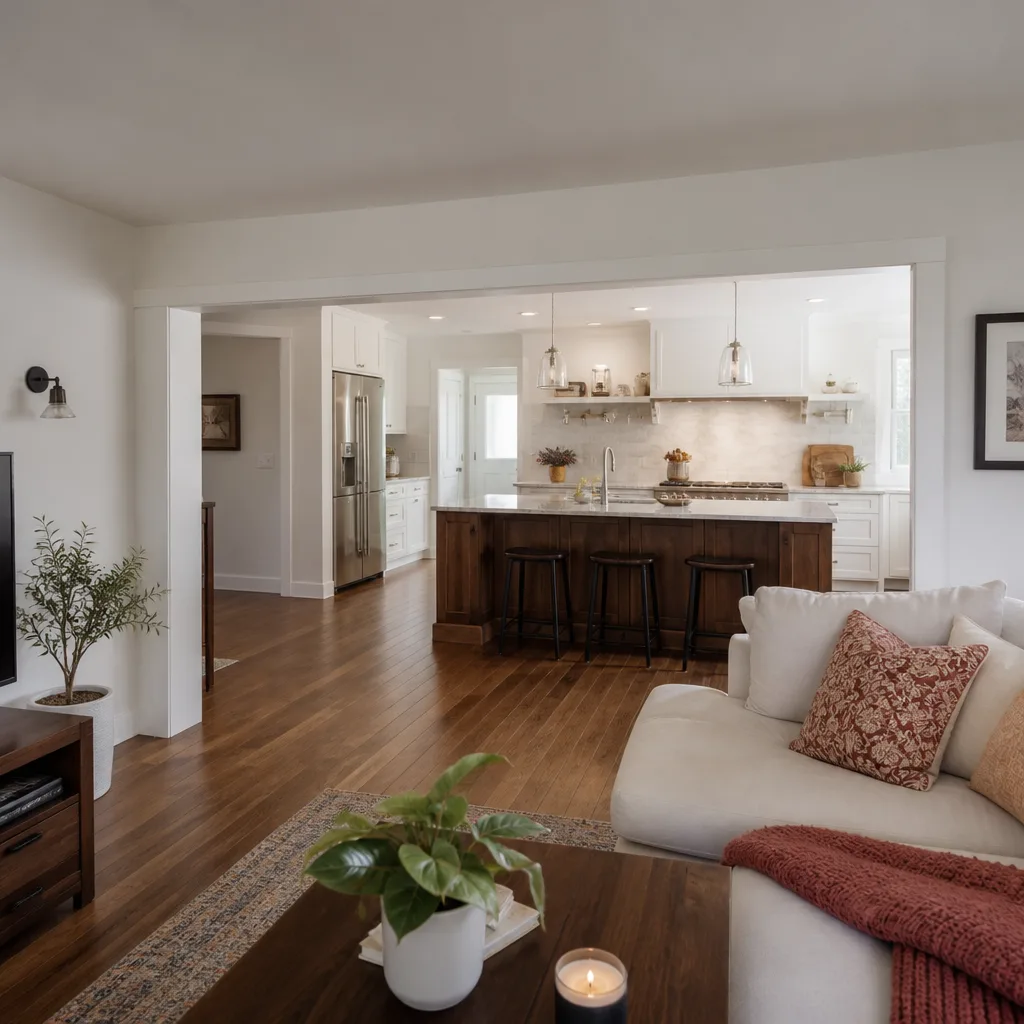
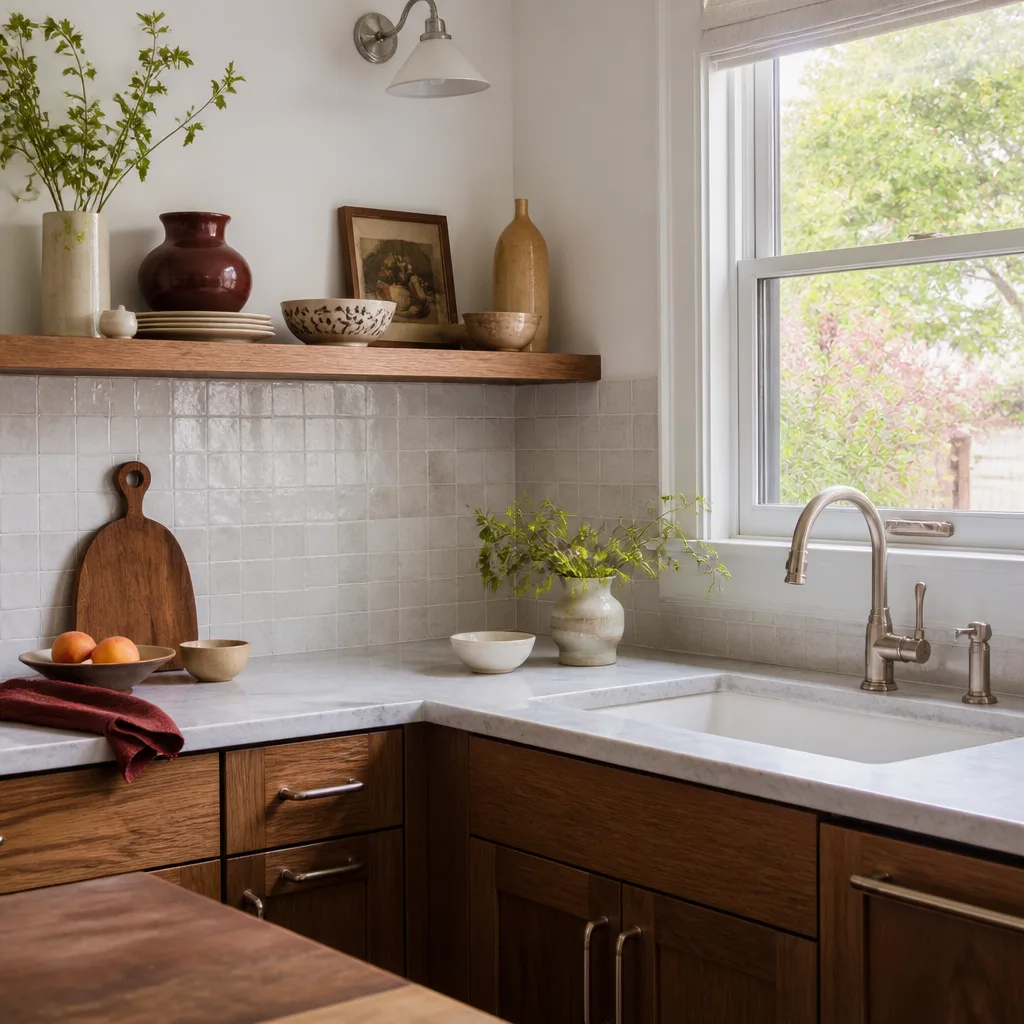
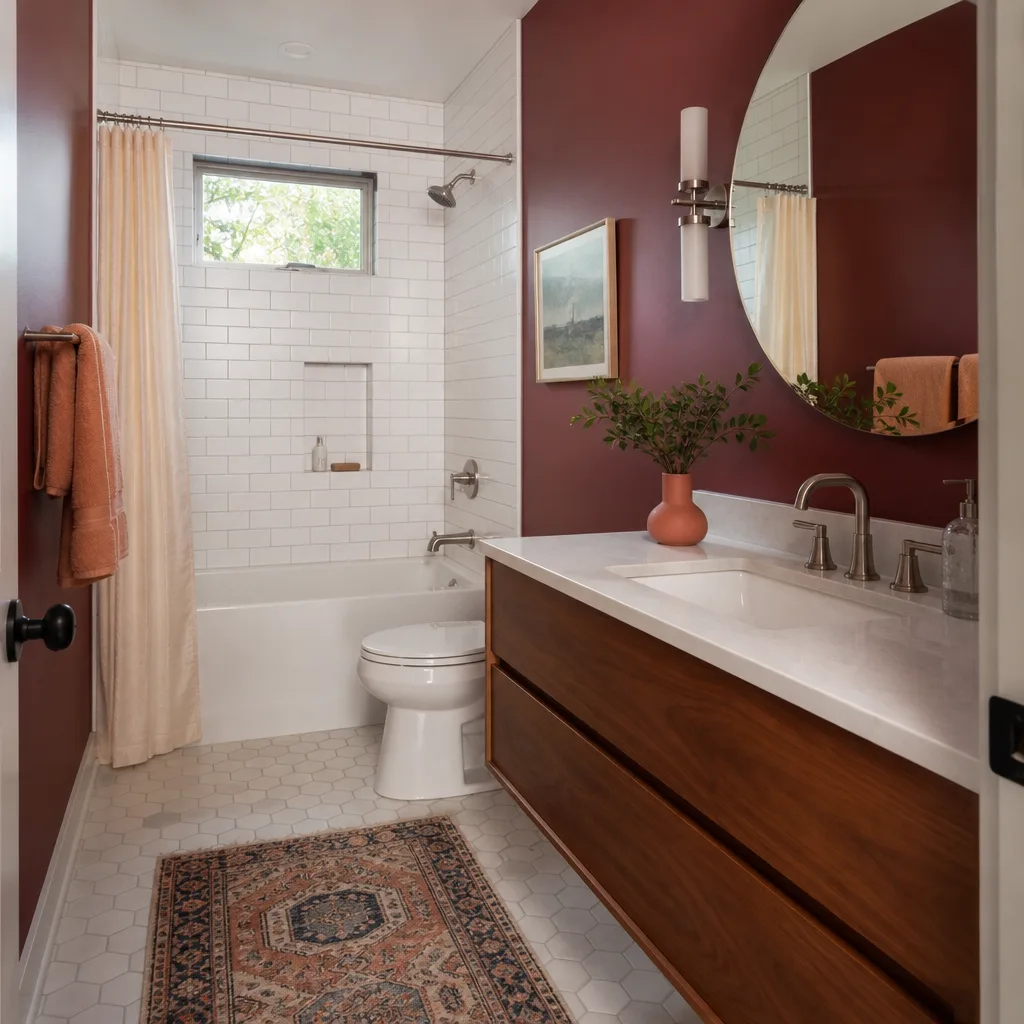
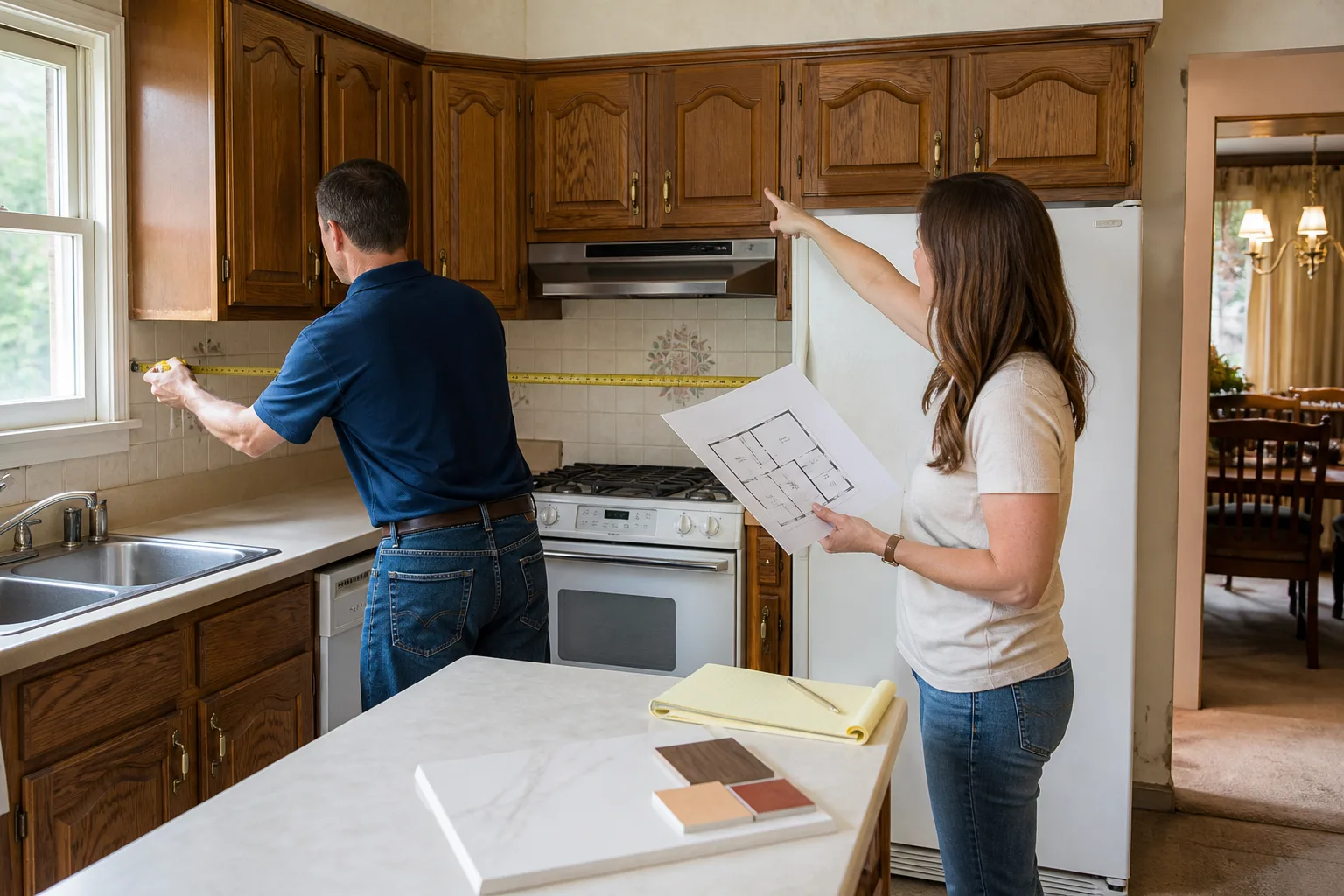
Free written scope consultation - allowances, timeline, and change-order rules on paper before a single trade is scheduled
The Complete Home Remodeling Guide for Frisco Homeowners
Here’s the part nobody tells you before demo day: in Frisco, a whole-home remodel done poorly can cost you money twice. Once when you pay for it, and again at resale, because Frisco buyers walk into your kitchen and compare it to the new build two streets over with the quartz waterfall island and the soft-close everything. Your finishes have to compete with new construction, not just with the house next door. This guide covers what that reality means for your budget, your timeline, your permits, and your sanity over the next nine months. We’ll walk through sequencing, permitting, ROI by room, and what a written price should actually look like at this scale. No fluff, no design Pinterest, just the decisions that determine what your Frisco home is worth when it’s finished.
Quick Answer
Whole-home remodeling in Frisco typically runs $75,000 to $400,000+ depending on square footage, scope, and finish level, and the projects that hold value are the ones sequenced so rough-in trades finish before finish carpentry touches a wall. The single biggest factor in whether the job succeeds isn’t the tile you pick – it’s whether you have a written scope, a written price, and one accountable party when something goes sideways in month six. Most Frisco whole-home projects take 6 to 14 months from first estimate to final inspection.
Styles & brands we work with
- Kitchen remodeling
- Bathroom remodeling
- Home additions & ADU
- Roofing
- Windows & doors
- Driveway & pavers
- Fence
Table of Contents
- How Do You Sequence a Whole-Home Remodel in Frisco?
- What Does Frisco’s Permit Office Actually Require?
- Should You Hire a General Contractor or Manage Subs Yourself?
- Which Rooms Recover Cost at Resale in Frisco?
- What a Written Price Looks Like at Whole-Home Scale
- How Do You Actually Live Through a Whole-Home Remodel?
- How Do You Choose the Right Contractor in Frisco?
How Do You Sequence a Whole-Home Remodel in Frisco?
Most remodeling guides skip sequencing because it’s unglamorous and hard to photograph. But the order in which trades touch your house determines whether you spend the last three weeks of a project watching a finish carpenter pull baseboards because the electrician needed one more outlet. In our experience across Frisco projects, the correct sequence is counterintuitive: the trades you barely think about come first, and the ones you obsess over come last.
The right order for a whole-home remodel:
- Structural and framing changes. Load-bearing wall removals, new headers, subfloor repairs. Everything that changes the shape of the house happens before anything finished goes in.
- Rough-in plumbing, electrical, and HVAC. All of it, in every room that’s getting touched. This is where a whole-home project is won or lost. Get it all inspected at once if your scope allows.
- Insulation and drywall. Spray foam or batts, then drywall, then tape and float. No finish material goes up until this is done and dust has settled.
- Flooring substrate and tile. Hard floors go in before cabinets so the cabinet sits on top, not behind a floating floor you’ll be cutting around.
- Cabinets and countertop templating. Cabinets first, then templating. Cambria and Silestone counters are templated after cabinets are set, not before – which means your counter timeline starts when cabinets land, not when they’re ordered.
- Fixtures, trim, paint, touch-up. The stuff you’ll actually see, installed after every rough trade is out of the house.
The mistake we see most often in Frisco is homeowners phasing the project by room rather than by trade. You end up with drywall dust in a bathroom you finished three months ago, and the finish carpenter has to rework trim because plumbing needed another access panel. Sequence by trade. Not by room.
What Does Frisco’s Permit Office Actually Require?
Frisco’s permitting structure for a multi-trade remodel is generally more efficient than most homeowners expect, but only if you file correctly the first time. A single-trade permit (kitchen cabinet swap, bathroom vanity replacement, flooring) is straightforward and can move through in a matter of days. A multi-trade remodel that touches plumbing, electrical, and structural elements at once triggers a full plan review, and that timeline runs longer – typically several weeks to a couple of months depending on the review queue and how many revision cycles your plans go through.
What triggers full plan review on a Frisco whole-home project:
- Any structural wall removal, including non-load-bearing walls that frame plumbing or electrical
- Moving or adding plumbing fixtures (relocating a sink, adding a bathroom)
- Electrical panel upgrades or service changes
- Adding square footage or changing the exterior envelope
- Anything that changes the occupancy classification or egress routing
What we do to batch permits efficiently: submit all trades on a single combined application with a coordinated set of plans, rather than filing separately over several weeks. The Frisco plan review team reviews combined applications as a package, which means one review cycle instead of three separate queues. If the scope allows phased permitting (say, structural shell first, then finishes), we sequence the submittals to front-load the structural review so framing can start while finish-trade paperwork is still in queue. It’s not faster than filing once and waiting. It’s faster than filing wrong and refiling.
The realistic timeline for a whole-home Frisco project: plan review typically runs four to eight weeks on a full-scope submittal, with longer cycles on anything with unusual structural or egress components. Build in inspection windows at each phase – framing, rough-in, and final – because your timeline lives or dies on those inspection slots. A general contractor in Frisco who files regularly with the city will know the current review window and can submit accordingly.
Should You Hire a General Contractor or Manage Subs Yourself?
This is the honest answer most remodeling guides won’t give you: both approaches can work, and choosing wrong is expensive either way. Owner-managed projects save real money on projects with narrow, well-defined scope – a bathroom remodel where you’re only coordinating three trades, or a kitchen where the layout isn’t moving and the plumbing stays put. On that kind of project, you can save the GC markup (typically 15% to 25% on subcontractor cost) and manage the schedule yourself with a decent spreadsheet.
On a whole-home Frisco remodel, the math usually flips. Here’s why:
- Trade conflict resolution. When the plumber and the tile setter both need the same floor space the same week, someone has to arbitrate. A GC does that. You probably don’t.
- Sequencing accountability. If rough-in runs late because the electrician’s inspection failed, somebody eats that delay. With a single GC, it’s in writing. Self-managed, it’s your problem.
- Warranty coverage. Your plumber guarantees his rough-in for one year. Your tile setter guarantees the tile. When the shower pan leaks in month nine, who’s responsible? On a self-managed project, that’s a debate. With a single contracting party, it’s one call.
- Permit liability. On a self-managed project, you’re the one filing and passing inspections. In Frisco, that’s a real time commitment.
- Insurance and liability. If an uninsured sub gets hurt on your project, that’s on you. A GC carries general liability and workers’ comp coverage for their subs.
Rough rule of thumb from our Frisco experience: on a project with four or more trades and a schedule that runs longer than twelve weeks, the GC markup usually pays for itself in delay avoidance, warranty simplicity, and the fact that you don’t have to argue with your own subcontractors. On a project with three or fewer trades and a defined scope, self-managing can be a legitimate cost play.
Which Rooms Recover Cost at Resale in Frisco?
Frisco’s resale market rewards updates, but not all updates equally. The gap between a project that pays you back at resale and a project that’s purely for your own enjoyment is wide, and it’s worth being honest with yourself about which one you’re doing. Here’s the breakdown we’ve seen hold up across Frisco projects:
- Full kitchen remodel. Often recovers 55% to 70% of cost at resale in Frisco’s market, but only if the finish level matches the neighborhood’s comp set. An $80,000 kitchen in a neighborhood of $45,000 kitchens is over-improving. A kitchen with dated finishes in a neighborhood of new construction is under-performing.
- Primary bathroom remodel. Typically recovers 50% to 65%, and a very strong cosmetic refresh (paint, fixtures, countertop) recovers a higher percentage per dollar than a full gut-and-rebuild.
- Adding a bathroom. Strong resale performer when it takes a house from one bathroom to two, or two to three. Weak performer when it adds a fourth bathroom nobody needs.
- Whole-home cosmetic refresh (paint, floors, lighting, hardware). Highest dollar-for-dollar resale recovery of any project type – often 80%+ – because you’re resetting the whole house’s perceived age for the lowest cost per square foot.
- Finished garage conversion, home theater, pool. These are personal-use decisions. Don’t justify them with resale math. In Frisco, a pool can reduce your buyer pool as often as it expands it, and a conversion-to-living-space is valued at a fraction of its cost.
If resale is your primary driver, the ranking is clear: cosmetic whole-home refresh first, then primary bathroom, then kitchen – and only at finish levels matched to the neighborhood. If you’re staying in the home for a decade or more, ignore all of this and build what you actually want to live in. The math changes when you’re the buyer.
What a Written Price Looks Like at Whole-Home Scale
A verbal ballpark works fine for a $4,000 bathroom refresh. It falls apart completely on a $200,000 whole-home remodel, because the number of scope decisions that can each shift the price by thousands is enormous. What should be in writing, before any work starts:
- Line-item scope by trade and by room. Not “kitchen remodel – $62,000,” but the cabinetry line, the countertop line, the appliance install line, the tile line, the electrical line. Each with a dollar amount.
- Allowances and what triggers a change order. If a line item is an allowance (say, $8,000 for tile), the written scope should say what happens if the actual selection comes in at $11,000. Change-order process in writing, not verbal.
- What’s excluded. Appliances? Landscaping repair after dumpster removal? Painting the exterior? Every exclusion in writing is a dollar you won’t argue about in month five.
- What product brands are specified. KraftMaid or Wellborn cabinetry, Cambria or Silestone quartz, Kohler or Moen fixtures – named, not “builder-grade” or “premium.” Brand specification is what makes a written price enforceable later.
- The warranty in writing. How long it lasts, what it covers, and exactly what happens if something fails. Our 365-Day Done Right Promise is included on every project, and it means if the work fails within the guarantee period, we come back and fix it at no charge – in writing, not verbally.
- Who calls whom when something’s wrong in month nine. On a whole-home project, this question is the whole ballgame. The written scope should name the responsible party, the phone number, and the process.
A written price before work starts means the number on day one is the number on the invoice. Not a verbal estimate range that quietly expands at the door. That’s the entire principle, and it matters more on a whole-home project than anywhere else.
How Do You Actually Live Through a Whole-Home Remodel?
Family displacement is a cost most whole-home guides completely ignore, and in Frisco it’s real. If your project touches the kitchen and both bathrooms, you cannot live in the house for chunks of the schedule. The carrying costs of that displacement – temporary rent, storage, school-boundary disruption, two households of utilities – can run $3,000 to $8,000+ per month depending on where you stage yourself, and on a nine-month project that becomes a real line item in the budget.
What works in practice:
- Move out for the heavy phases. Demo, rough-in, and drywall are the phases where living on-site is genuinely unlivable. Budget your temporary housing for that window, then move back in once finish work begins.
- Sequence one bathroom as the “last to go” bath. If the project allows, keep one functioning bathroom until the very end so a partial move-back is possible while the last bathroom is finished.
- Stage a temporary kitchen. A garage-corner setup with a microwave, mini-fridge, and a folding table is manageable for three months. It is not manageable for nine. Know your limit.
- Lock the arrival windows in writing. Every phase should have a written arrival window from your contractor. A “we’ll be there Tuesday-ish” project becomes an indefinite timeline the moment it slips.
- Schedule the inspection calendar before demo starts. Frisco inspection windows are finite, and a failed inspection on rough-in can push the whole project two weeks. Get the calendar set in advance.
How Do You Choose the Right Contractor in Frisco?
The Frisco contractor market is dense, and the sales process often rewards the wrong signals. The bid that comes in 20% lower than everyone else is usually the bid with the biggest allowance gaps, and the contractor who answers the phone the fastest during business hours may be the one who never answers when something’s wrong in month seven. What actually matters:
- Live phone coverage. Not a call-center, not a callback window, not voicemail. A real person, whenever you call. If something goes wrong at 9pm on a Thursday in month five, you need to reach someone.
- Background-checked, uniformed technicians. Every professional walking into your home, not most of them. This is standard practice for a serious shop and should be a plain yes.
- Written price before any work starts. Not a range, not a verbal ballpark – a written number you can hold them to.
- Written guarantee. What it covers, how long, and what happens if something fails. The best guarantees have a free return visit clause – no service call fee, no re-inspection fee.
- Product brands named in the scope. KraftMaid or Wellborn for cabinetry, Cambria or Silestone for quartz, Kohler or Moen for fixtures, James Hardie for siding if you’re touching the exterior. Named brands are what make a written price enforceable.
- Recent references in Frisco. Not testimonials on a website. Actual Frisco addresses you can drive past.
The right contractor isn’t the cheapest or the fastest. It’s the one whose written price is complete on day one, whose arrival windows actually hold, and who you can reach when something needs fixing in month nine.
Common Mistakes to Avoid
- Sequencing by room instead of by trade. Finishing the bathroom first means every other rough-in trade that comes through afterward will damage the finish. Sequence by trade phase, not by completed room.
- Filing permits separately over several weeks. In Frisco, a combined multi-trade application moves through one review cycle. Separate filings stack queues and add weeks.
- Accepting a verbal ballpark on a six-figure project. A $180,000 project deserves a $180,000 written scope. Anything less and you’re negotiating scope after demo, when you have no leverage.
- Under-budgeting displacement. If you can’t live in the house, the carrying cost is real. Budget it, don’t discover it.
- Choosing finish levels that don’t match the neighborhood. A $95,000 kitchen in a $45,000-kitchen neighborhood is over-improving, and you’ll take a loss on it whether or not the work is beautiful.
- Hiring the low bid without reading the allowances. A bid $30,000 under the others usually has $35,000 of allowance gaps in it. Read the line items, not the total.
- Not asking who to call in month nine. The single most important question on a whole-home project. If the answer isn’t a person you can reach at a real phone number, keep looking.
See the difference
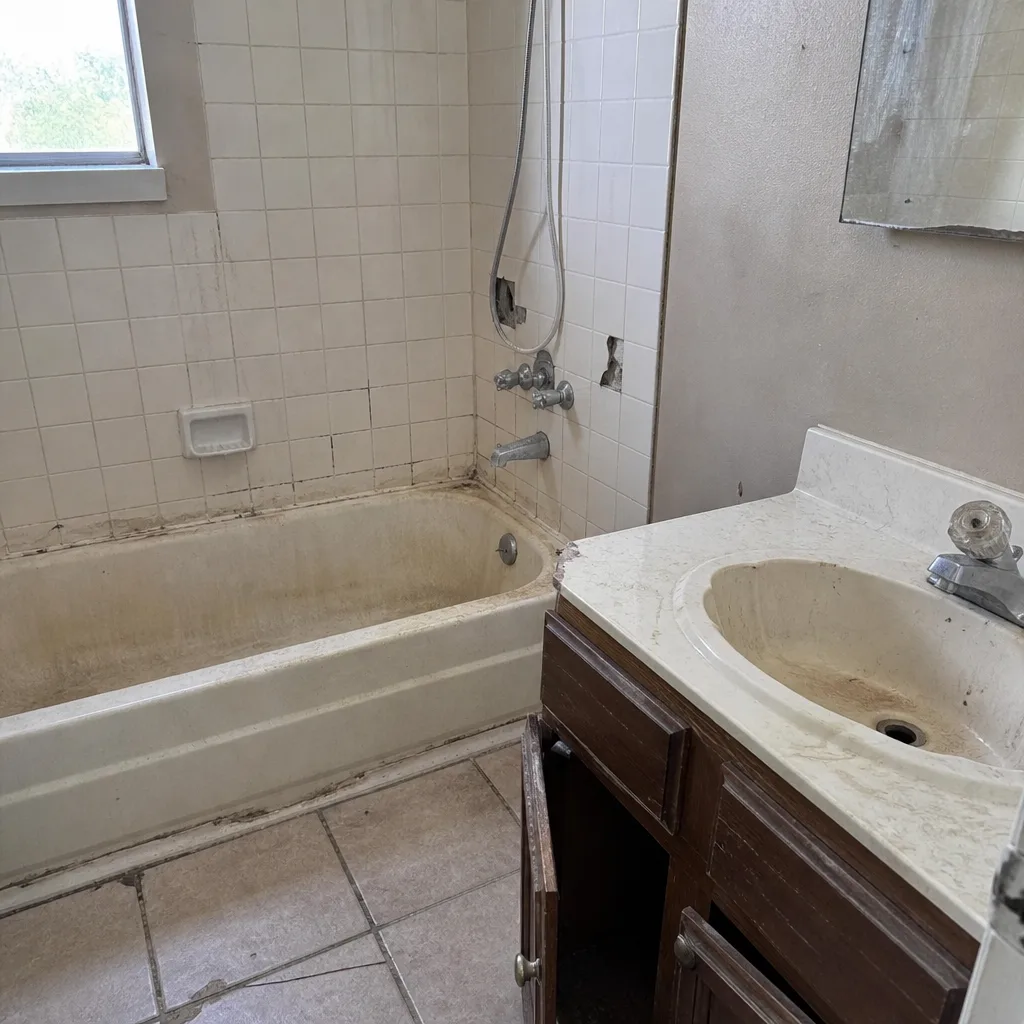 Before
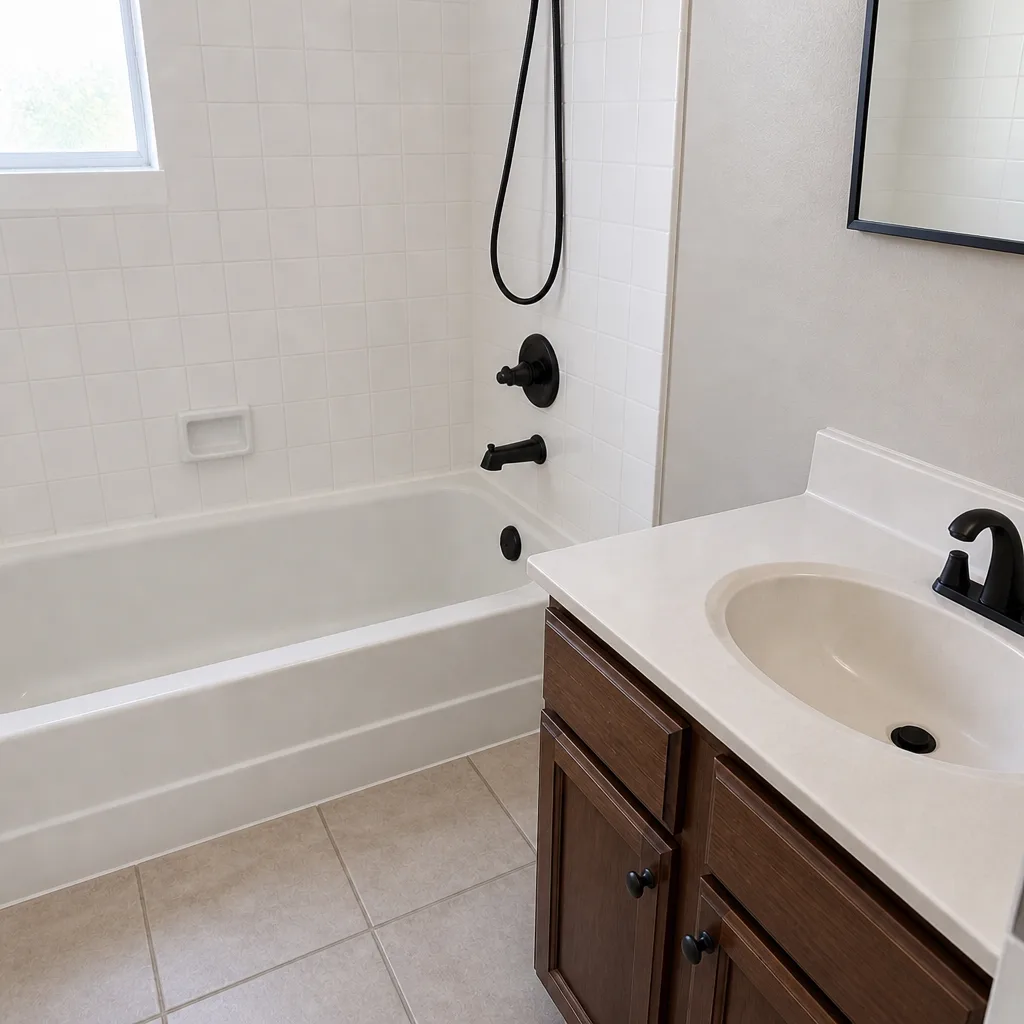 After
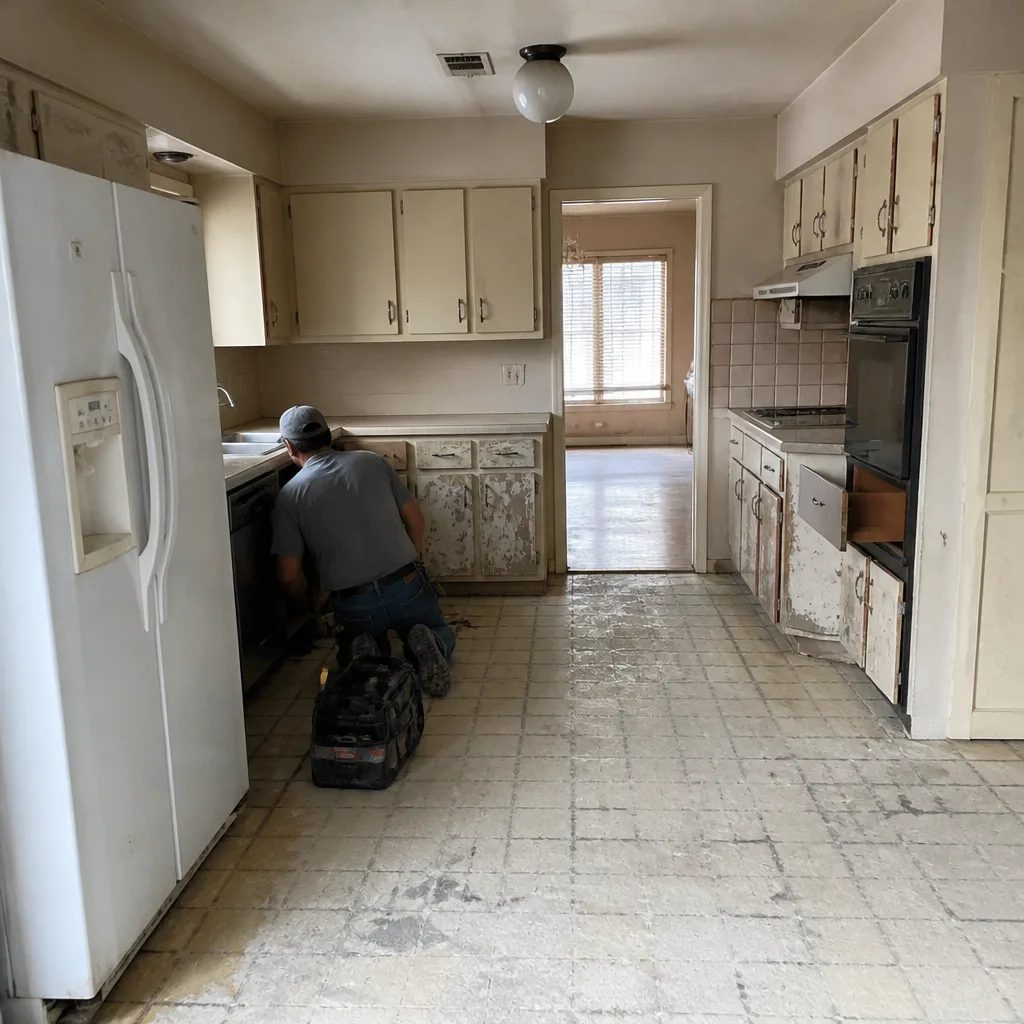 Before
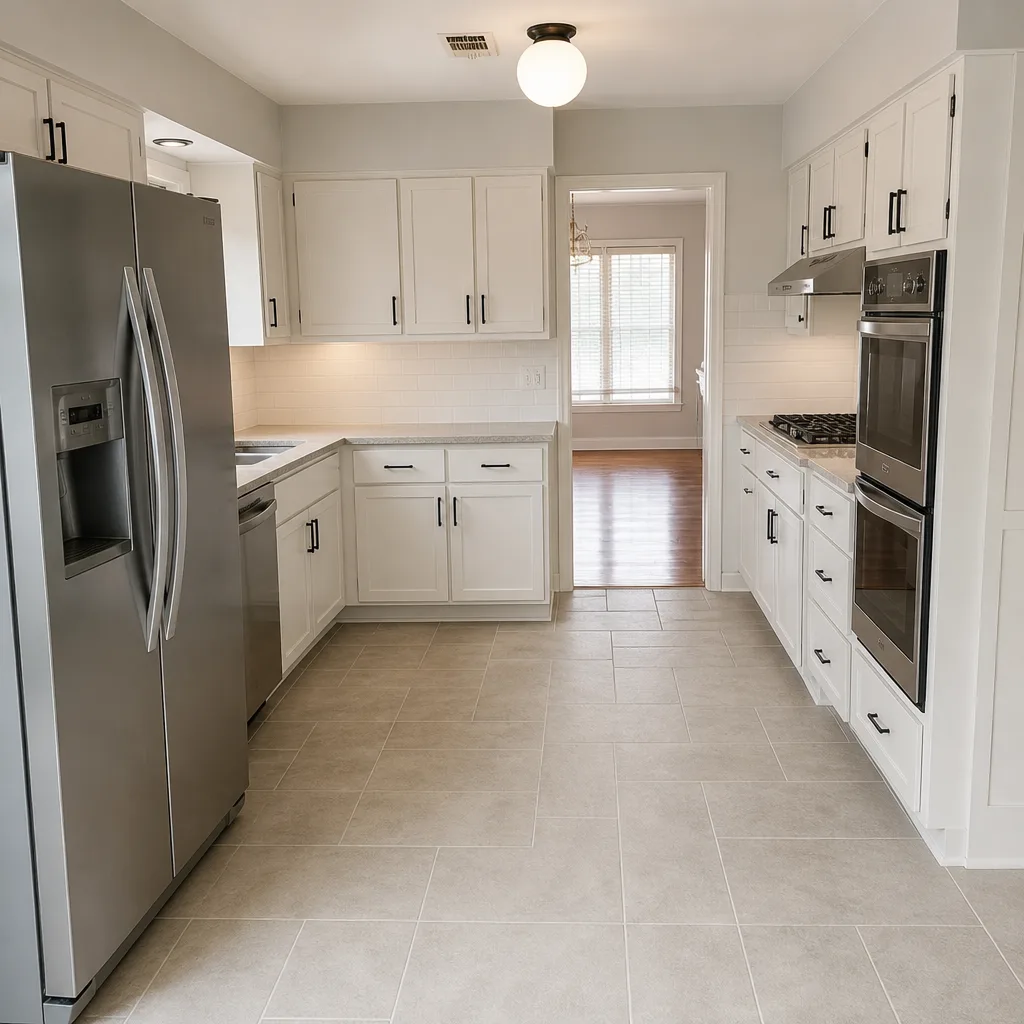 After
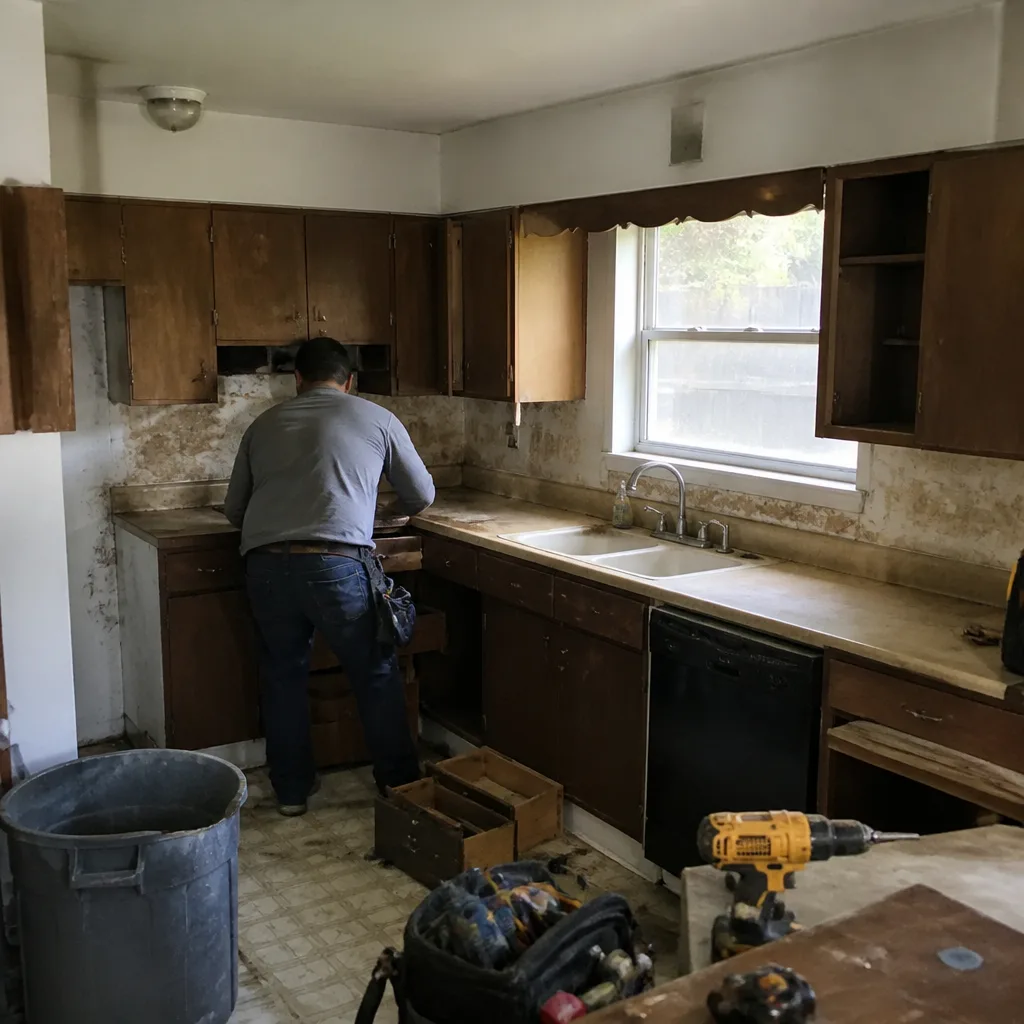 Before
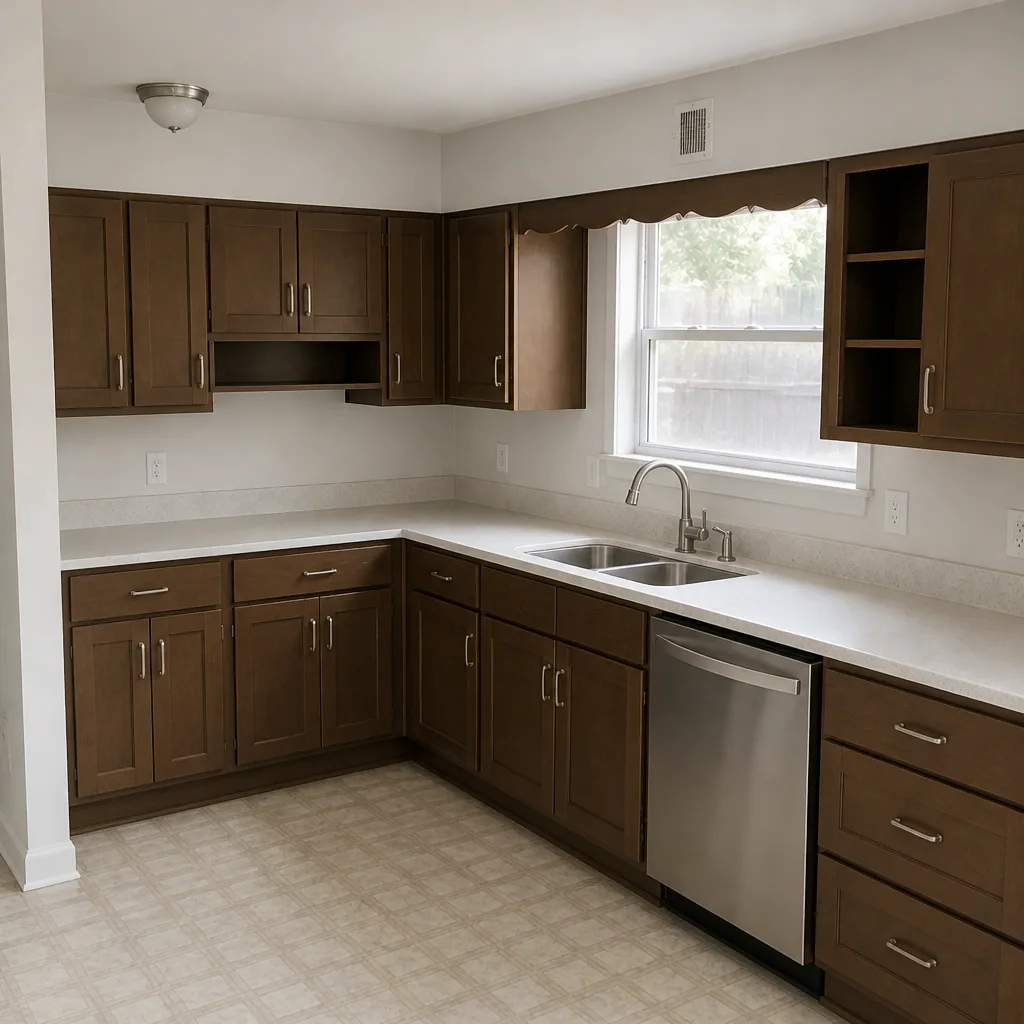 After
When to Call a Professional
Any whole-home Frisco project that touches structural walls, moves plumbing, or upgrades the electrical service should run through a licensed general contractor – the coordination, permit, inspection, and warranty load is simply too heavy for owner-management. If your project touches three or fewer trades and the scope is well-defined (kitchen without layout changes, bathroom without plumbing moves), self-managing is a legitimate choice. If something’s already gone wrong on an in-progress project – a sub who disappeared, a price that changed after demo, a finished element that’s failing – call us for a second opinion before you sign anything else. We offer free estimates in Frisco, and we’ll tell you honestly whether the project needs a full re-bid or a smaller correction. Call (833) 954-5757 to schedule your free estimate. Live person, daytime or nighttime, no voicemail maze.
Frequently Asked Questions

Whole-home remodeling in Frisco typically runs $75,000 to $400,000+ depending on square footage, scope, and finish level. A cosmetic refresh (paint, floors, lighting, hardware) on a 2,500-square-foot home runs $35,000 to $65,000. A mid-grade full interior remodel of the same home with kitchen and bathrooms runs $150,000 to $250,000. High-end custom finish packages push well past $400,000. Call (833) 954-5757 for an exact written quote – estimates are free.
Not on a written price. That’s the point of getting the number in writing before demo day. Change orders happen when you change scope after work starts – a finish upgrade, an added room, a product substitution – and every change order should be in writing, in advance, with a dollar amount attached. The number on day one is the number on the invoice unless you change the scope. Call (833) 954-5757 to see what our written scope looks like on a whole-home project.
Yes, and we file combined multi-trade applications so the whole project runs through one plan review cycle instead of three separate queues. Frisco full-scope plan review typically runs four to eight weeks on a combined submittal, and we sequence inspections phase-by-phase – framing, rough-in, final – so the build schedule doesn’t outrun the inspection calendar. Call (833) 954-5757 for a permit-timeline walkthrough specific to your scope.
Most Frisco whole-home projects run six to fourteen months from signed contract to final inspection, and permit review usually eats four to eight weeks of that at the front. The build phase itself – demo through finishes – is typically six to eleven months depending on scope. Cosmetic-only refresh projects compress to eight to twelve weeks. Call (833) 954-5757 for a realistic timeline against your specific house and scope.
Sequence by trade phase, not by room. Structural work first, then rough-in plumbing and electrical and HVAC through every room in scope, then insulation and drywall, then flooring substrate, then cabinets and countertop templating, then fixtures and trim and paint. Finish materials go in last, after every rough trade has left the house. Sequencing by room means finish trades have to come back through finished spaces to rework rough-in details, and that damage is expensive.
Cosmetic whole-home refresh recovers the highest percentage (often 80%+), then primary bathroom remodel (50% to 65%), then full kitchen remodel (55% to 70%, but only at finish levels matching the neighborhood comps). Additions that take a home from one bathroom to two or two to three recover well; a fourth bathroom, pool, or garage conversion is a personal-use decision, not a resale play. Call (833) 954-5757 to talk through which projects make sense for your Frisco neighborhood specifically.
The Bottom Line
Whole-home remodeling in Frisco is a sequencing problem before it’s a design problem. Get the trade order right, then the permits, then the written price, then the finishes – in that order. Cosmetic refresh pays back highest at resale; kitchens and primary bathrooms pay back well if you match the neighborhood; pools and conversions are for you, not the buyer. The single most important decision on a nine-month project is choosing one accountable party whose price is written before work starts and whose phone actually gets answered in month nine. Everything else is a finish selection. When you’re ready for a real number, our team is here.
Whether you’re planning a full whole-home remodel or starting with a single room, it helps to see how each piece fits together. Explore our kitchen remodeling in Frisco work if the kitchen is first up, our bathroom remodeling in Frisco approach if you’re tackling the primary bath, and our general contracting in Frisco services for the full-project coordination piece. You can also start from our Penhallow Remodeling Frisco home page to see the full scope of what we do.
Ready to put a real number on your project? Call (833) 954-5757 to schedule your free estimate. We’ll walk the house, talk through scope and sequencing honestly, and hand you a written price you can hold us to – backed by our 365-Day Done Right Promise. A live person answers the phone, day or night.
Written by the team at Penhallow Remodeling Frisco.