Last updated November 18, 2026






Free written scope consultation - allowances, timeline, and change-order rules on paper before a single trade is scheduled
Home Remodeling Warning Signs Every Homeowner Should Know
A contractor who changes a verbal estimate at the door isn’t having a bad day. They’re running a margin-recovery tactic that is predictable, documented, and entirely avoidable if you know what to look for in the first conversation. Most homeowners learn to spot problems in the finished product: cracked tile, peeling paint, a door that won’t close. By then, the money is spent and the crew is gone. The more valuable skill is reading a contractor’s behavior before the work starts, when you can still walk away. This guide walks through the pre-contract flags, the during-construction signals, the physical tell-tales that a previous remodel went wrong, and the difference between a legitimate change order and scope creep. We’ve seen all of these play out across Frisco kitchens and bathrooms, and we’ve written this so you don’t have to learn them the hard way.
Quick Answer
The biggest home remodeling warning signs are easy to spot once you know them: verbal estimates with no written scope, pressure to sign the same day, large cash deposits requested upfront, work happening without a pulled permit, and unexplained material substitutions after demo begins. Any one of these is a reason to slow down. Two together is a reason to walk. A contractor who won’t put a written price and a written 365-day guarantee in front of you before work starts is telling you something about their confidence in their own work.
Styles & brands we work with
- Kitchen remodeling
- Bathroom remodeling
- Home additions & ADU
- Roofing
- Windows & doors
- Driveway & pavers
- Fence
Table of Contents
- Pre-Contract Red Flags to Watch For
- During-Construction Warning Signs
- Physical Warning Signs of a Bad Previous Remodel
- Change Orders vs. Scope Creep: How to Tell Them Apart
- Why a Written Guarantee Filters Bad Contractors
- Frisco-Specific Signs the Job Is Going Sideways
- Common Mistakes to Avoid
- When to Call a Professional
Pre-Contract Red Flags to Watch For
The first conversation is the most revealing. Not because a contractor will confess their weaknesses, but because the structure of that conversation shows you how the job will run. A company that gives you a number before picking up a tool is showing you the way they work. A company that says “we’ll figure out the price as we go” is showing you the same thing.
Here are the pre-contract flags worth taking seriously:
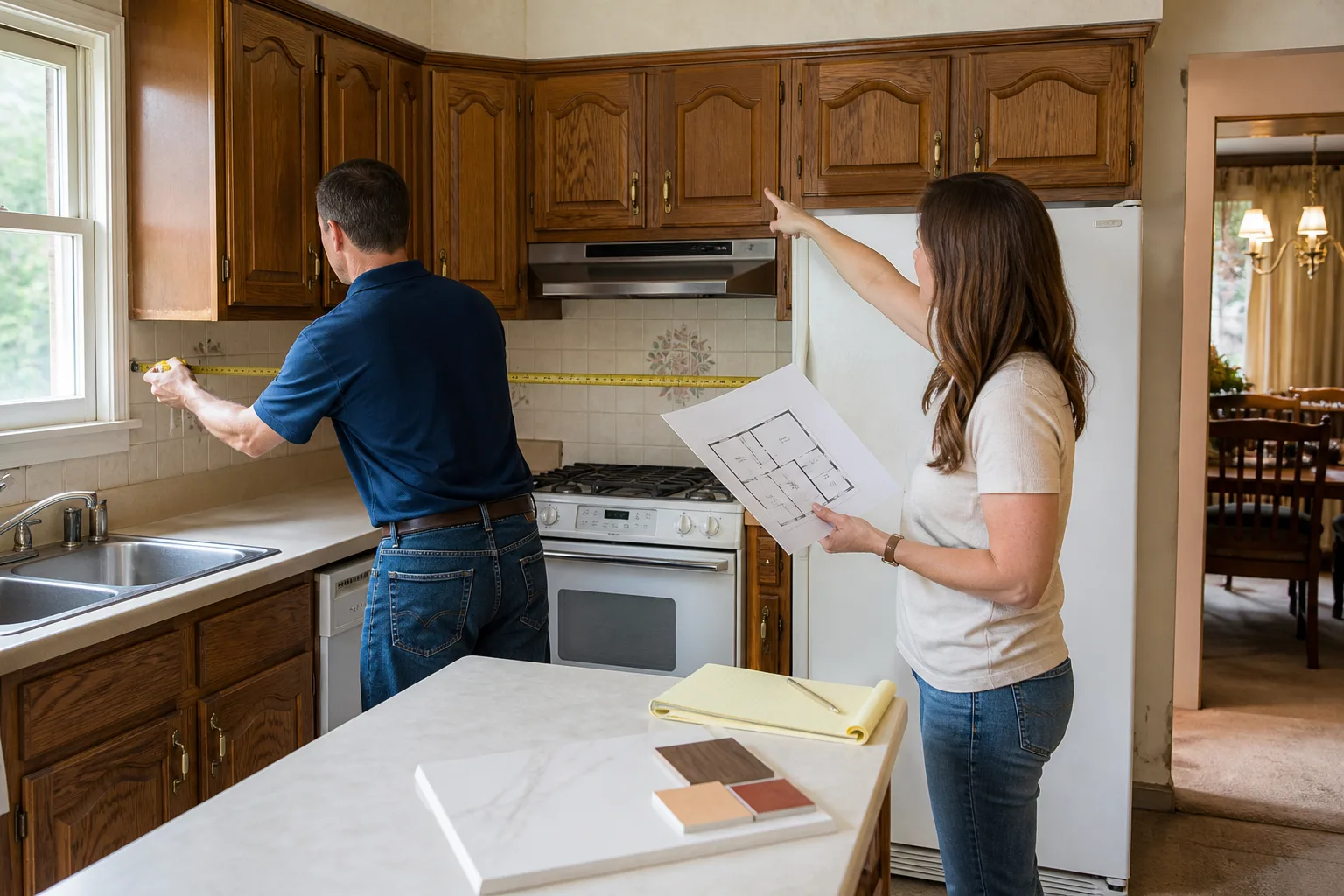
- Verbal estimates only. A verbal ballpark is worth what you paid for it. Ask for a written scope with line-item pricing. If you can’t get the number in writing, you can’t hold anyone to it. This is the single most important filter, and it’s why a written price before work starts sits at the center of how we run every project.
- No written scope. The estimate says “$32,000 for kitchen.” That tells you nothing. Which cabinet line? Which countertop material? Is demolition included? Is the permit in the price? A real scope names the products (KraftMaid, Wellborn, Cambria, Silestone), lists what’s included, and states what’s excluded.
- Pressure to sign the same day. “This price is good until I leave the driveway” is a closing tactic, not a discount. A fair price is a fair price tomorrow, next week, and after you’ve compared it to two other written quotes.
- Large cash deposits upfront. Deposits are normal. Demanding half the job cost in cash before any materials are ordered is not. Ask what the deposit covers, ask for a receipt, and be wary of any request to make it cash-only with no paper trail.
In Frisco, we regularly see homeowners who got a verbal quote in spring and a very different number after demo in summer. The gap is rarely a mistake. It’s how the original quote was built to begin with.
During-Construction Warning Signs
Once the job starts, the signals shift from what a contractor says to what they do. The good news is that daily behavior is easy to read if you know what a well-run job looks like. The bad news is that most homeowners don’t know what to watch for until something has already gone wrong.
Here’s what to look for during construction:
- A crew with no clear daily plan. Every morning, someone should be able to tell you what’s happening that day and who’s doing it. Crews that shuffle in without direction, disappear for hours, or start three tasks and finish none are a sign of poor project management. That usually shows up as delays and rework later.
- Unexplained material substitutions. If the written scope says Cambria quartz and a generic slab shows up, that’s not a supply issue, it’s a switch. Legitimate substitutions come with a written change order and a clear price adjustment. Anything else is a red flag.
- Work happening without a pulled permit. In Frisco, most kitchen and bathroom remodels that move plumbing, electrical, or structural elements require a permit. Ask to see the permit card posted at the site. If the crew tells you “we don’t need one for this,” ask why, and verify with the city. Unpermitted work can surface at resale and cost you far more than the original job.
- A job site that isn’t protected. Floors should be covered, dust barriers should be up, and the space should be tidier at the end of the day than you’d expect. A clean site is a signal of a company that runs a tight ship. A site that looks like a demolition zone for three weeks is a signal of everything else.
If you’re already mid-project and seeing two or three of these, call the company’s project manager before you escalate. Most problems get sorted faster with a direct conversation than with a text thread.
Physical Warning Signs of a Bad Previous Remodel
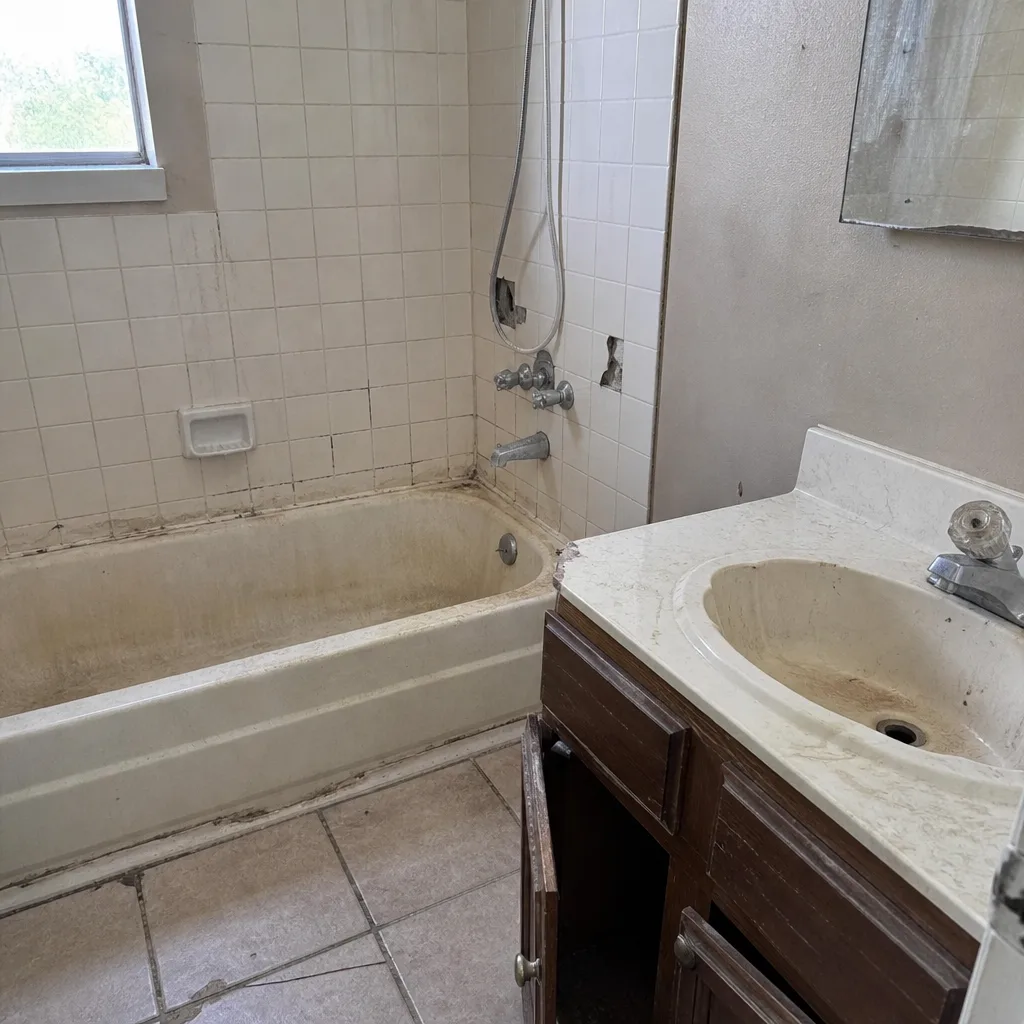
Here’s where the finished product does tell you something, but only if you know what to look for. A tiled shower that looks fine on move-in day can fail within two years if the substrate (the moisture-resistant layer behind the tile) wasn’t installed correctly. In Frisco’s climate, with our hot summers and occasional hard freezes, that failure often shows up faster than it does in milder parts of the country.
Watch for these physical signs when buying a home or evaluating a previous remodel:
- Hollow-sounding tile. Tap the tile with a plastic tool. A dull, hollow sound can mean the tile isn’t fully bonded to the substrate. That’s a tear-out, not a repair.
- Grout cracking in a consistent pattern. Random hairline cracks happen. A grid of cracks that follows the grout lines usually means movement, which usually means the substrate wasn’t properly secured or the cement board wasn’t installed to spec.
- Soft or discolored drywall below tile. Run your hand along the baseboard on the opposite side of a tiled shower wall. Any softness, bubbling, or discoloration is a sign the waterproofing behind the tile is failing.
- Tile lippage you can feel. If one tile sits higher than the next and you can feel the edge with your fingertip, the substrate may not be flat. Lippage over 1/16 inch on a floor tile is a warning sign, not a cosmetic issue.
- Doors that won’t close after a remodel. In Frisco homes with slab-on-grade foundations and our expansive clay soils, a door that sticks after a remodel can indicate a structural shift, not just humidity. Worth getting checked before you assume it’s the weather.
Most of these signs cost nothing to check. They’re the reason a pre-remodel inspection and a careful walkthrough of any recently purchased home are worth the time. For more on how we approach tile and substrate work in a proper remodel, see our guide to Bathroom Remodeling in Frisco.
Change Orders vs. Scope Creep: How to Tell Them Apart
Change orders are normal, and a healthy remodeling project usually has at least one. The homeowner decides to move a light, upgrade a fixture, or add a second cabinet run. The contractor prices the change, both parties sign, and the job adjusts. That’s a legitimate change order, and it’s how honest projects run.
Scope creep is different. Scope creep is a price increase that appears after the homeowner is committed, with no written documentation and no opportunity to say no. The tell is usually in the framing. A legitimate change order comes with a written document that includes:
- The specific change, described in plain language.
- The dollar amount, with line-item detail for labor and materials.
- The schedule impact (how many days this adds, if any).
- A signature line for both the homeowner and the contractor.
- A clear statement that the original contract stays in effect for everything not on the change order.
If a contractor tells you after demo day that “we found something and it’s going to be another $6,000,” ask for the written change order before any additional work continues. If they can’t produce one, that’s your warning sign. If the answer to “what was in the original scope” is hazy, that’s the earlier warning sign you missed.
The reason written pricing matters so much here is that it removes the space where scope creep lives. When the price on day one is the price on the invoice, a change order has to be a real, documented decision rather than a quiet adjustment buried in the final bill.
Why a Written Guarantee Filters Bad Contractors
A guarantee is not just a customer service feature. It’s a filter. A contractor who is willing to put a 365-day fix-it promise in writing is telling you something specific about their confidence in their crew, their materials, and their process. A contractor who won’t is telling you the same thing, only louder.
Here’s what a real written guarantee does for you:
- It puts the cost of failure on the contractor. A 365-day Done Right Promise means if the work fails inside the guarantee period, the contractor comes back and fixes it at no charge. That’s a real financial commitment, and only a company confident in its work can carry it.
- It rules out the drive-by operator. A crew that plans to be in another market by next quarter can’t offer a fixed guarantee period. A company that intends to answer the phone in 10 months can.
- It covers the free return visit. A clear guarantee states that if a repair fails, the return visit is free. No service call fee, no re-inspection charge, no “we’ll need to send someone out” followed by an invoice.
- It layers with manufacturer warranties. When you install a product like Cambria quartz, the material carries its own lifetime warranty. The contractor’s guarantee layers on top of that, so the homeowner isn’t left holding two separate claims when something goes wrong.
Ask for the guarantee in writing before you sign the contract. Read it. Confirm what’s covered, what isn’t, and how long it lasts. Any company unwilling to hand that document to you is signaling a lack of confidence in the work.
Frisco-Specific Signs the Job Is Going Sideways
Some warning signs show up in every city. Others are specific to Frisco, and they’re the ones homeowners most often miss because they’re hard to spot from the outside of a job. Here’s what we watch for in Frisco specifically.
Every municipality runs permits differently, and a contractor who doesn’t know the local process will show it. If your contractor asks you to pull the permit yourself, that’s a warning sign. Permits belong to the contractor running the job. If they can’t answer basic questions about the local inspection process, they’re not working in Frisco enough to know it.
Frisco’s climate adds its own signals. Our hot summers put real stress on exterior materials, especially siding. James Hardie fiber cement siding handles the heat better than cheaper alternatives, but only if it’s installed with proper clearances and flashing. A remodel that skimped on those details often shows up as moisture stains on interior drywall about 18 months later.
Frisco’s newer neighborhoods and its established ones also behave differently. In newer homes, the tell-tale is often a remodel that ignored original structural details, especially around load-bearing walls. In older Frisco neighborhoods, it’s often an addition stacked on a previous renovation without checking the foundation. Both show up as doors that won’t close, cracks near corners, or a floor that feels uneven underfoot.
If you want a sense of how a properly managed Frisco project runs from start to finish, see our guide to General Contractor in Frisco. Every job we run starts with a written price and a written guarantee, so the homeowner can see exactly what the scope covers before the cabinets come out.
Common Mistakes to Avoid
- Hiring on price alone. The lowest bid is often the one that balloons the fastest. A written scope with line-item pricing is the only honest comparison, and it lets you see whether the low number was real or a placeholder for later change orders.
- Skipping the reference calls. Ask for two recent references and actually call them. Ask what the contractor did when something went wrong mid-job, not just whether they finished on time.
- Paying too much upfront. In Frisco, a sensible deposit covers initial material orders, not the bulk of the job. A contractor who needs half the job cost in cash before the first truck arrives is a contractor to walk away from.
- Assuming the permit isn’t needed. Most kitchen and bathroom remodels in Frisco that move plumbing, electrical, or structure require a permit. Skipping it saves the contractor a fee and costs you at resale.
- Accepting a verbal scope in a text message. Text exchanges are easy to edit, easy to misread, and impossible to enforce. Get the scope in a written contract with a signature line.
- Ignoring the substrate question. Tile looks identical whether it’s installed over proper cement board or over drywall. Ask what’s going behind the tile before work starts, and get the answer in writing.
- Skipping the guarantee review. Read the guarantee before you sign, not after something fails. Confirm what’s covered, how long it lasts, and how the free return visit works.
When to Call a Professional
Some warning signs are cosmetic and worth a weekend of your own time. Others need a trained eye before they cost more than they need to. Call a professional if you’re seeing any of these:
Grout cracking in a consistent pattern across a tile floor or shower wall, especially if it’s paired with soft drywall on the opposite side. Tile that sounds hollow when tapped, or a floor that feels uneven. A door that won’t close after a remodel, or cracks near a door frame or corner that keep returning after repair. Work in your home that was clearly done without a permit, especially plumbing or electrical. And any time you’re planning a remodel and the contractor’s proposal shows even two of the pre-contract flags above.
Penhallow Remodeling Frisco offers free estimates in Frisco. Every one comes with a written price, a written scope, and a written 365-day guarantee before work starts. Call (833) 954-5757 to schedule yours. A live person answers 24/7, and you’ll get a real arrival window rather than a callback somewhere in the afternoon. If you want to see how we approach full-scope jobs, our Kitchen Remodeling in Frisco page lays out the process from first walkthrough to final inspection. You can also start at the Penhallow Remodeling Frisco home page for an overview of how we work.
See the difference
 Before
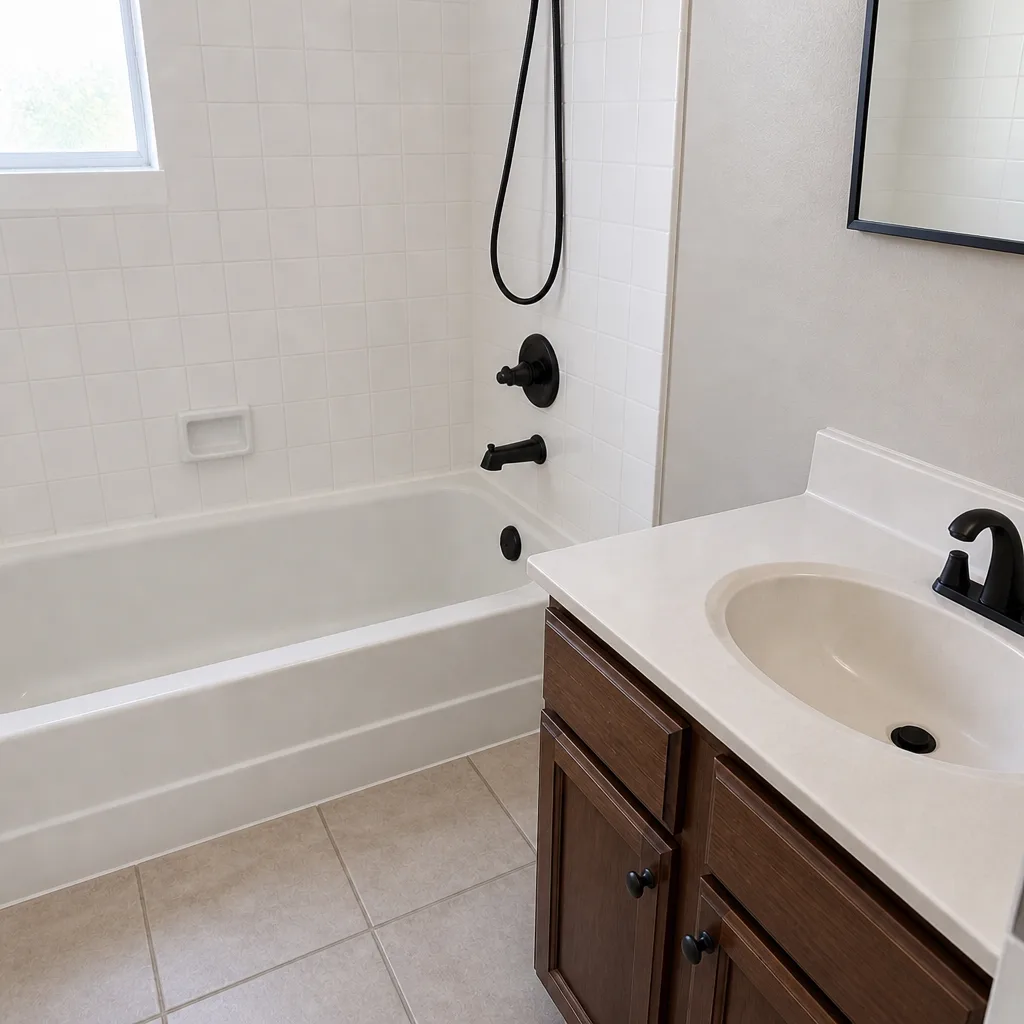 After
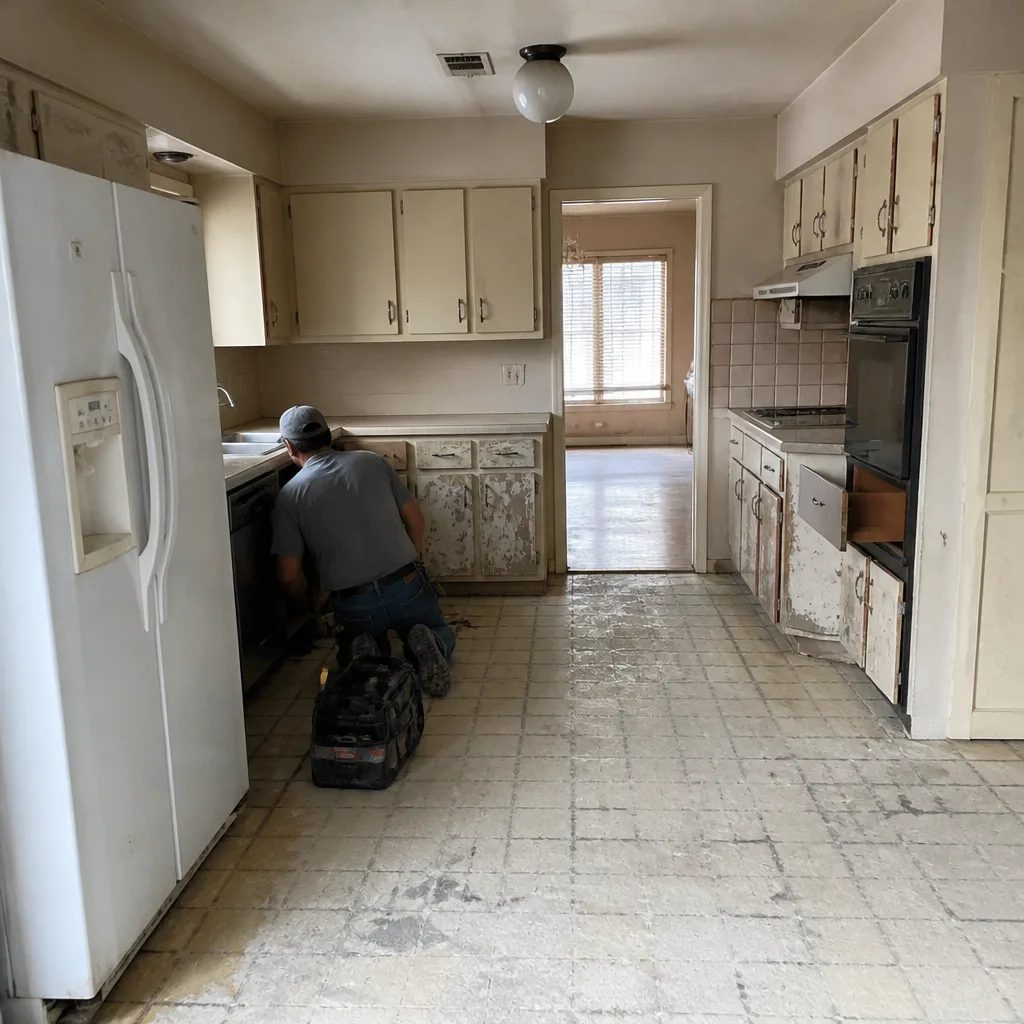 Before
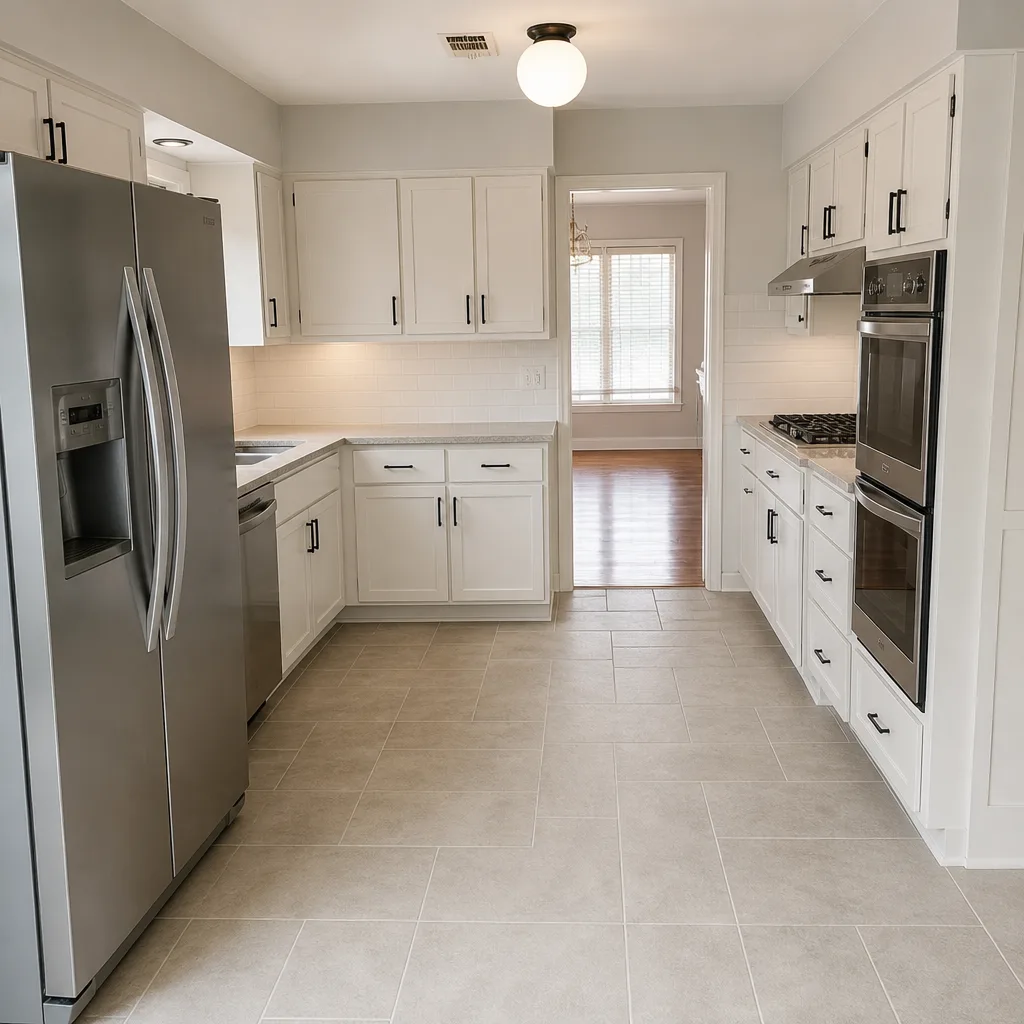 After
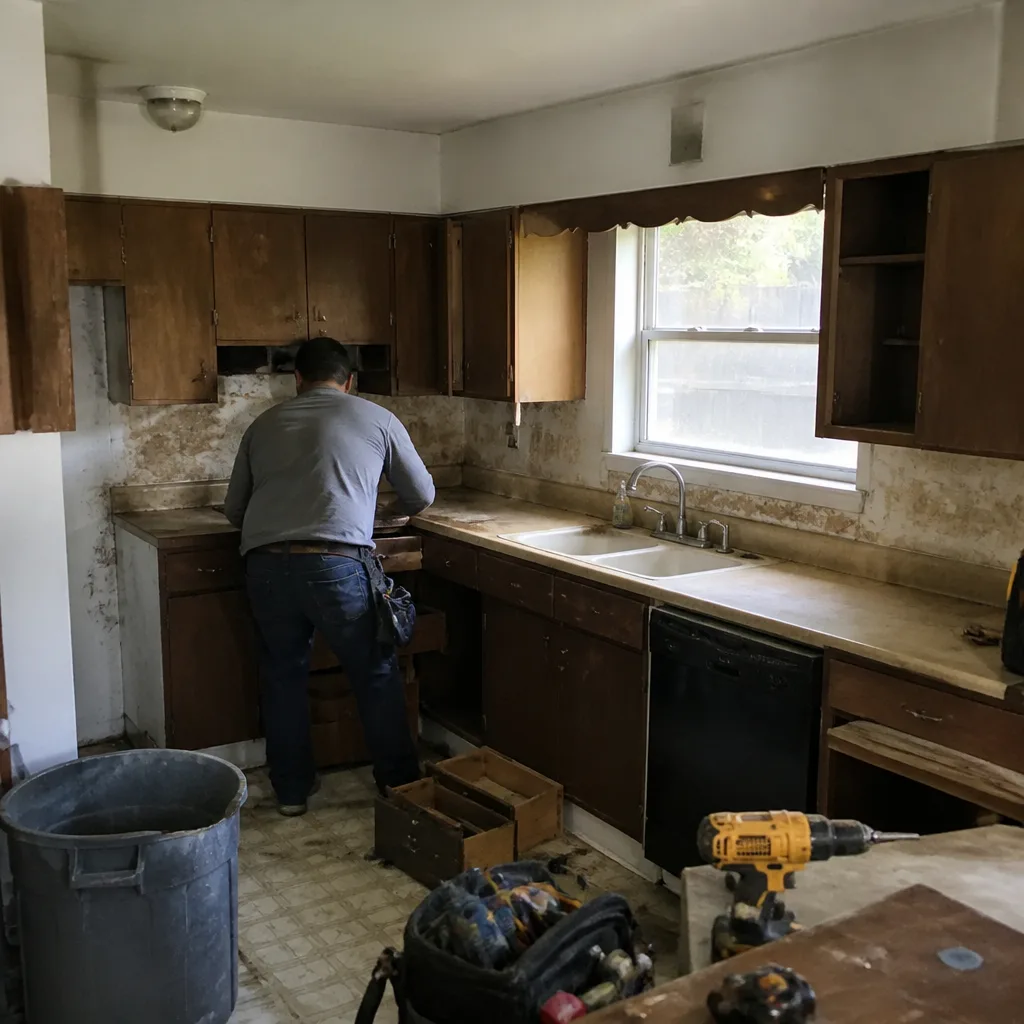 Before
 After
Frequently Asked Questions

A Frisco kitchen remodel typically runs $18,000 to $55,000 depending on layout, cabinet line, and countertop material. A painted KraftMaid cabinet line with a Silestone countertop and modest layout changes lands near the low end. Custom cabinetry, Cambria quartz, an island addition, and moving a wall or plumbing push the number toward the top. Every project starts with a written, line-item price so the number you see on day one is the number on the invoice. Call (833) 954-5757 for an exact quote; estimates are free.
Not unless you approve a written change order. The price on day one should be the price on the invoice, and any adjustment should come to you as a written document with line-item detail and a signature line. If a contractor tells you midway through that the price is going up “because of what we found,” ask for the change order before any additional work continues. If they can’t produce one, that’s a warning sign. Call (833) 954-5757 to schedule a free estimate.
The contractor pulls the permits. Permits belong to the company running the job, and the permit card should be posted at your site before work begins. In Frisco, most kitchen and bathroom remodels that touch plumbing, electrical, or structural elements require a permit, and the contractor should know the local inspection process without checking with a supervisor. If a contractor asks you to pull the permit yourself, that’s a pre-contract warning sign worth taking seriously.
A standard Frisco bathroom remodel typically takes three to six weeks, depending on the tile scope, whether plumbing moves, and material lead times. A shower-only refresh with no plumbing changes runs closer to three weeks; a full gut with a relocated shower and new vanity plumbing runs toward six. The schedule should be in the written scope before work starts, along with a defined arrival window. Call (833) 954-5757 for a free estimate and a written timeline.
Substrate is the layer behind your tile, and it matters because tile failure usually starts there rather than in the tile itself. Cement board is the standard moisture-resistant substrate for showers and bathroom floors; drywall is not. If the substrate wasn’t installed correctly, the tile can look perfect for a year and then crack in a pattern, sound hollow when tapped, or leak into the drywall behind the wall. Ask what’s going in before work starts, and get it written into the scope.
A written guarantee should state exactly what’s covered, how long it lasts, and what happens if something fails inside that window. Any guarantee worth signing will say the company returns and fixes the failure at no charge, and that the return visit is free. Ours is a 365-day Done Right Promise, in writing on every project, alongside any manufacturer warranty that comes with the materials. Read it before you sign. A contractor who won’t hand you that document is signaling something about their confidence in their work. Call (833) 954-5757 for a free estimate.
The Bottom Line
Most home remodeling disasters are visible before the first hammer swing. Verbal estimates, missing written scopes, pressure to sign same-day, big cash deposits, work without a permit, and a contractor who won’t put a guarantee in writing are all signals you can read in the first conversation. Physical warning signs in a finished home (hollow tile, consistent grout cracks, soft drywall) often trace back to one of those early signals ignored. The homeowners who avoid the worst remodeling outcomes aren’t luckier than the ones who don’t. They just ask for the price and the guarantee in writing before they sign, and they walk when they don’t get them. If you’re planning a project in Frisco, start there. Every project we run under the Penhallow Remodeling Frisco home standard starts with a written price, a written scope, and a written 365-day guarantee before any work begins.
Written by the team at Penhallow Remodeling Frisco.