Last updated November 18, 2026






Free written scope consultation - allowances, timeline, and change-order rules on paper before a single trade is scheduled
How Long Does Home Remodeling Take? Timelines and What to Expect
The most common remodeling complaint isn’t cost overruns. It’s that the job took twice as long as expected. In most of those cases, the written contract had no timeline at all, just a start date and a vague finish. That gap is where frustration lives. This guide shows you what a real remodeling schedule looks like from demo to punch list, why Frisco’s summer heat changes certain finish work, which material selections quietly add weeks before anyone lifts a tool, and the exact questions that turn an optimistic handshake into an enforceable timeline. You’ll learn to read a schedule the way a contractor does.
Quick Answer
A bathroom remodel typically takes 3 to 6 weeks of calendar time; a kitchen runs 6 to 12 weeks; a whole-home remodel can run 4 to 9 months. The build itself is only part of the clock. Material lead times, decision deadlines, and inspection windows often account for 30 to 50 percent of the total. A written schedule that counts all three is what keeps a project on track.
Styles & brands we work with
- Kitchen remodeling
- Bathroom remodeling
- Home additions & ADU
- Roofing
- Windows & doors
- Driveway & pavers
- Fence
Table of Contents
- The Two Clocks: Why Timelines Get Missed
- Phase-by-Phase Breakdown: Where Your Project Stands
- Calendar Days vs. Work Days (And What Frisco Heat Does to Both)
- Material Lead Times: What Adds Weeks Before a Tool Is Lifted
- What a Written Arrival Window Really Means for Reliability
- Questions to Ask Before You Sign
- What an Enforceable Written Schedule Should Contain
- Common Mistakes to Avoid
The Two Clocks: Why Timelines Get Missed
Every remodeling project runs on two clocks, and most people only watch one. The first is the build clock: demo, framing, rough-in, inspections, finishes. The second is the decision clock: the day you choose a tile, the day the cabinet order is actually placed, the day the inspector becomes available. In our experience, projects don’t fall behind on the build clock. They fall behind on the decision clock, and by the time anyone notices, the build clock is waiting.
Here’s the concrete version. A homeowner spends three weekends comparing tile in Frisco showrooms. They place the order, then learn the tile is a special order with an eight-week lead time. The build crew is ready in week two. They wait six more weeks before setting a single piece. The job “took six weeks longer than planned,” but nobody was slow. The schedule simply never accounted for a decision that was made on a different timeline than demo.
How to align both clocks
The fix is to put decision dates on paper alongside build dates. Before work starts, a usable schedule should contain:
- Selection deadlines. The date by which each material must be chosen, tied to its lead time.
- Order-placement dates. Not “selected by” but “ordered by,” because an unbought tile is an unstoppable delay.
- Inspection windows. Rough-in inspections in Frisco can add a handful of business days, and a missed window can push a crew to another job.
- Build-day counts per phase. So you can see when the job is genuinely moving and when it’s sitting still.
When a project drifts, the written schedule tells you which clock slipped. That’s the difference between a calm conversation and a confrontation at week nine.
Phase-by-Phase Breakdown: Where Your Project Stands
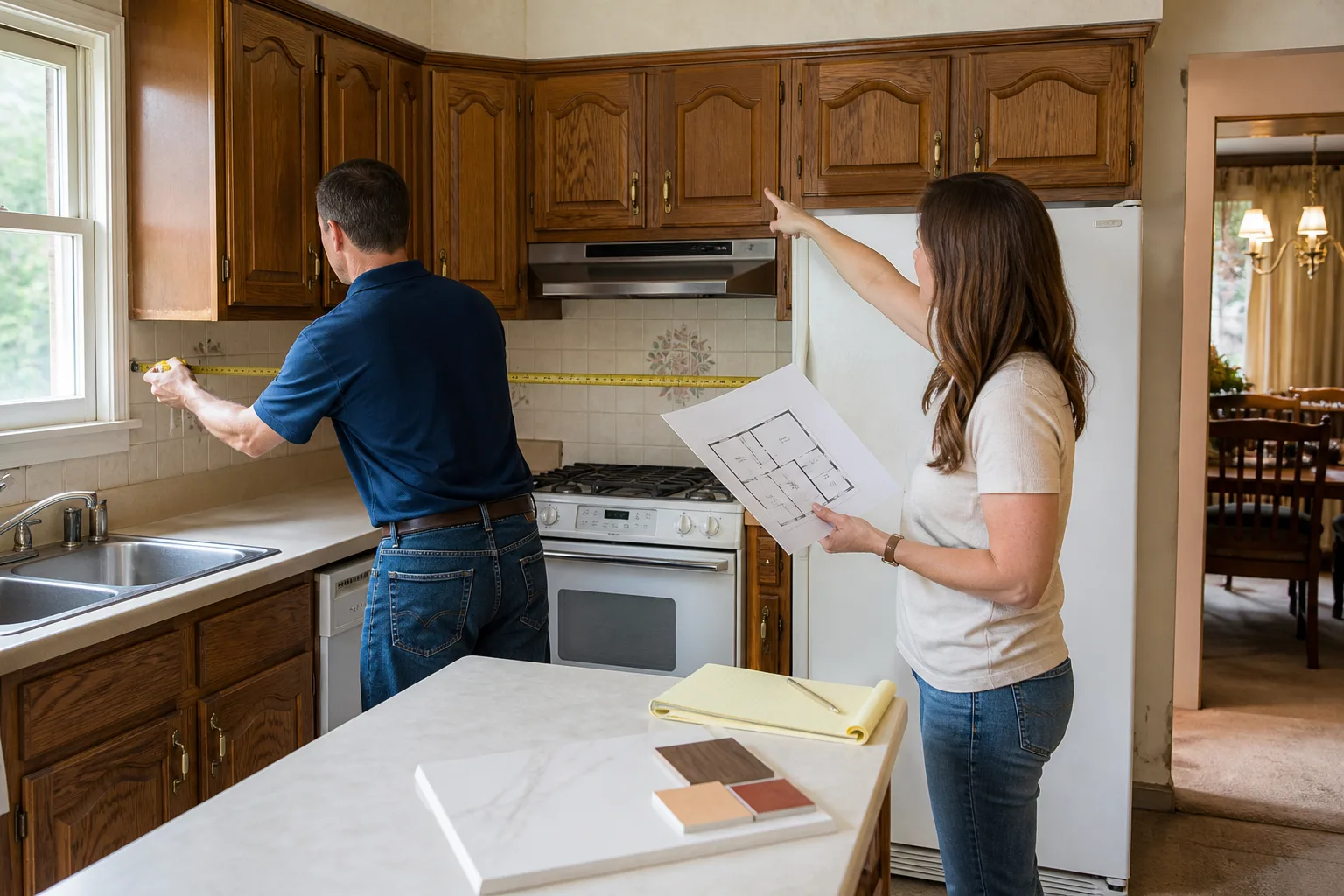
Most projects follow the same sequence. If you know roughly how many work days each phase takes, you can tell whether your crew is on track or stalled. The ranges below are typical for a standard kitchen or full bathroom in Frisco.
- Demo (2 – 4 work days). Removing cabinets, tile, drywall and fixtures. Short but disruptive. This is where surprises live: a hidden water leak, outdated wiring behind the wall, a floor that isn’t level.
- Rough work (3 – 7 work days). Plumbing and electrical get relocated inside the walls before any surface goes back up. This is also where you’ll want to know if any changes to the room’s footprint are in play.
- Inspections (3 – 10 calendar days). Rough-in inspection happens before walls close. Scheduling can add days, and this is the phase most likely to stall a project that looked “ahead of schedule” in week one.
- Substrate and backer (2 – 4 work days). Cement board or a similar substrate (the moisture-resistant layer behind your tile) goes up and gets taped before tile can be set. Slow here and every finish phase waits.
- Tile and flooring (4 – 8 work days). Setting tile, grout, cure time. Heat-sensitive work that we’ll come back to.
- Cabinets and fixtures (3 – 6 work days). Installing cabinets, countertops, plumbing fixtures, lighting. Cabinet install often waits on the cabinet delivery more than the crew.
- Finish work (3 – 7 work days). Paint, trim, hardware, backsplash, final plumbing and electrical connections.
- Punch list (2 – 5 work days). Walking the job together, logging items that need correction, and closing them out. Never skip this phase in the written schedule. It’s where the 365-Day Done Right Promise starts.
A standard full bathroom built to this sequence lands in the 3-to-6-week range. A kitchen with new cabinets, counters and flooring runs 6 to 12 weeks. Those numbers only hold if the decision clock kept pace with the build clock.
Calendar Days vs. Work Days (And What Frisco Heat Does to Both)
A “work day” is a day a crew is on site and building. A “calendar day” is every day on the calendar, including weekends, holidays, inspection waits and material deliveries. A 30-work-day kitchen remodel spreads across 45 to 60 calendar days once you account for the gaps. When a contractor quotes “30 days,” ask which clock they mean. The answer changes the schedule by three or four weeks.
The Frisco heat factor
This is the piece most general schedules miss entirely. Frisco summers push attic temperatures well past 110°F, and interior work in a home without functioning HVAC can be brutal. Some finishes are genuinely temperature-sensitive:
- Flooring adhesives and grout need the manufacturer’s stated cure temperature. Above roughly 90°F ambient, some adhesives cure too fast, which can weaken the bond. Crews often shift flooring work to early morning.
- Paint can flash dry in extreme heat, leaving brush marks where a smooth finish was planned. This shows up as “paint took three days instead of two.”
- Cabinet installs in an unvented, unconditioned room can be a two-person-plus-fan job that moves slower than the same job in spring.
None of this is an excuse. It’s physics. A schedule that ignores Frisco’s climate is a schedule written in an office, not on a job site. In our experience, the right call is to plan finish work around temperature and to build a buffer into the last two phases rather than pretend the heat won’t hit.
Material Lead Times: What Adds Weeks Before a Tool Is Lifted
In 2024 and 2025, material lead times have normalized from their pandemic highs, but “normalized” doesn’t mean “instant.” If you want to keep your project on schedule, the materials below are the ones to choose first. The clock starts the moment money is on the order, not the moment you say “I like that one.”
- Cabinets (4 – 10 weeks). Semi-custom lines like KraftMaid and Wellborn sit in this range. That’s the single longest wait in most kitchens, and it’s why cabinet selection should happen before demo day, not after.
- Countertops (1 – 3 weeks). Cambria, Silestone and Caesarstone quartz typically measure and template after the cabinets are set, so that week or so happens during the build, not before it. But if you’ve chosen a slab that has to be ordered in, add weeks.
- Tile (1 – 8 weeks). In-stock tile ships fast. Special-order tile, large-format or hand-made tile, and anything that has to be cut and shipped together can run weeks longer. This is the most common surprise delay in Frisco bathrooms we see.
- Specialty fixtures (1 – 6 weeks). A standard Delta or Moen faucet is on the shelf. A specific Toto toilet, an American Standard tub or a Blanco sink in a particular finish can be a special order. If your design calls for a specific model, confirm the lead time before you sign.
The takeaway: the cheapest-looking decision can be the most expensive one on schedule. Choosing in-stock over special-order for a tile or fixture can save a month. Choosing a specific custom cabinet can cost you six weeks of waiting on a finished room you can’t use yet.
What a Written Arrival Window Really Means for Reliability
A written arrival window is more than a courtesy text. It’s a scheduling commitment, and it tells you something real about how the contractor manages their calendar. A crew that gives you a specific window in writing, say “crew arrives between 7:30 and 9:00 a.m. on the 14th,” and then again on the next phase, has to deliberately plan around other jobs and inspection times to make it work. A crew that says “sometime early next week” has no window to miss, and no schedule to keep.
The bigger problem is double-booking. When a contractor schedules loosely, they can promise the same crew to two homes on the same day. Whoever is louder gets the crew, and the other project stalls. A written window creates accountability on both sides. It also lets you plan your own life: when to move the car, when to be home for the inspector, whether your family can use the kitchen that week.
The Kingswell Way put that principle into a sentence: say the price before the work, show up in the window we gave, leave the place cleaner than we found it. That’s not marketing. It’s the operating logic that makes an arrival window mean something. Every Penhallow Remodeling Frisco project follows it. If you’re weighing contractors, ask each one what happens when they miss a window. A contractor with a written policy has an answer. A contractor who shrugs has told you everything you need to know.
Questions to Ask Before You Sign
This is the single most effective way to lock in a realistic timeline instead of an optimistic one. Ask before signing, when you still have choices.
- “How many work days is each phase, and how did you calculate that?” You want a phase-by-phase breakdown, not a single total. If a contractor says “about eight weeks” without a breakdown, they haven’t planned the job yet.
- “What’s the longest lead-time item, and what date do I need to order it by?” The answer tells you which of your selection decisions is actually the deadline.
- “What happens if material arrives late?” A good answer describes a plan: resequencing phases, keeping crews productive, keeping you informed. A bad answer is “that won’t happen.”
- “How do you build inspection windows into the schedule?” Rough-in inspection timing in Frisco varies. A serious contractor plans around it; an unplanned one loses days waiting.
- “What does the written schedule say happens if we miss a decision deadline?” This protects both sides. When you miss a deadline, the schedule should show how the finish date moves, not force a fight at week nine.
- “Will I get a written schedule, and will it be in the contract?” A timeline in an email is helpful. A timeline in the signed contract is enforceable.
If you’d like a written price and a written schedule before you commit, our General Contractor in Frisco team will walk you through each phase in person and hand you the numbers in writing. Estimates are free, and the number you see on day one is the number on the invoice.
What an Enforceable Written Schedule Should Contain
“Enforceable” doesn’t necessarily mean legally contested. It means the schedule has enough detail that both sides know what was promised and can point to it when things slip. Here’s what a usable schedule contains, and what it does not.
- Start date and a finish date in calendar terms. Not “six to eight weeks.” A specific target date and the phase that anchors it.
- Work-day counts for each phase. Demo, rough, inspections, substrate, finishes, punch list. If a phase doesn’t have a number, it can’t be tracked.
- Selection and order-placement deadlines. With the specific lead time attached to each item. This is the piece that most contracts omit entirely.
- Inspection windows at the phase level. Rough-in and final, with an allowance for the days the inspector needs.
- A written change-order process. Any scope change gets a written price and a written time impact before the work happens. This is how you avoid the “price ballooned after demo day” problem that so many homeowners have already lived through.
- A punch-list and guarantee closeout. The final walkthrough, the written list, the correction dates, and the written guarantee that starts when the job closes.
If your contractor can’t produce a schedule with these elements, you don’t have a timeline. You have a start date and a vague finish. That’s the pattern behind most of the complaints homeowners bring to the next contractor. We’ve walked into enough Frisco kitchens mid-project to see it firsthand.
Common Mistakes to Avoid
- Choosing materials after demo. Demo day is not the day to begin tile research. Every week of selection after the walls open is a week the crew waits for tile that hasn’t been ordered.
- Comparing “30 days” to “eight weeks” as if they mean the same thing. One is a work-day count, the other a calendar range. Convert both to calendar days before you compare bids.
- Ignoring Frisco’s summer heat in the finish schedule. Planning tile, adhesive, flooring and paint as if the attic weren’t hot and the house weren’t unconditioned leads to slower work and weaker cures. Build the buffer in.
- Letting the contractor skip the written schedule. A verbal timeline and a written price don’t match. When the job runs late, the verbal timeline leaves you nothing to hold anyone to.
- Changing scope mid-build without a written change order. Every “while you’re in there” is a price and a time re-change. Get it in writing before the crew touches it, and the change order stays clean.
- Missing selection deadlines without adjusting the schedule. Life happens, and missing a selection deadline is common. Missing it without updating the finish date is where the fight starts.
- Not asking about the crew. A background-checked, uniformed crew shows up ready to work on the schedule. That matters, and you should ask every contractor how they vet the people who’ll be in your home for weeks.
See the difference
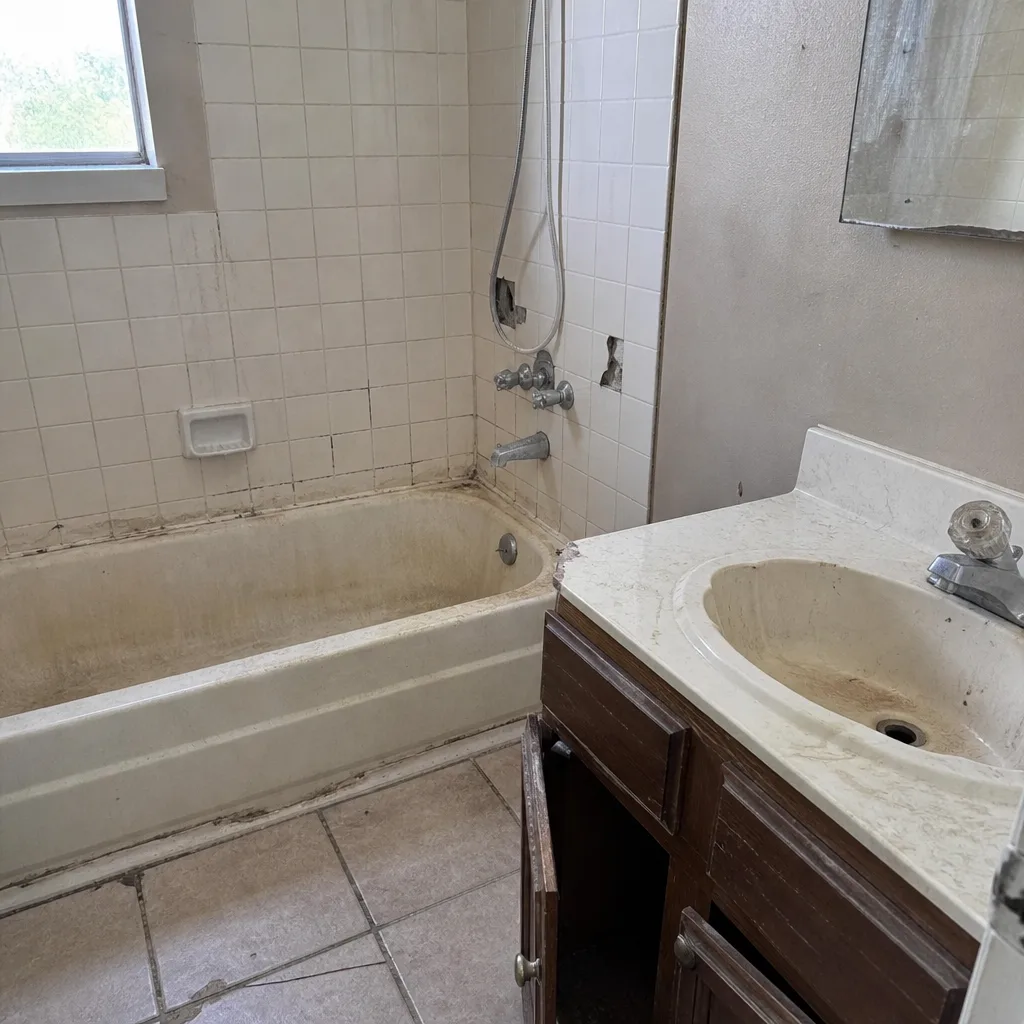 Before
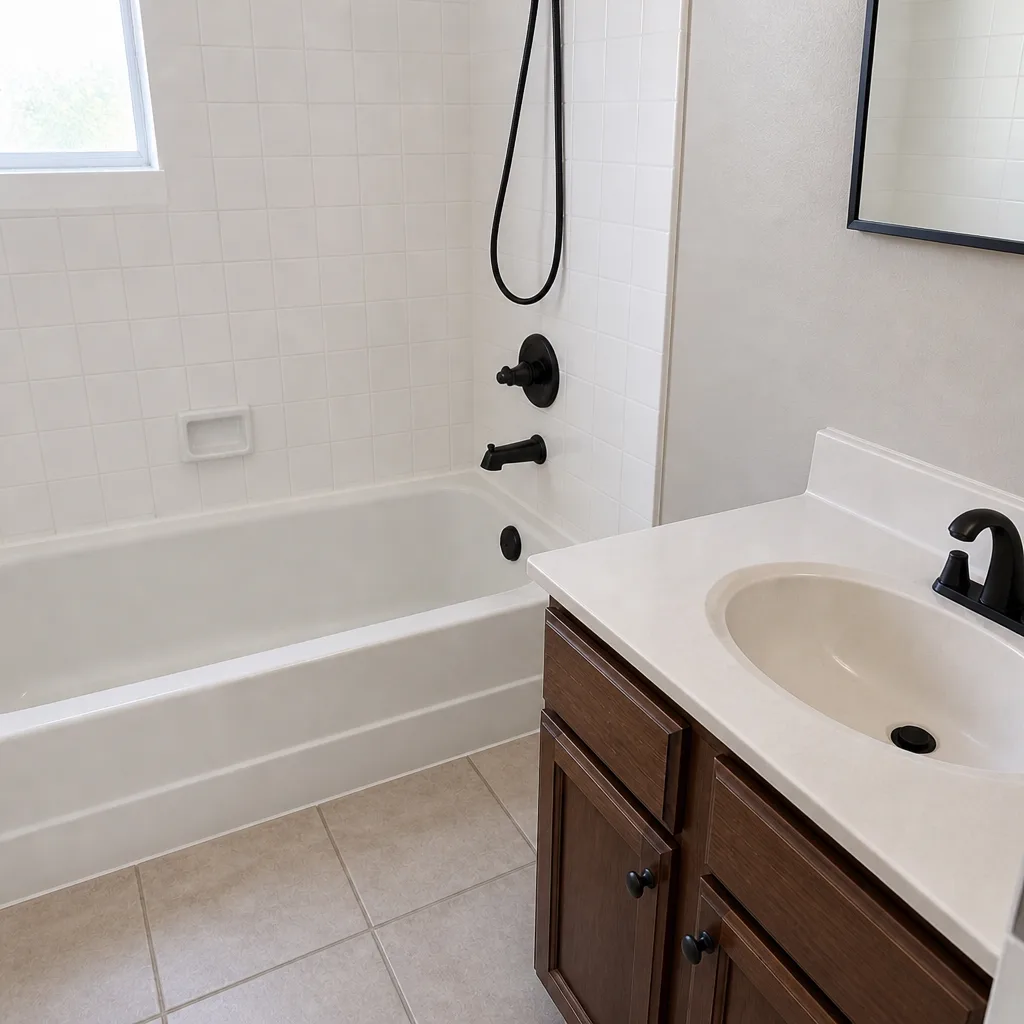 After
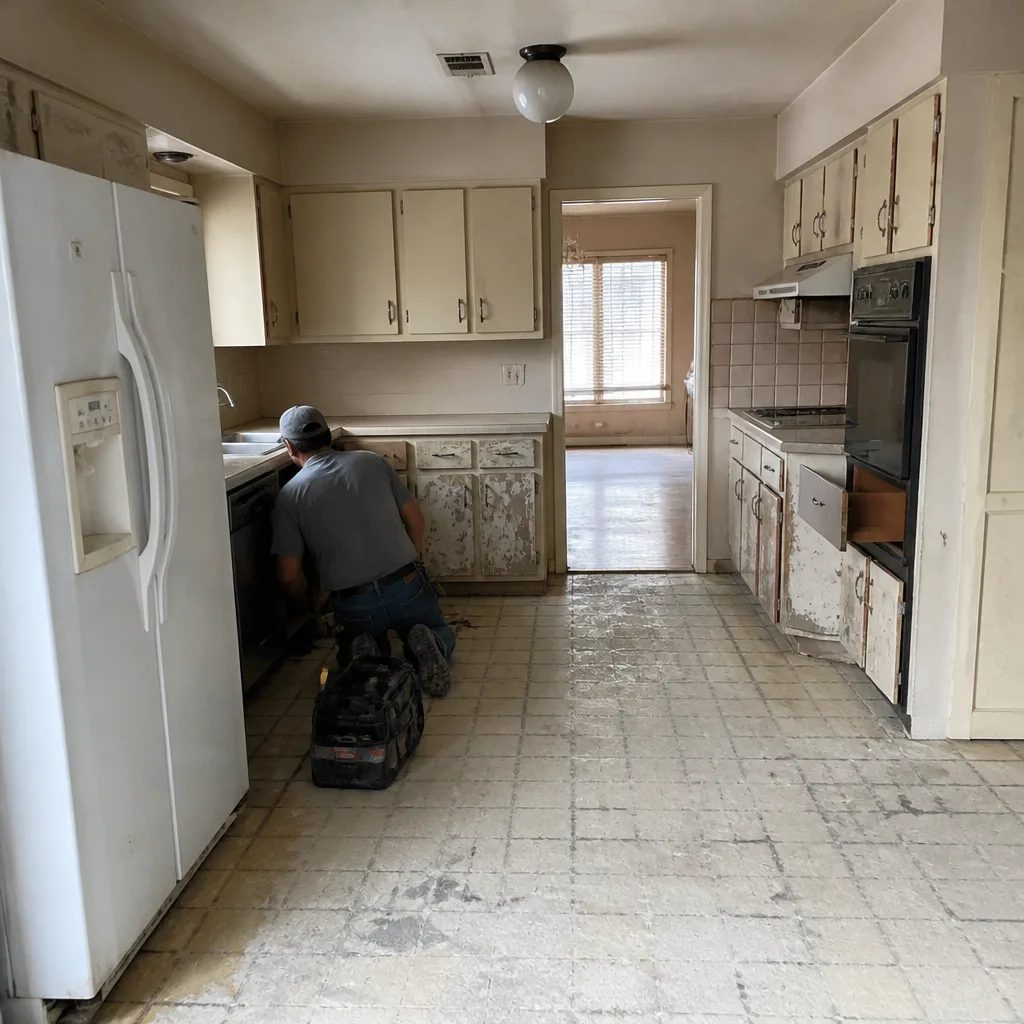 Before
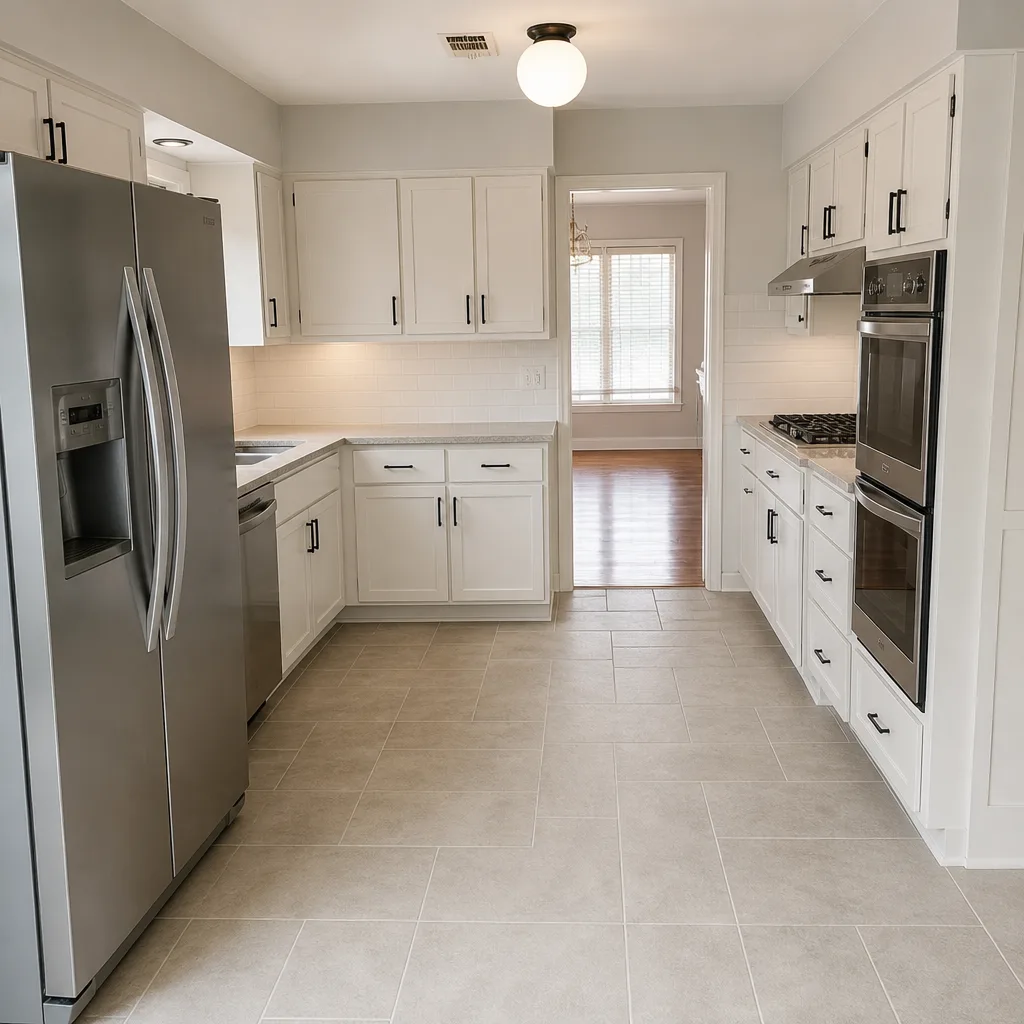 After
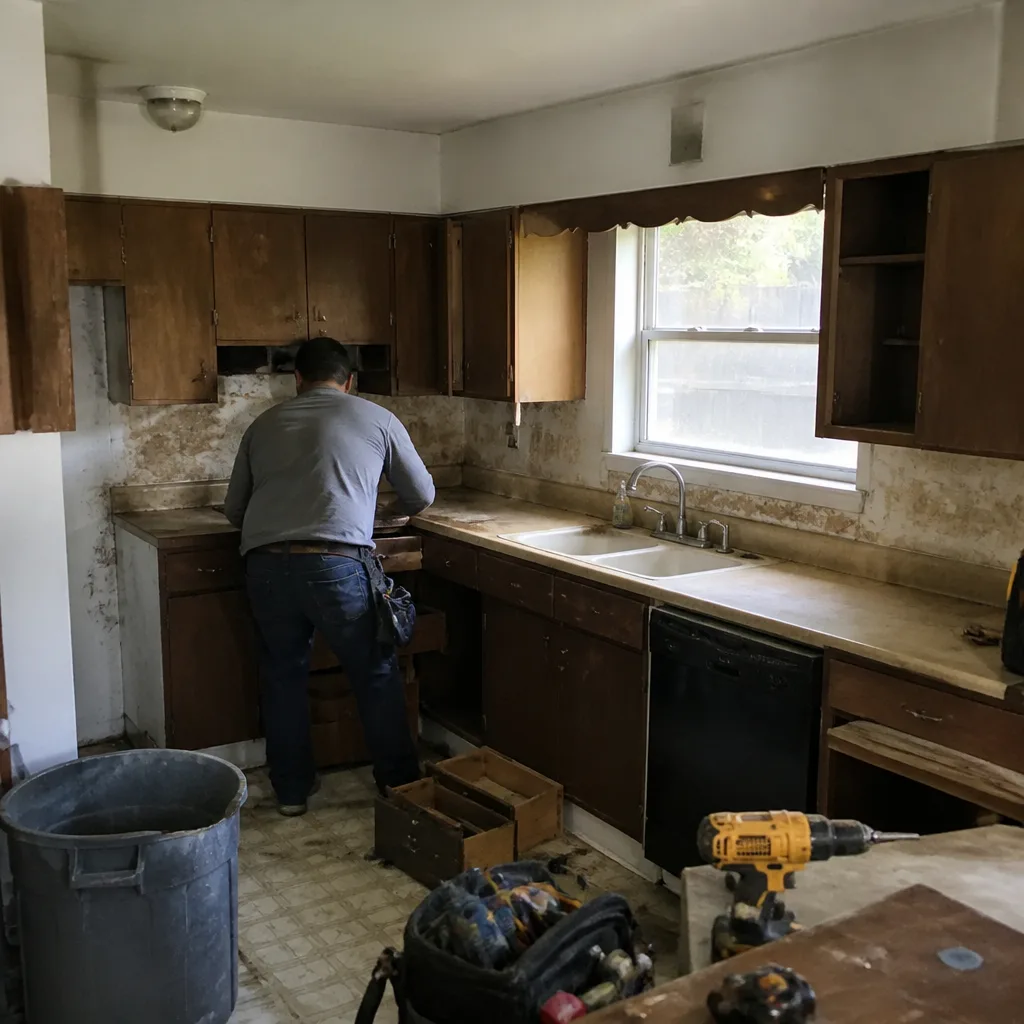 Before
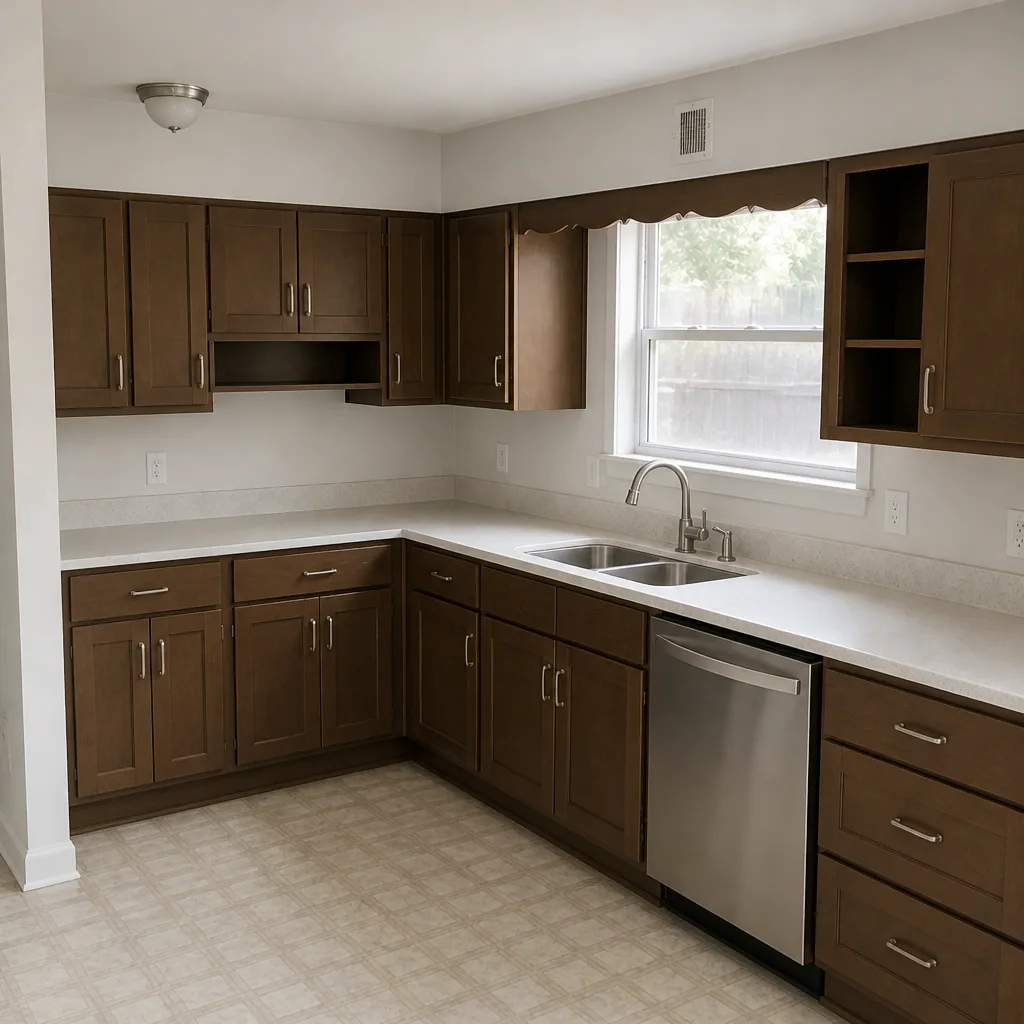 After
When to Call a Professional
Call a remodeling professional when the scope involves moving walls, relocating plumbing or electrical, replacing a load-bearing element, changing a room’s layout, or replacing a kitchen or bathroom end to end. Those jobs carry structural, code and inspection requirements that a weekend project doesn’t, and a misstep in any of them can cost far more than the project. Call sooner rather than later if you’ve already got a start date in mind and haven’t yet identified the long-lead items. If you’ve been burned before by a project that ran long or a price that changed after demo, call us first. Penhallow Remodeling Frisco offers free estimates in Frisco, with a written price and a written schedule before work starts. Call (833) 954-5757 to book yours.
Frequently Asked Questions
A kitchen remodel in Frisco typically takes 6 to 12 weeks of calendar time. Cabinet lead times are the biggest variable: a semi-custom KraftMaid or Wellborn order runs 4 to 10 weeks, and that wait usually happens before demo starts, so choosing cabinets early is the single best way to protect your timeline. Call (833) 954-5757 for a written, phase-by-phase schedule and a free estimate.
A full bathroom remodel usually takes 3 to 6 weeks of calendar time. Tile selection drives most of the variance: in-stock tile is faster, while special-order tile can add several weeks before the substrate phase even starts. Order the tile before demo day and the build phase stays on track. Call (833) 954-5757 for an exact timeline for your bathroom.
A work day is a day a crew is building; a calendar day includes weekends, inspection waits and material deliveries in between. A 30-work-day kitchen spreads across roughly 45 to 60 calendar days. When you compare contractor timelines, convert everything to calendar days, or you’ll be comparing two different schedules. Call (833) 954-5757 if you want a written schedule that counts both clocks.
Your written price should not change unless you approve a written change order. At Penhallow Remodeling Frisco, the number we write before work starts is the number on the invoice, and any scope change is priced in writing before the work happens. Call (833) 954-5757 to see a written price and a written guarantee for your project.
Yes, some finish work slows in summer. Attic temperatures in Frisco can climb past 110°F, and temperature-sensitive work like flooring adhesive, grout and paint may need to be scheduled earlier in the day or planned with extra cure time. A schedule built for Frisco’s climate plans for it; one copied from a template doesn’t. Call (833) 954-5757 for a schedule written for this climate.
Yes. Our Bathroom Remodeling in Frisco and Kitchen Remodeling in Frisco teams pull the permits and coordinate the rough-in and final inspections as part of the written schedule, so inspection windows are on the calendar before demo begins. If you’d like to see how the phases fit together, we’ll walk you through the full schedule in person. Call (833) 954-5757 to schedule your free estimate.
The Bottom Line
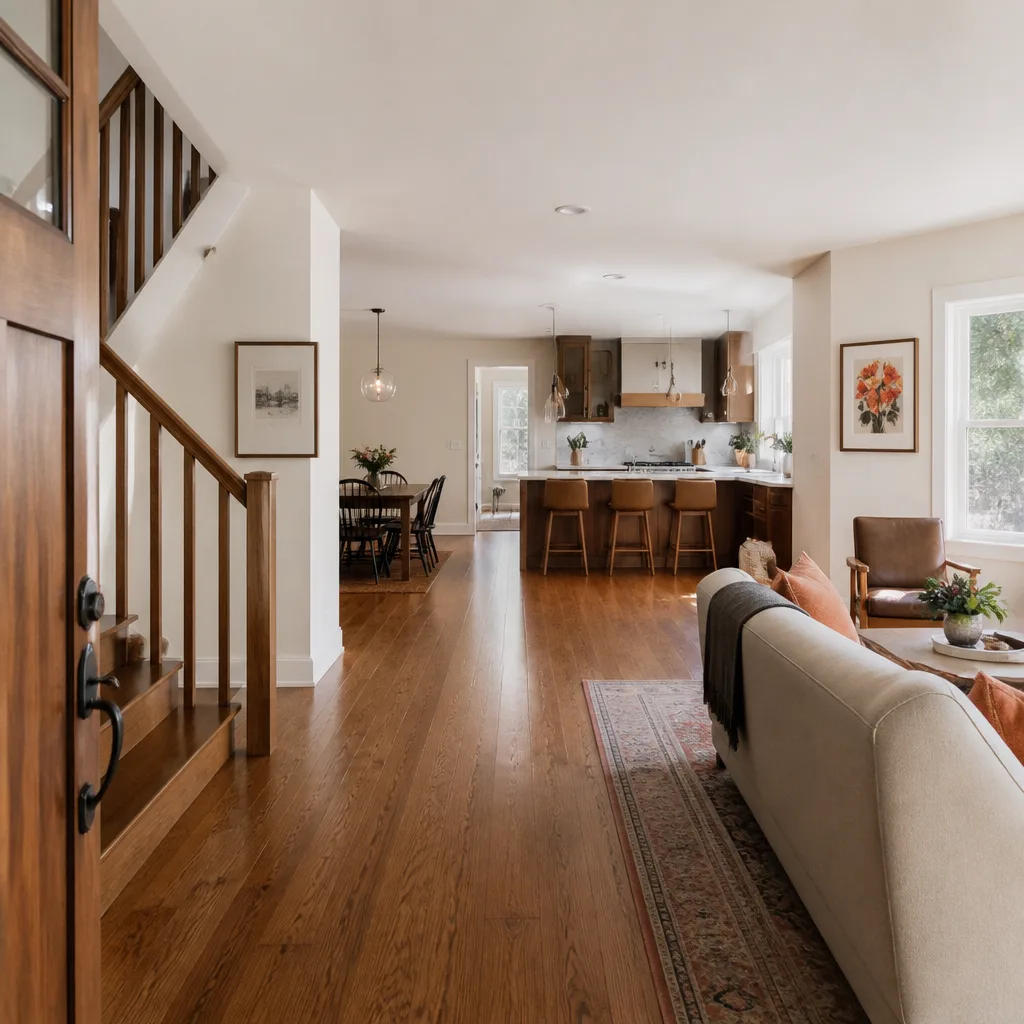
Timelines get missed because homeowners and contractors are counting different things. Align the clocks before you sign, and the whole job changes. Get a written schedule with work-day counts per phase, selection deadlines tied to real lead times, inspection windows, and a firm punch-list closeout. Choose long-lead materials first. Plan Frisco’s summer heat into the finish phases. Ask the questions above and don’t sign without the answers. Then measure progress against the written schedule, not the vague start date. That’s how a project that could have taken twice as long ends on the day it was promised, with a written guarantee to back it. If you’re ready to see the full picture, our Penhallow Remodeling Frisco home page is the place to start. Call (833) 954-5757 for your free estimate, and watch the price and the schedule land in writing before a single cabinet is pulled.
Written by the team at Penhallow Remodeling Frisco.